
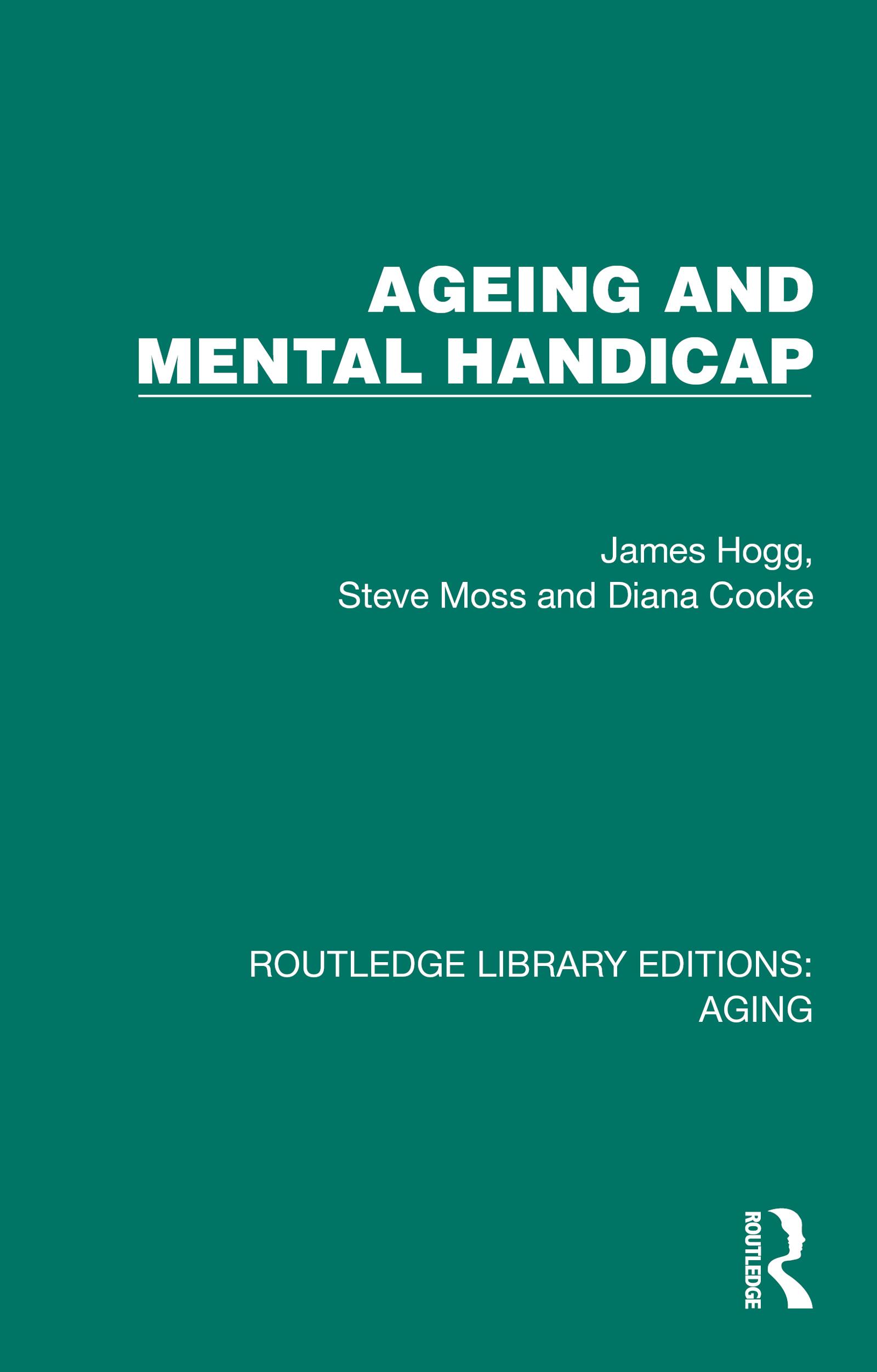
In the 1980s there was growing interest in the topic of ageing and learning disabilities, for two principal reasons. First, the life expectancy of people with learning disabilities had risen significantly over the previous decades and many, once infancy had been survived, could expect a life span similar to that of non-disabled people. Secondly, a growing commitment on the part of the government and service providers to make provision for people with disabilities in the community rather than in institutions, had focused attention on this group.
Originally published in 1988, reissued here with a new foreword, this book was one of the first on this subject. It examines epidemiology and mortality, and medical and psychiatric issues compared with non-disabled older people. It considers how people with learning disabilities change in intellectual and adaptive function with age, the nature of family relationships relevant therapeutic programmes, and policy and the development of services. The book represented a major review of a hitherto neglected topic and would interest gerontologists, psychologists and professional health, social and educational staff concerned with the welfare of older people with learning disabilities.
This book is a re-issue originally published in 1988. The language used is a reflection of its era and no offence is meant by the Publishers to any reader by this re-publication.
Pay easily by card, Klarna, Apple Pay or Google Pay. Not happy? You always have a 14-day money-back guarantee. Read more in our terms. If you have any questions, email us at hello@memmo.org.
Memmo makes studying easier – wherever you are in the world. We bring your course books and smart study tools together in one place: summaries, quizzes, podcasts and flashcards. Plus Ted, your study buddy who answers anything you wonder. Over 50,000 students already study here – built to help you learn faster and stress less.