
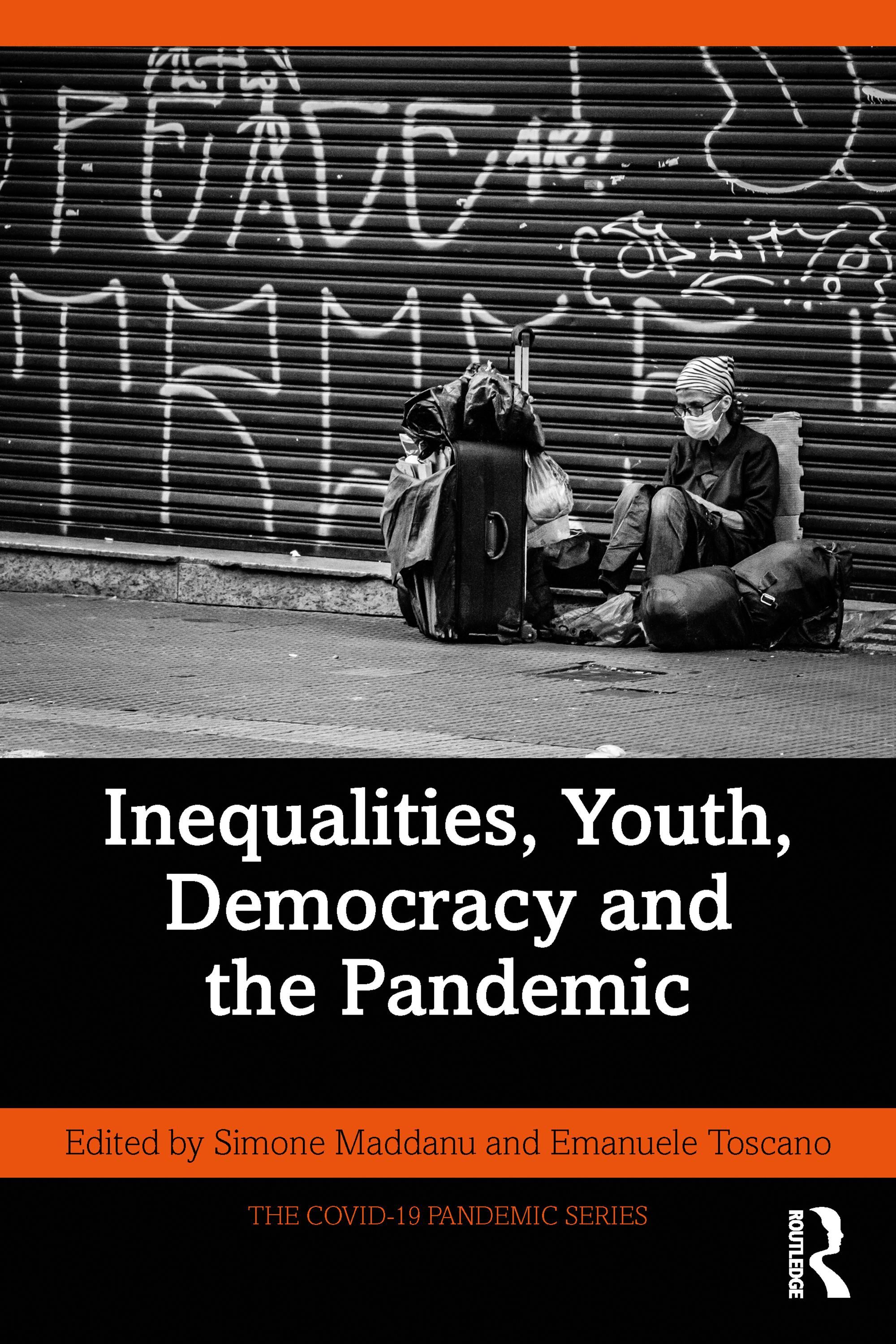
This book brings together studies from various locations to examine the growing social problems that have been brought to the fore by the COVID-19 outbreak. Employing both qualitative, theoretical and quantitative methods, it presents the impact of the pandemic in different settings, shedding light on political and cultural realities around the world. With attention to inequalities rooted in race and ethnicity, economic conditions, gender, disability, and age, it considers different forms of marginalization and examines the ongoing disjunctions that increasingly characterize contemporary democracies from a multilevel perspective.
The book addresses original analyses and approaches from a global perspective on the COVID-19 pandemic, its governance, and its effects in different geographies. These analyses are organized around three main axes: 1) how COVID-19 pandemic worsened social, racial/ethnic, and economic inequalities, including variables such as migration status, gender, and disability; 2) how the pandemic impacted youth and how younger generations cope with public health alarms, and containment measures; 3) how the pandemic posed a challenge to democracy, reshaped the political agenda, and the debate in the public sphere. Contributions from around the world show how local and national issues may overlap on a global scale, laying the foundation for connected sociologies. Based on qualitative as well as quantitative empirical analysis on various categories of individuals and groups, this edited volume reflects on the sociological aspects of current planetary crises which will continue to be at the core of our societies.
A wide-ranging, international volume that focuses on both unexpected social changes and new forms of agency in response to a period of crisis, Inequalities, Youth, Democracy and the Pandemic will appeal to scholars with interests in the sociology of health, social problems and inequalities.
Pay easily by card, Klarna, Apple Pay or Google Pay. Not happy? You always have a 14-day money-back guarantee. Read more in our terms. If you have any questions, email us at hello@memmo.org.
Memmo makes studying easier – wherever you are in the world. We bring your course books and smart study tools together in one place: summaries, quizzes, podcasts and flashcards. Plus Ted, your study buddy who answers anything you wonder. Over 50,000 students already study here – built to help you learn faster and stress less.