
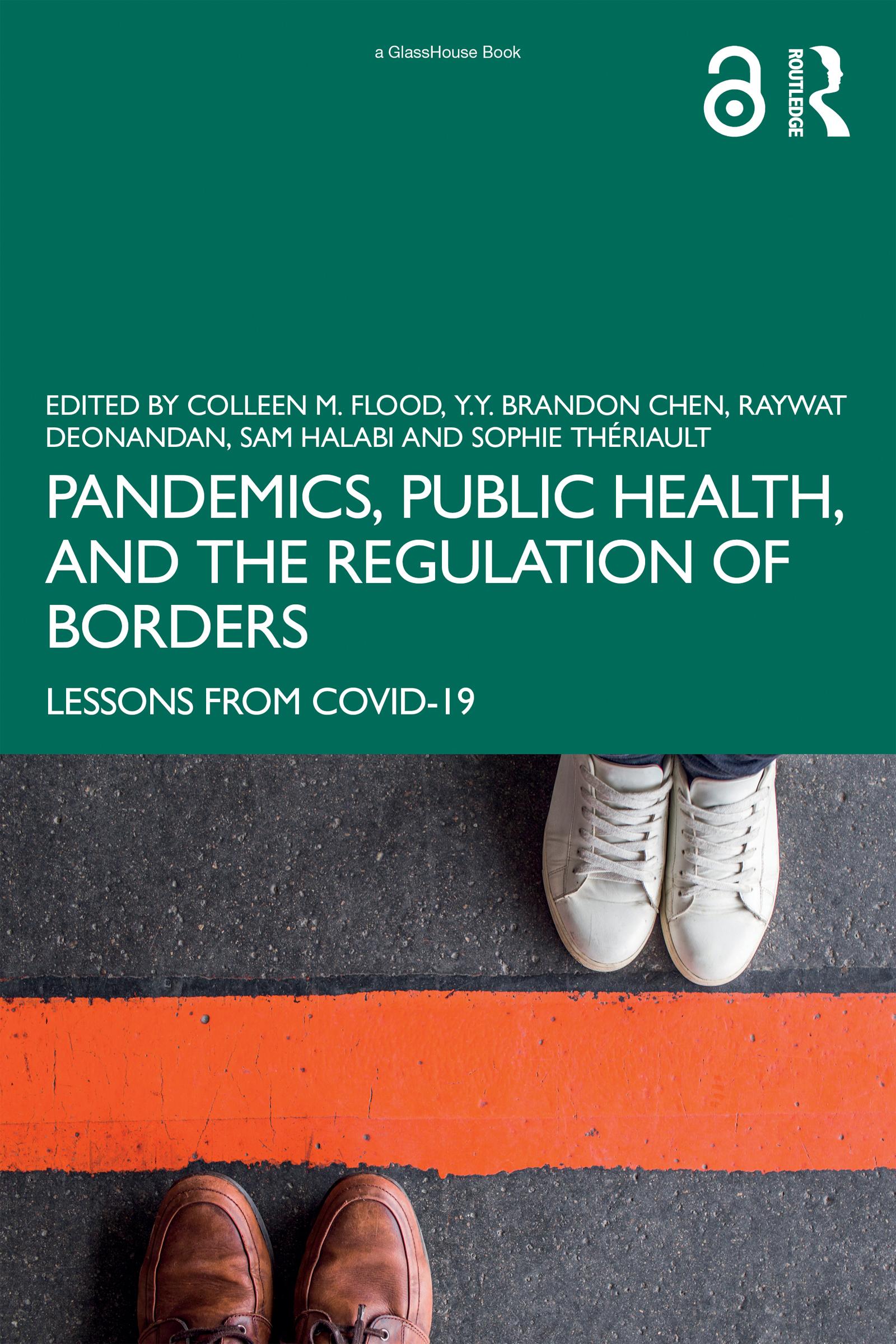
This book examines how the COVID-19 pandemic has engendered a new and challenging environment in which borders drawn around people, places, and social structures have hardened and new ones have emerged.
Over the course of the COVID-19 pandemic, borders closed or became unwelcoming at the international, national, sub-national, and local levels. Debate persists as to whether those countries and territories that tightly managed their borders, like New Zealand, Australia, or Hong Kong, got it ‘right’ compared to those that did not. Without doubt, a majority of those who suffered and died throughout the pandemic have been those from vulnerable populations. Yet on the other hand, efforts taken to manage the spread of the disease, such as through border management, have also disproportionately affected those who are most vulnerable. How then is the right balance to be struck, acknowledging, too, the economic and other imperatives that may dissuade governments from taking public health steps? This book considers how international organizations, countries, and institutions within those countries should conceive of, and manage, borders as the world continues to struggle with COVID-19 and prepares for the next pandemic. Engaging a range of international, and sub-national, examples, the book thematizes the main issues at stake in the control and management of borders in the interests of public health.
This book will be of considerable interest to academics in the fields of health law, anthropology, economics, history, medicine, public health, and political science, as well as policymakers and public health planners at national and sub-national levels.
Pay easily by card, Klarna, Apple Pay or Google Pay. Not happy? You always have a 14-day money-back guarantee. Read more in our terms. If you have any questions, email us at hello@memmo.org.
Memmo makes studying easier – wherever you are in the world. We bring your course books and smart study tools together in one place: summaries, quizzes, podcasts and flashcards. Plus Ted, your study buddy who answers anything you wonder. Over 50,000 students already study here – built to help you learn faster and stress less.