
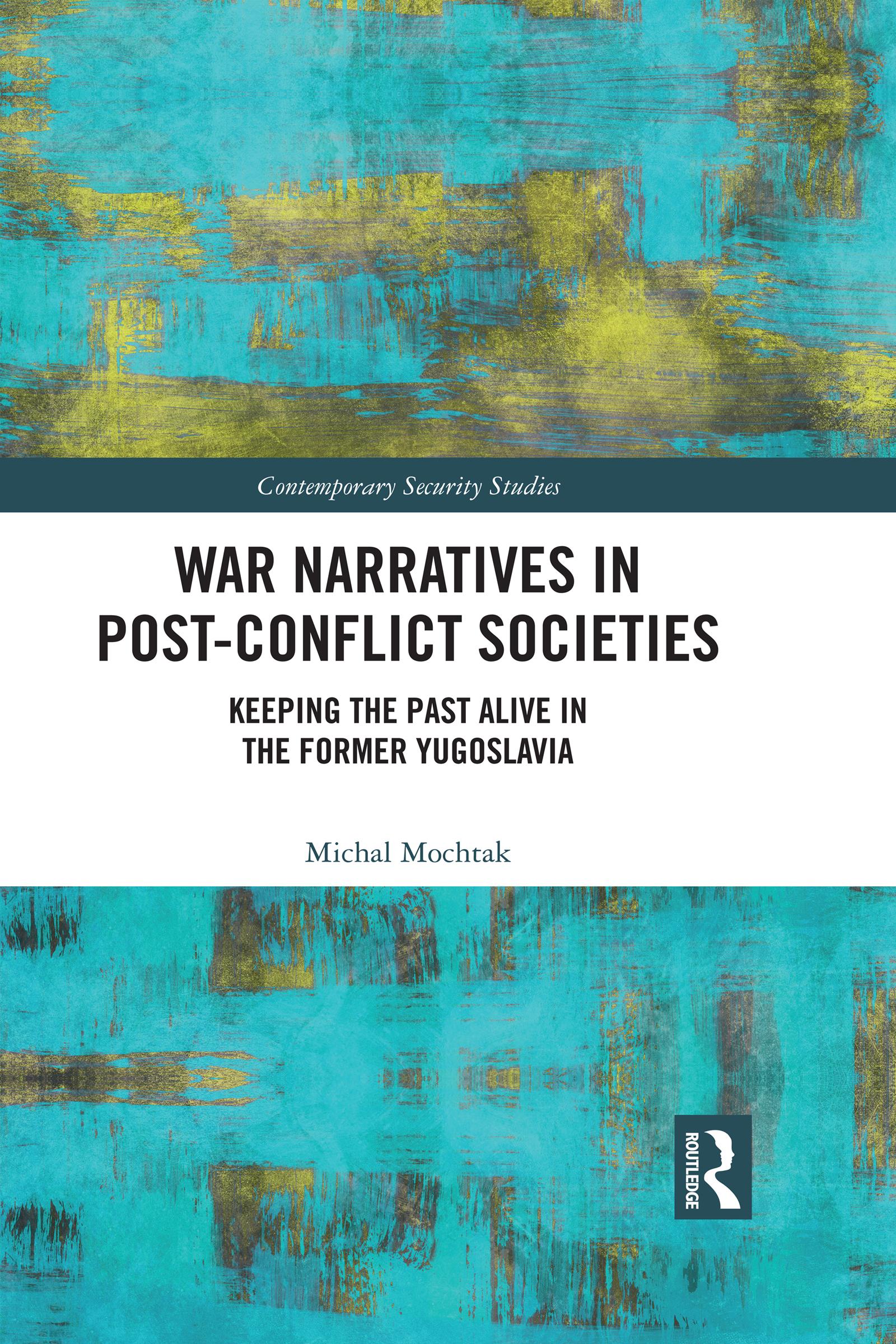
This book studies war narratives and their role in the political arenas of post-conflict societies, with a focus on the former Yugoslavia.
How do politicians in postwar societies talk about the past war? How do they discursively represent vulnerable social groups created by the conflict? Does the nature of this representation depend on the politicians’ ideology, personal characteristics, or their record of combat service? The book answers these questions by pairing natural language processing tools and large corpora of parliamentary debates collected in three southeast European post-conflict societies (Bosnia-Herzegovina, Croatia, and Serbia). Using the latest advances in computer science, the book explores patterns in the war discourse of the political elites of these countries and discusses how politicians talk about war in terms of common narratives and shared frameworks. Mapping over 20 years of parliamentary debates, the book presents a new perspective on the role of the legacies of war in public space and develops theoretical arguments about reconciliation in post-conflict societies. The wars of the 1990s and the breakup of Yugoslavia have created three totally different settings for remembering the past conflicts in these countries, despite their common history. It is a story of victorious battles (Croatia), past grievances (Bosnia-Herzegovina), and denial (Serbia), showing the different flavors of past wars in various national contexts that are symptomatic of many post-conflict societies in different parts of the world.
This book will be of much interest to students of war and conflict studies, southeastern European politics, discourse analysis, and international relations.
Pay easily by card, Klarna, Apple Pay or Google Pay. Not happy? You always have a 14-day money-back guarantee. Read more in our terms. If you have any questions, email us at hello@memmo.org.
Memmo makes studying easier – wherever you are in the world. We bring your course books and smart study tools together in one place: summaries, quizzes, podcasts and flashcards. Plus Ted, your study buddy who answers anything you wonder. Over 50,000 students already study here – built to help you learn faster and stress less.