
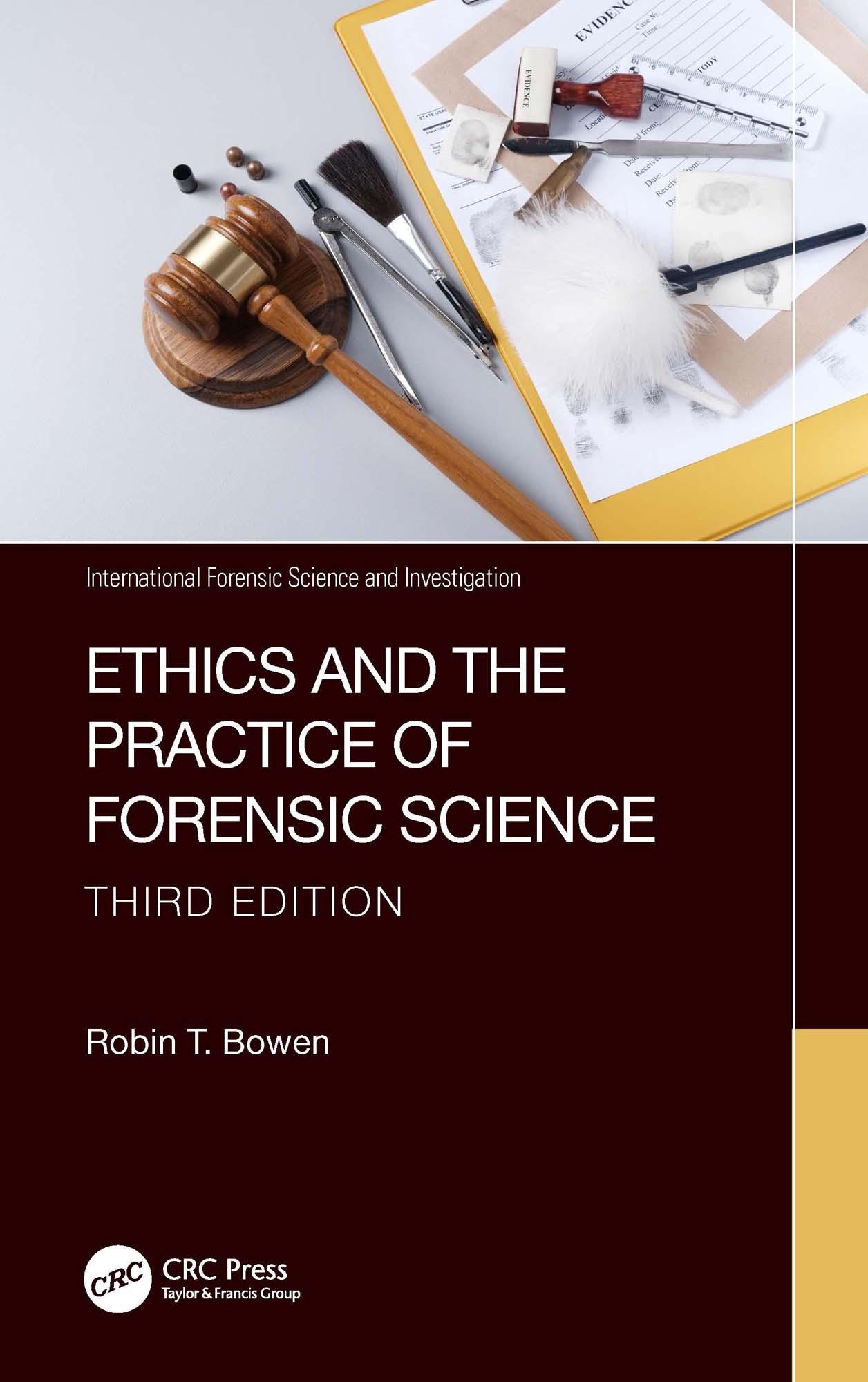
Integrity and honesty are the hallmarks of science - and especially so in the case of forensic science - making the study and practice of ethics essential to the field. Ethics and the Practice of Forensic Science, Third Edition directly addresses common stressors that can induce, or lead professionals - working in forensic laboratories, law enforcement, the judicial system, and at crime scenes - to commit misconduct.
While forensic scientists, investigators, and experts are intrinsically ethical by nature, the reality is that these individuals face challenges including departmental or political pressures, lack of training, and conflicting standards. The difference, however, is that the work done by forensic professionals has the ability to compromise another person’s freedom, potentially leading to arrest, incarceration, and miscarriages of justice. Police and forensic professionals confront ethical dilemmas every day, some situations that fall within clear protocols or standards and others that frequently have no definitive answers.
Ethics and the Practice of Forensic Science, Third Edition includes updated information and case studies, as well as recent research findings focused on ethics in forensic science. Chapters examine investigation and police culture through the lens of professional challenges, incorporating important information about the history of wrongful convictions, and including recent developments in overturned wrongful convictions, and the work of various innocence projects. Throughout the book, case examples of bias, ethical violations, and instances of tampering with evidence present the dangers of compromising one’s ethical standards. Through such cases, the book sheds light on the problem and offers alternative courses of action - presenting examples of what to do, and what not to do, when faced with ethical decisions in gathering, handling, analyzing, and presenting evidence.
Pay easily by card, Klarna, Apple Pay or Google Pay. Not happy? You always have a 14-day money-back guarantee. Read more in our terms. If you have any questions, email us at hello@memmo.org.
Memmo makes studying easier – wherever you are in the world. We bring your course books and smart study tools together in one place: summaries, quizzes, podcasts and flashcards. Plus Ted, your study buddy who answers anything you wonder. Over 50,000 students already study here – built to help you learn faster and stress less.