
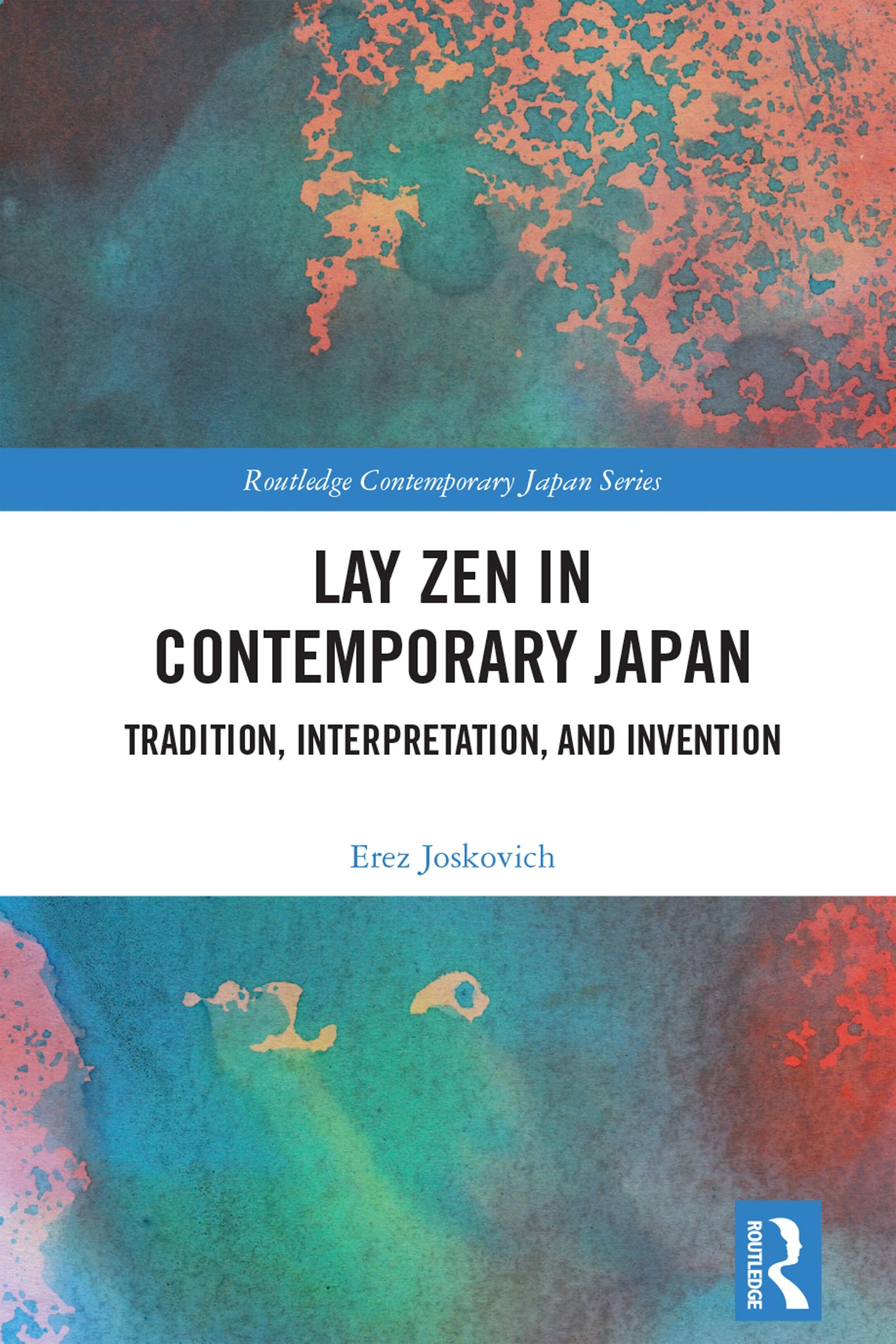
This book explores the emergence and growth of Zen as a non-monastic spiritual practice in modern Japan. Focusing on several prominent lay Zen associations, most notably Ningen Zen, it explores different aspects of lay Zen as a lived religion, such as organization, ideology, and ritual. Through a combined approach utilizing Buddhist text, historical sources, and ethnographic fieldwork, it explains how laypeople have appropriated religious authority and tailored Zen teachings to fit their needs and the zeitgeist.
Featuring the findings of three years of fieldwork, interviews, and archival research, the book comprehensively describes various Zen practices and explores their contemporary meaning and functions. It undermines the distinction between traditional or established Buddhism and the so-called New Religions, emphasizing instead the dynamic relations between tradition and interpretation.
Written in accessible language and offering insightful analysis, this book brings to light the essential role of lay Zen associations in modernizing Zen within Japan and beyond. It will be of interest to scholars and students of religious studies, particularly those studying Buddhism, Japanese society, and culture.
Pay easily by card, Klarna, Apple Pay or Google Pay. Not happy? You always have a 14-day money-back guarantee. Read more in our terms. If you have any questions, email us at hello@memmo.org.
Memmo makes studying easier – wherever you are in the world. We bring your course books and smart study tools together in one place: summaries, quizzes, podcasts and flashcards. Plus Ted, your study buddy who answers anything you wonder. Over 50,000 students already study here – built to help you learn faster and stress less.