
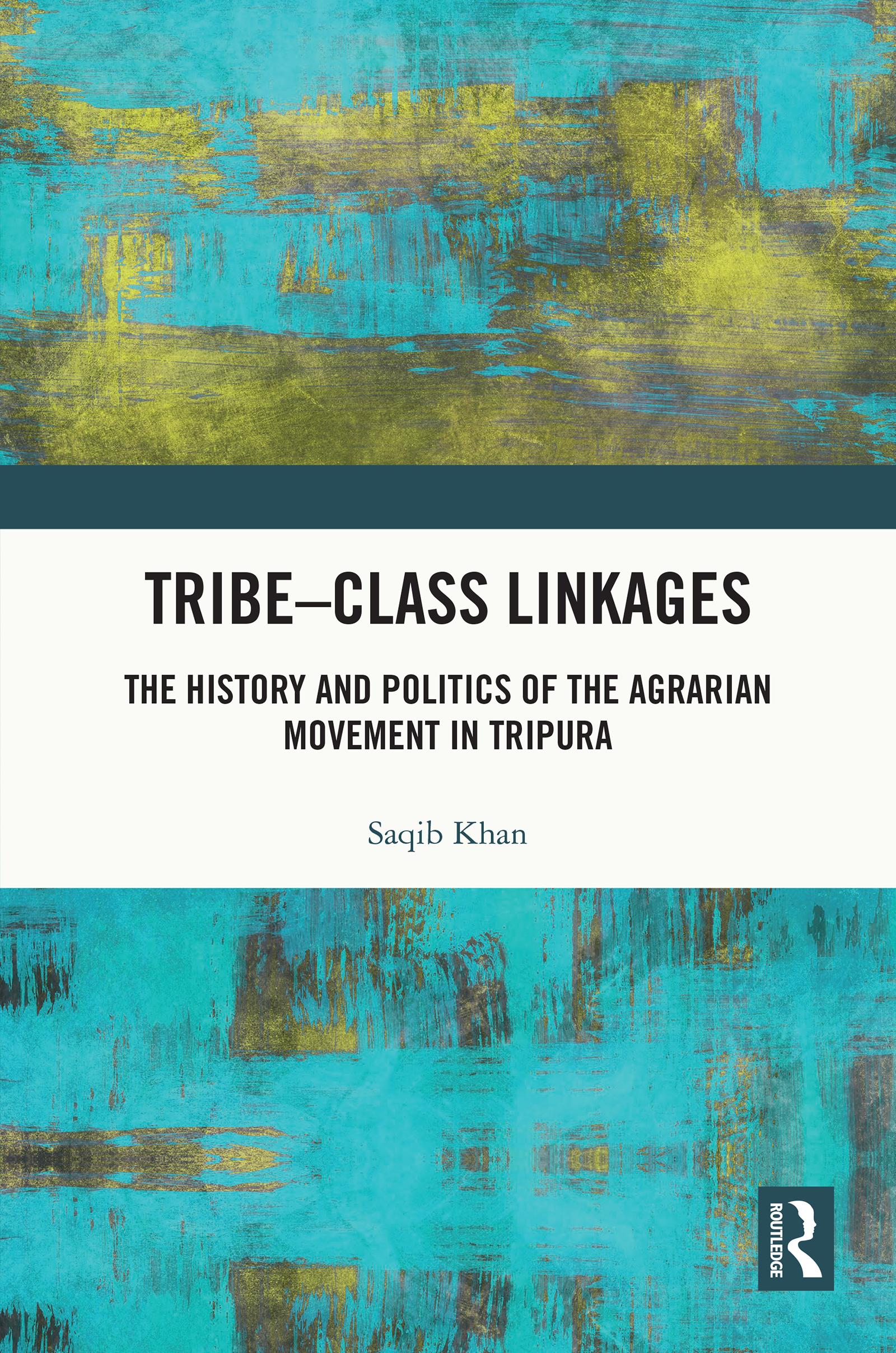
This book is a historical study of the development of agrarian class relations among the tribal population in Tripura. Tracing the evolution of Tripura and its agrarian relations from monarchy in the nineteenth century to democracy in the twentieth century, the book discusses the nature of the erstwhile princely state of Tripura, analyses the emergence of differentiation within tribes, and documents the emergence of the tribal movement in the state. It specifically focuses on the tribal movement led by the Ganamukti Parishad, beginning with the historic revolt of 1948-51 against state repression on the tribal people, followed by the mass movements in the 1950s and 1960s, which were founded on a recognition of class relations and the slogan of unity across the tribal and non-tribal (Bengali) peasantry.
The first of its kind, the book will be indispensable for students and researchers of tribal studies, agrarian studies, exclusion studies, tribe-class relationships, minority studies, sociology, development studies, history, political science, north-east India studies, and South Asian studies. It will also be useful for activists and policymakers working in the area.
Pay easily by card, Klarna, Apple Pay or Google Pay. Not happy? You always have a 14-day money-back guarantee. Read more in our terms. If you have any questions, email us at hello@memmo.org.
Memmo makes studying easier – wherever you are in the world. We bring your course books and smart study tools together in one place: summaries, quizzes, podcasts and flashcards. Plus Ted, your study buddy who answers anything you wonder. Over 50,000 students already study here – built to help you learn faster and stress less.