
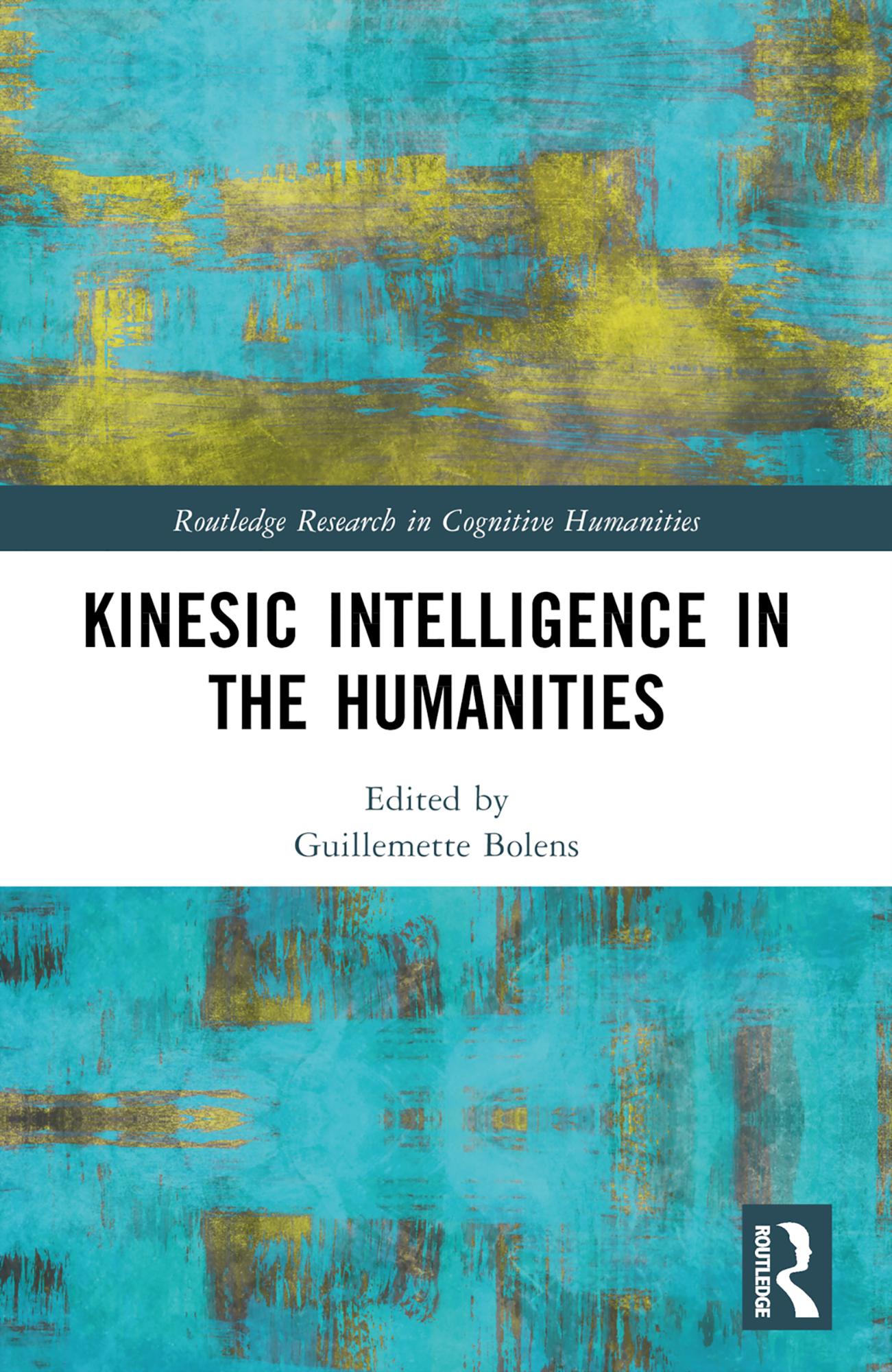
This research collection showcases how kinesic intelligence is fundamental to human communication and our ability to produce complex meaning, exploring its manifestations across a range of humanities disciplines, and connecting our past with our social and cultural future.
The book defines kinesic intelligence as a higher-order intellectual competence that allows human beings to interact and grow cognitively and intersubjectively through sensorimotricity and interpersonal movement. Understood in this way, kinesic intelligence can offer insights into the development of humans’ meaning-making abilities and, in turn, society and culture more broadly. Recognizing the power of the humanities in furthering sociocultural development, the collection features perspectives from scholars across a range of topics, including the multimodality of language acquisition in children; young adults in clinical psychology and medical humanities; nonverbal communication in history; legal language and reasoning; literature and cognitive studies; the internet and multispecies anthropology; and sensoriality in history and art.
Foregrounding the impact of the humanities in promoting new understandings of human intelligence, this volume will be of interest to scholars in cognitive legal and literary studies, multimodality, anthropology, history, medical humanities, and those with an interest in the real-world impact of the humanities.
Pay easily by card, Klarna, Apple Pay or Google Pay. Not happy? You always have a 14-day money-back guarantee. Read more in our terms. If you have any questions, email us at hello@memmo.org.
Memmo makes studying easier – wherever you are in the world. We bring your course books and smart study tools together in one place: summaries, quizzes, podcasts and flashcards. Plus Ted, your study buddy who answers anything you wonder. Over 50,000 students already study here – built to help you learn faster and stress less.