
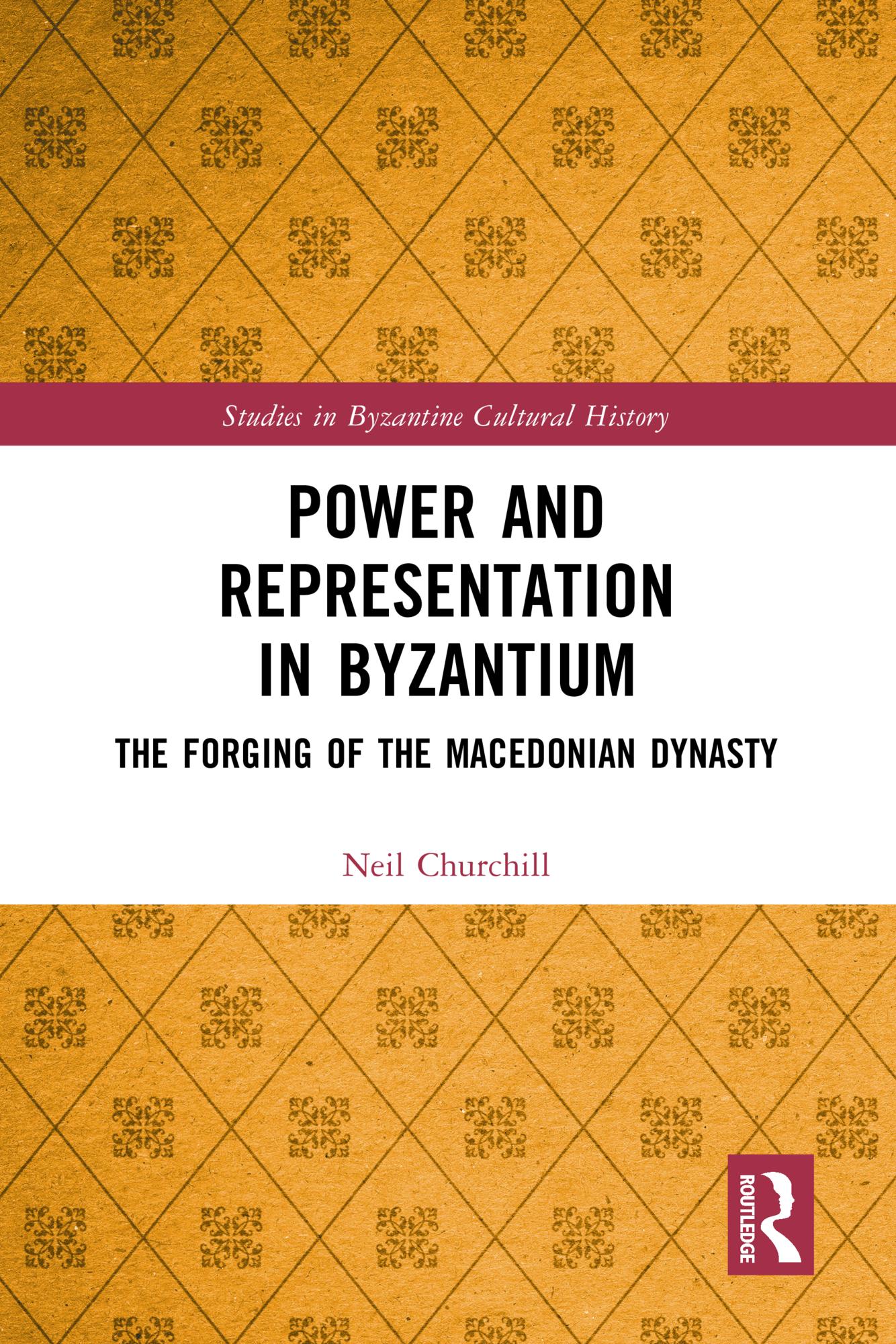
Throughout the history of Byzantium 65 emperors were dethroned and only 39 reigns ended peacefully. How might a usurper get away with murdering his predecessor? And how could a bloody act of regicide lead to one of the most glorious of all eras in Byzantium? These were questions that puzzled Michael Psellos as he looked back at Basil I’s assassination of Michael III and the origin of the Macedonian dynasty. Might the imperial art of Basil, his sons and grandson help to explain how the dynasty overcame its violent beginnings and secured the loyalty of its subjects?
It has long been recognised that the early Macedonian emperors were active propagandists but royal art has usually been viewed thematically over the span of centuries. Official iconography has been understood to project imperial power in ways which were impersonal and unchanging. This book instead adopts a chronological approach and considers how Basil justified his seizure of power, and how his successors went on to articulate their own ideas about authority. It concludes that imperial art did at times reflect the personality of the emperor and the political demands of the moment, such as the need for an heir, the nature of court politics or the choice of successor.
This innovative account of the forging of the Macedonian dynasty will appeal to those interested in how early medieval kings and emperors used art to create their own image, to differentiate themselves from rivals and to extend the boundaries of their personal power.
Pay easily by card, Klarna, Apple Pay or Google Pay. Not happy? You always have a 14-day money-back guarantee. Read more in our terms. If you have any questions, email us at hello@memmo.org.
Memmo makes studying easier – wherever you are in the world. We bring your course books and smart study tools together in one place: summaries, quizzes, podcasts and flashcards. Plus Ted, your study buddy who answers anything you wonder. Over 50,000 students already study here – built to help you learn faster and stress less.