
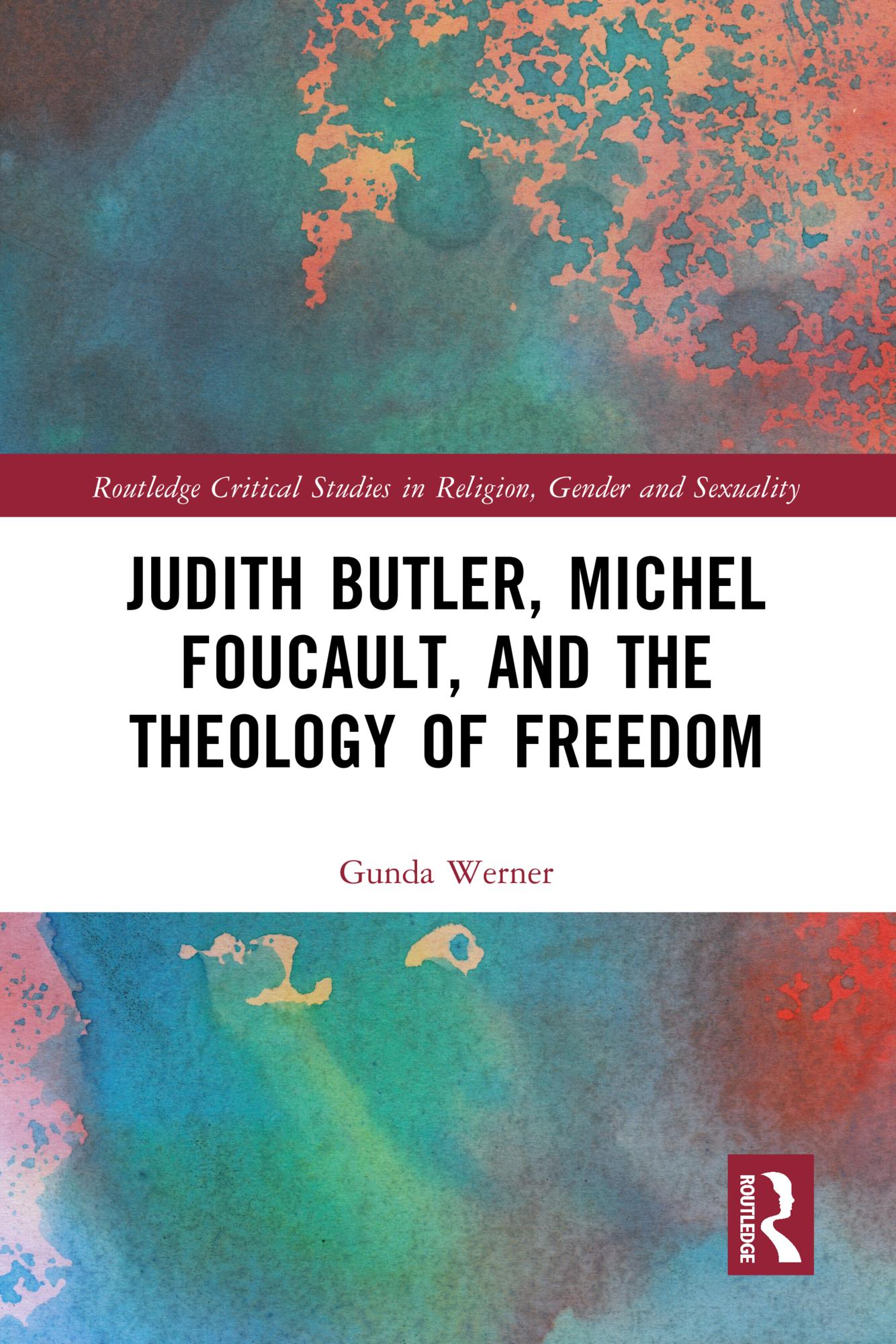
This book explores how Judith Butler’s work on gender and the shaping of the human subject and Michel Foucault's notion of parrhesia, ‘speaking the truth’, can be made fruitful for a theology of freedom. The volume illustrates the importance of three concepts - freedom, gender (body) and power (critique) - and how this triad provides the foundational categories and structural elements of a theology of freedom. By starting from an analysis of power and the performative potential of gendered embodiment, freedom can be thought of as the basis of creative and critical human action and thereby implemented in theology. The chapters feature several theological-historical case studies that are representative of topics that continue to shape contemporary Catholic norms and thought. In particular, the author reflects on the 13th century with the idea of personal sin and confession, and the 19th century with a gender ideology that has led to the marginalization of difference and dissent. The book shows how Butler and Foucault can provide essential insights for Catholic theology and is valuable reading for scholars of religion, philosophy, and gender and sexuality studies.
Pay easily by card, Klarna, Apple Pay or Google Pay. Not happy? You always have a 14-day money-back guarantee. Read more in our terms. If you have any questions, email us at hello@memmo.org.
Memmo makes studying easier – wherever you are in the world. We bring your course books and smart study tools together in one place: summaries, quizzes, podcasts and flashcards. Plus Ted, your study buddy who answers anything you wonder. Over 50,000 students already study here – built to help you learn faster and stress less.