
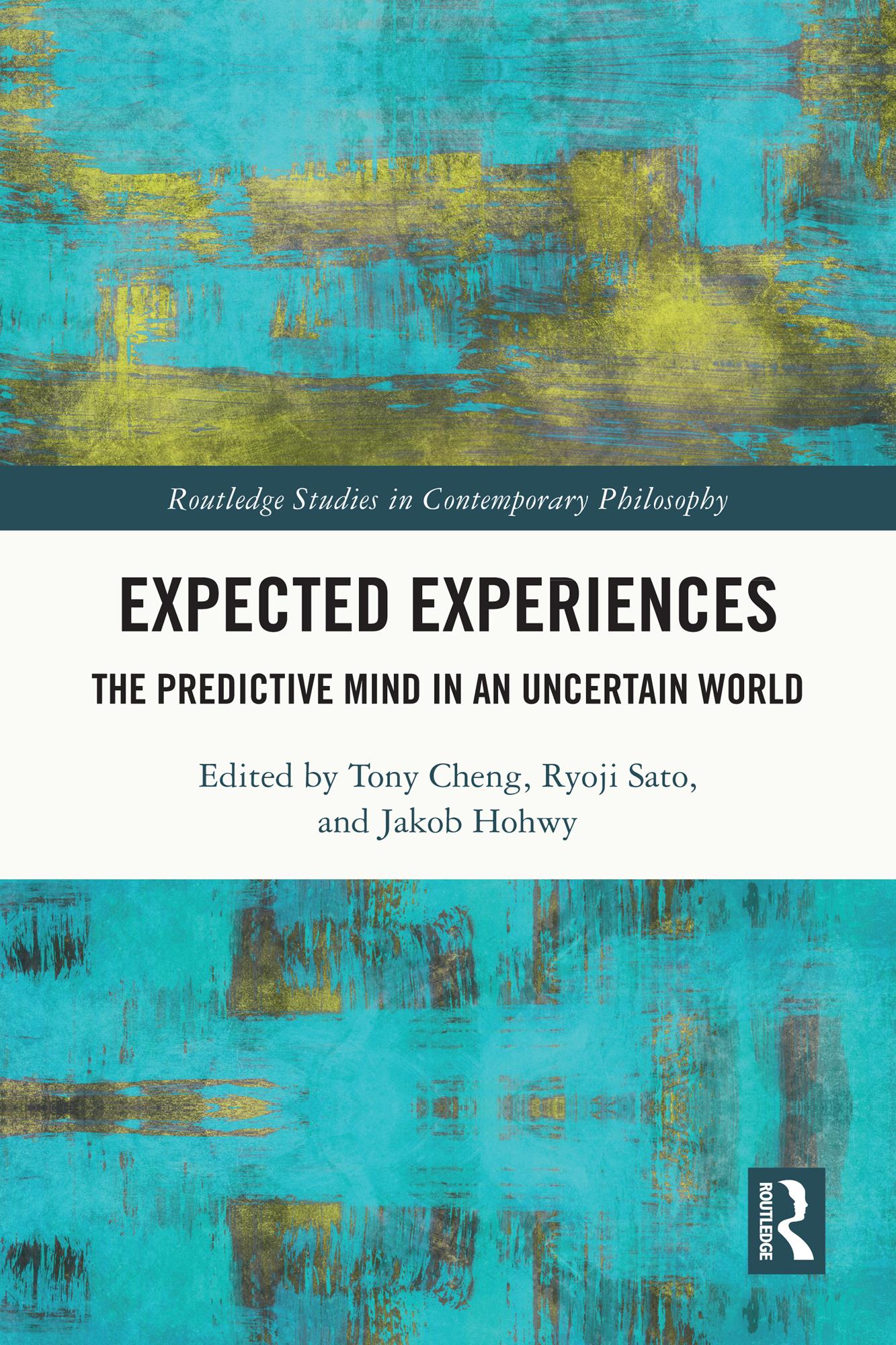
This book brings together perspectives on predictive processing and expected experience. It features contributions from an interdisciplinary group of authors specializing in philosophy, psychology, cognitive science, and neuroscience.
Predictive processing, or predictive coding, is the theory that the brain constantly minimizes the error of its predictions based on the sensory input it receives from the world. This process of prediction error minimization has numerous implications for different forms of conscious and perceptual experience. The chapters in this volume explore these implications and various phenomena related to them. The contributors tackle issues related to precision estimation, sensory prediction, probabilistic perception, and attention, as well as the role predictive processing plays in emotion, action, psychotic experience, anosognosia, and gut complex.
Expected Experiences will be of interest to scholars and advanced students in philosophy, psychology, and cognitive science working on issues related to predictive processing and coding.
Pay easily by card, Klarna, Apple Pay or Google Pay. Not happy? You always have a 14-day money-back guarantee. Read more in our terms. If you have any questions, email us at hello@memmo.org.
Memmo makes studying easier – wherever you are in the world. We bring your course books and smart study tools together in one place: summaries, quizzes, podcasts and flashcards. Plus Ted, your study buddy who answers anything you wonder. Over 50,000 students already study here – built to help you learn faster and stress less.