
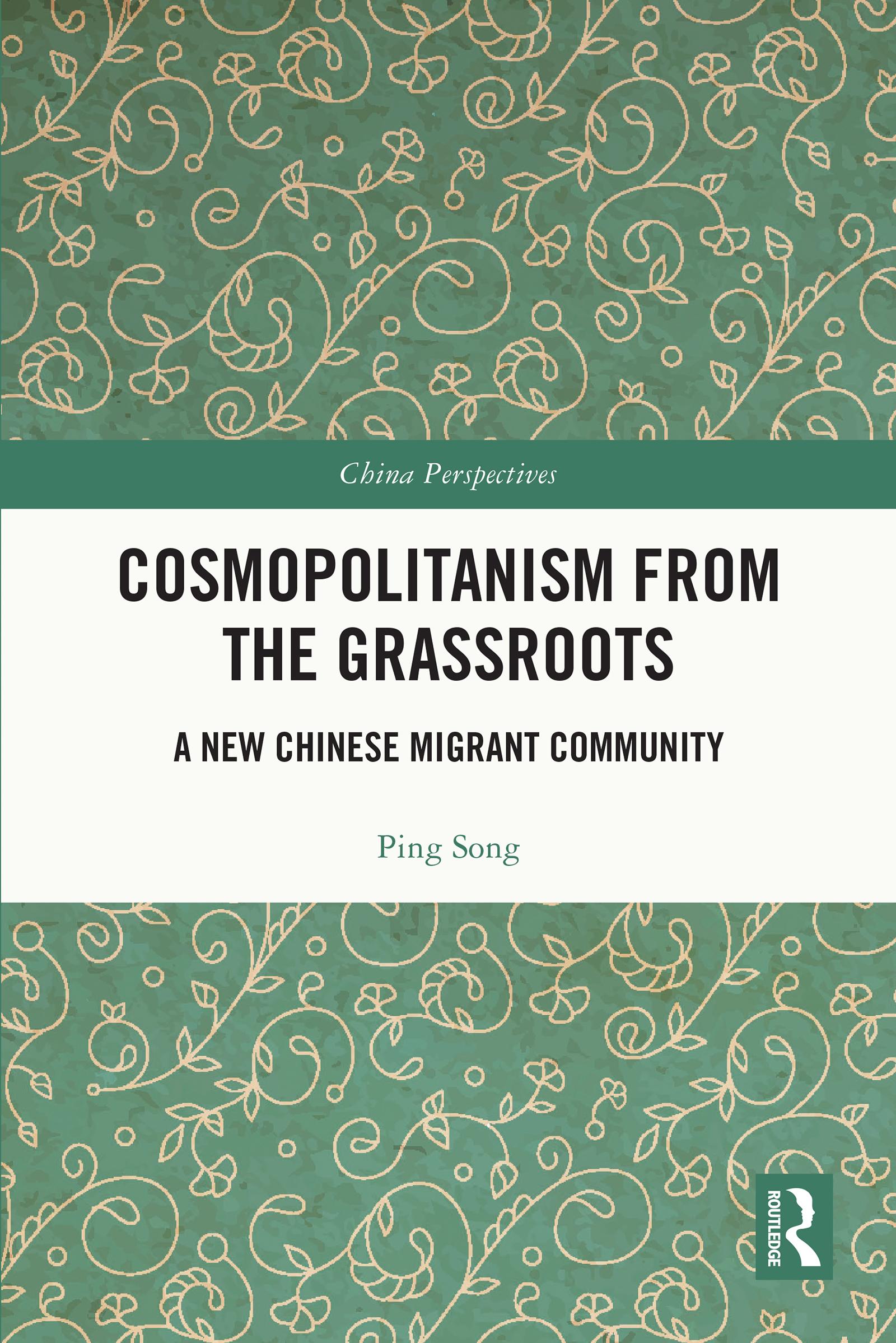
This book aims to present a holistic picture of the Chinese immigrants from Fuzhou in New York. It shows how a small village in Southeast China has expanded to New York and has undergone a transformation over the past few decades, from rural Third World peasants to ethnic entrepreneurs in a global city.
Validating Marshall Sahlins’s statement that migrants can “organise the irresistible forces of the world system according to their own system of the world,” the book seeks to explain the following aspects: first, how Chinese migrants from Fuzhou built a self-governing community and provided public goods for its members. Second, how they adapted their pre-modern social relations to a market environment, creating interwoven economic networks in an ethnic economy and reshaping local culture-based economies into a distinctive form of capitalism. Third, how they transformed their religious world, adapting Chinese Buddhism and folk religion as a focus for their society and economy. Fourth, the characteristics of the migrants’ cultural identity, examining the continuities in their identity and how it has changed over time.
Students and scholars in anthropology, Chinese studies and cultural studies will find this book essential reading.
Pay easily by card, Klarna, Apple Pay or Google Pay. Not happy? You always have a 14-day money-back guarantee. Read more in our terms. If you have any questions, email us at hello@memmo.org.
Memmo makes studying easier – wherever you are in the world. We bring your course books and smart study tools together in one place: summaries, quizzes, podcasts and flashcards. Plus Ted, your study buddy who answers anything you wonder. Over 50,000 students already study here – built to help you learn faster and stress less.