
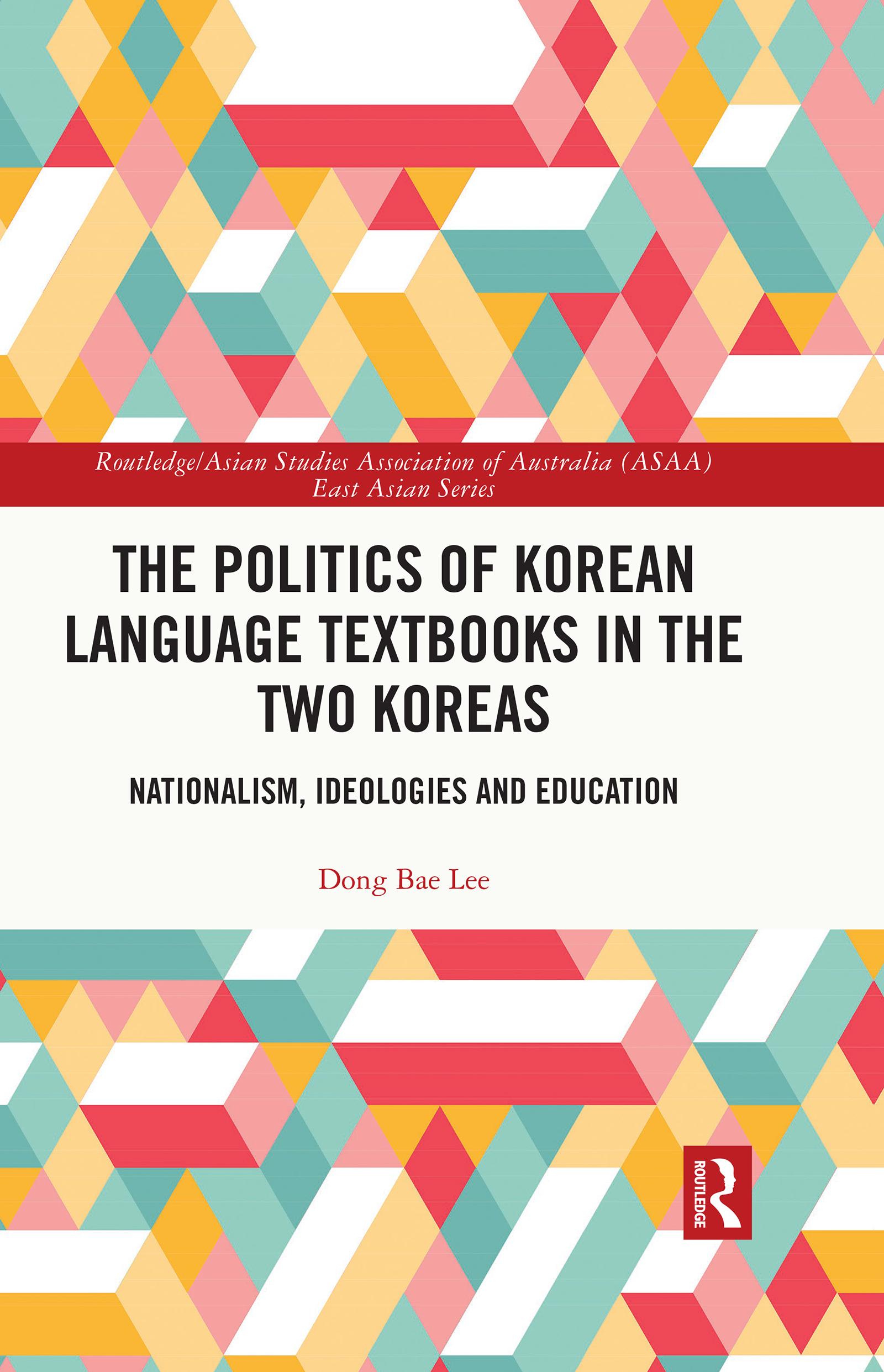
This book investigates the politics embedded in the Korean-language textbooks utilised between 1895 and 2019, within the context of one Korea (pre-colonial and colonial eras), the divided Koreas, and an ethnic Korean group residing in Japan (Chongryon).
By analysing the inclusions and omissions from Korean-language the author successfully highlights the impact of Korean politics, making clear how rulers have attempted to control their citizens and legitimize their rule by using primary school Korean-language textbooks as a medium for political education and inculcation. It succinctly displays how different visions of ‘ideal citizenship’ have been presented in Korea and traces the resulting shift in views towards neighbouring nations as a result, identifying how different rival countries were demonized at different times. This chapter also shows some consistent omissions, such as the lower classes and marginalized individuals within their respective nations.
Presenting recommendations for potential improvements of the content of future textbooks this study will be of interest to students of Asian Studies, Post-colonial Studies, Critical Curriculum Studies, Critical Discourse Studies, and Korean Studies.
Pay easily by card, Klarna, Apple Pay or Google Pay. Not happy? You always have a 14-day money-back guarantee. Read more in our terms. If you have any questions, email us at hello@memmo.org.
Memmo makes studying easier – wherever you are in the world. We bring your course books and smart study tools together in one place: summaries, quizzes, podcasts and flashcards. Plus Ted, your study buddy who answers anything you wonder. Over 50,000 students already study here – built to help you learn faster and stress less.