
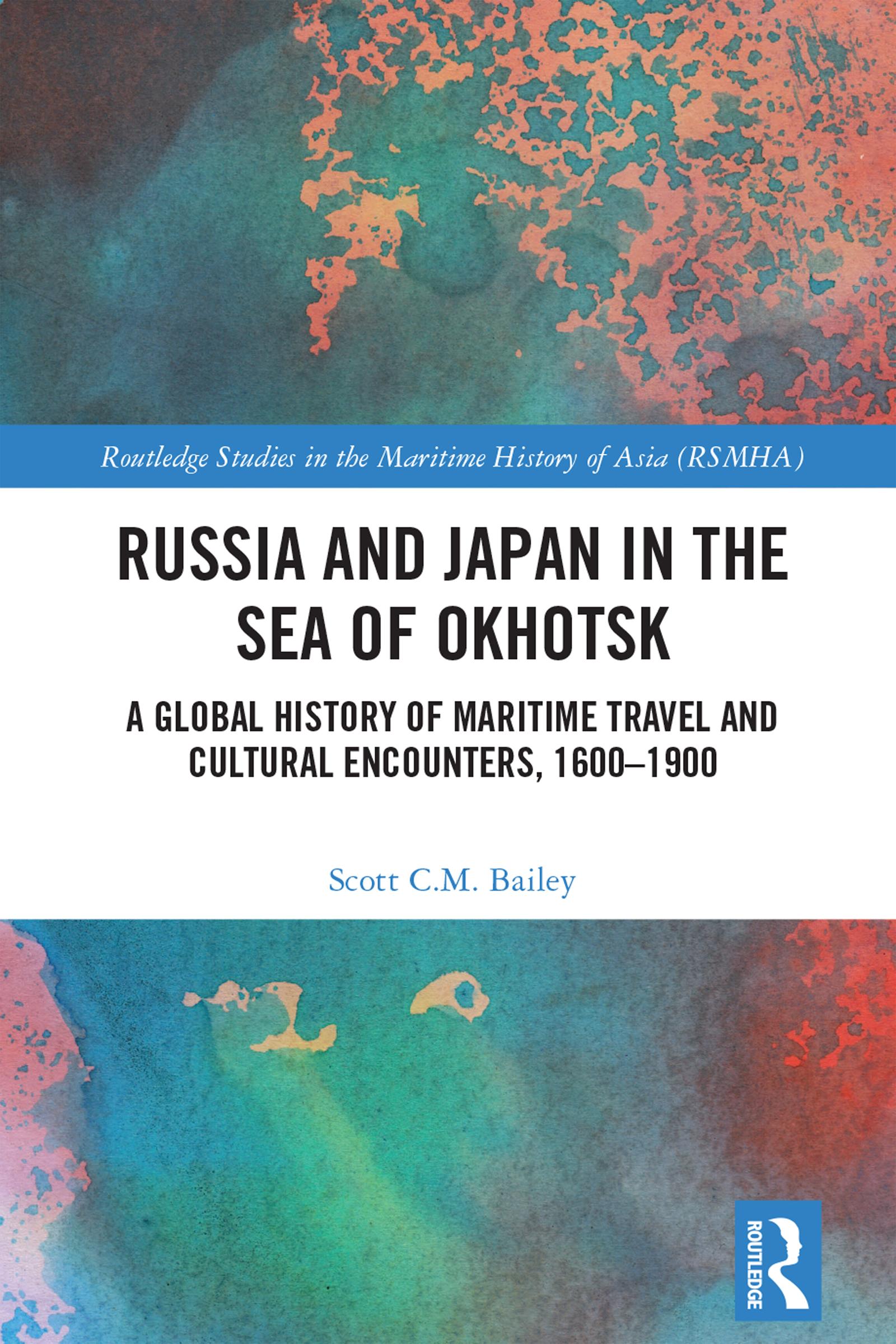
Bailey describes how the Sea of Okhotsk area became integrated into a world system of economic and cultural ties between the seventeenth and nineteenth centuries. This happened primarily because of maritime explorations, travel, and trade, which led to increased connections with both Russia and Japan.
Individual chapters of the book provide analyses of historical sources which describe cross-cultural encounters and changes in the Sea of Okhotsk area. This includes analyses of explorers and travelers who traversed the region for commerce, exploration, diplomacy, and possible colonization. Historical sources are explored from the different perspectives of Russians, Japanese, Indigenous peoples, and international observers from Western countries. Cross-cultural encounters in the region among these groups led to collaboration, syncretism, and resistance, sometimes violent and sometimes peaceful. The last chapter discusses how some international travelers and foreign residents of Hokkaidō described the area at the end of the nineteenth century. Their perspectives confirm that Hokkaidō had become a fully colonized space.
An essential resource for students and scholars of cross-cultural studies, Russian history, Japanese history, and Ainu and Indigenous history.
Pay easily by card, Klarna, Apple Pay or Google Pay. Not happy? You always have a 14-day money-back guarantee. Read more in our terms. If you have any questions, email us at hello@memmo.org.
Memmo makes studying easier – wherever you are in the world. We bring your course books and smart study tools together in one place: summaries, quizzes, podcasts and flashcards. Plus Ted, your study buddy who answers anything you wonder. Over 50,000 students already study here – built to help you learn faster and stress less.