
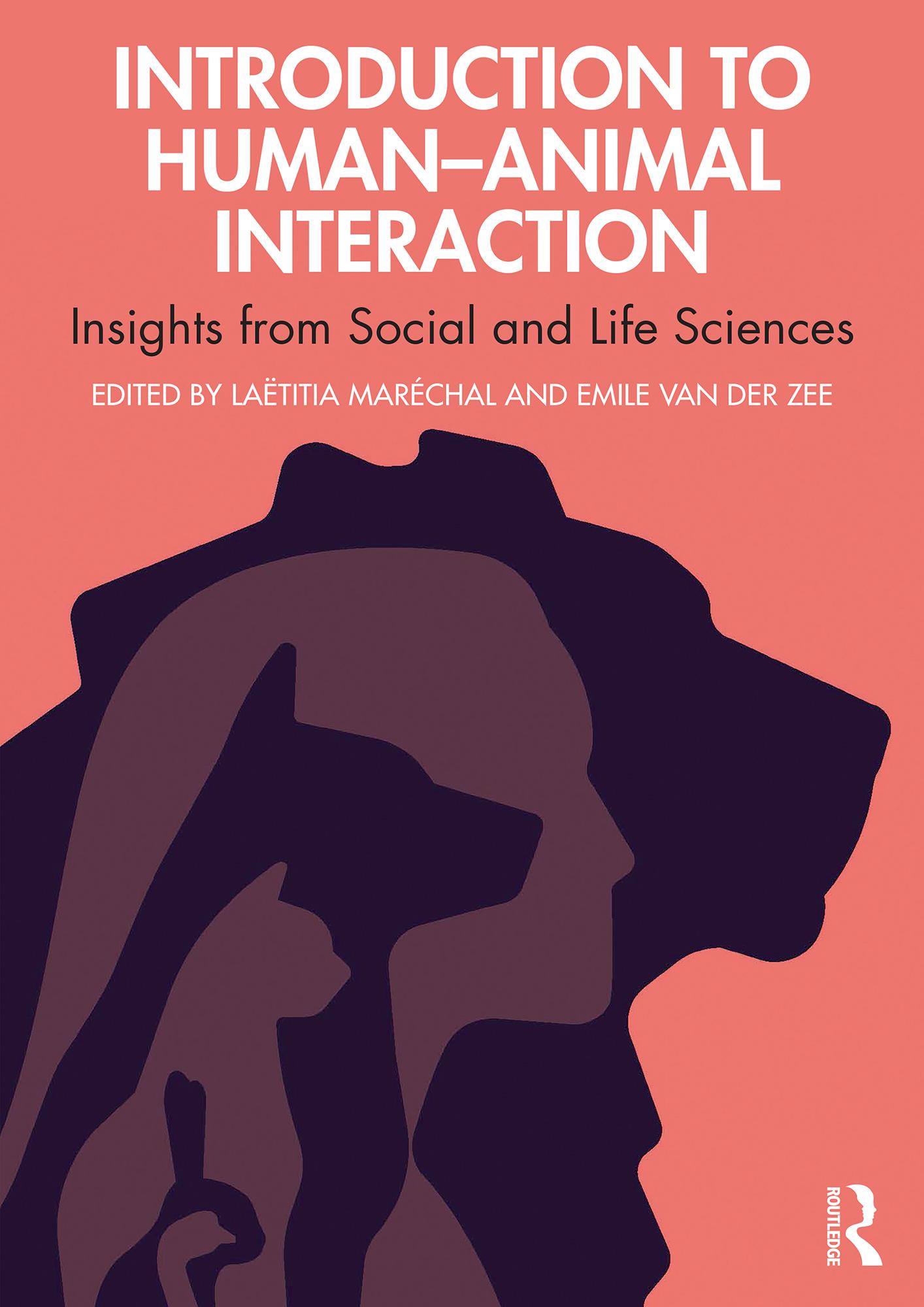
Introduction to Human-Animal Interaction focuses on the human dimension of interacting with other animals. This book introduces recent developments, theories, and debates in the relatively new research area of Human-Animal Interaction (HAI) and focuses on the social and life sciences aspect of these interactions. Experts from different academic disciplines provide an overview for students and professionals interested in how humans and other animals interact, and what advantages and disadvantages emerge for both parties in this relationship.
The book starts with the theories and mechanisms supporting our interactions with animals, such as human-animal communication, and it then covers the implications of HAI in terms of ethics and welfare. After discussing cultural differences and forensic aspects in human-animal interaction (e.g., wildlife crime and animal abuse), the book examines evidence in the area of animal-assisted intervention. The final chapters give an overview of current research in specific human-animal interaction systems: human-pet, human-livestock and human-wildlife interaction. The book offers a scientific, evidence-based perspective on human-animal interaction, providing pedagogical tools to make a systematic, critical and constructive evaluation of research in HAI possible. It offers a range of in-text pedagogical features like a subject index, chapter MCQs, open questions, further reading, and additional digital resources including videos which are accessible via QR codes or through the associated website.
This textbook provides the fundamental tools for achieving a comprehensive, current, and critical overview of the HAI field and is an integral text for undergraduate and postgraduate students undertaking modules in human-animal interaction, in social sciences such as anthropology, cultural studies, criminology, ethics and laws or in life sciences such as animal behaviour, conservation and welfare, biology, neuroscience, physiology, psychology, public health and those studying veterinary science.
Pay easily by card, Klarna, Apple Pay or Google Pay. Not happy? You always have a 14-day money-back guarantee. Read more in our terms. If you have any questions, email us at hello@memmo.org.
Memmo makes studying easier – wherever you are in the world. We bring your course books and smart study tools together in one place: summaries, quizzes, podcasts and flashcards. Plus Ted, your study buddy who answers anything you wonder. Over 50,000 students already study here – built to help you learn faster and stress less.