
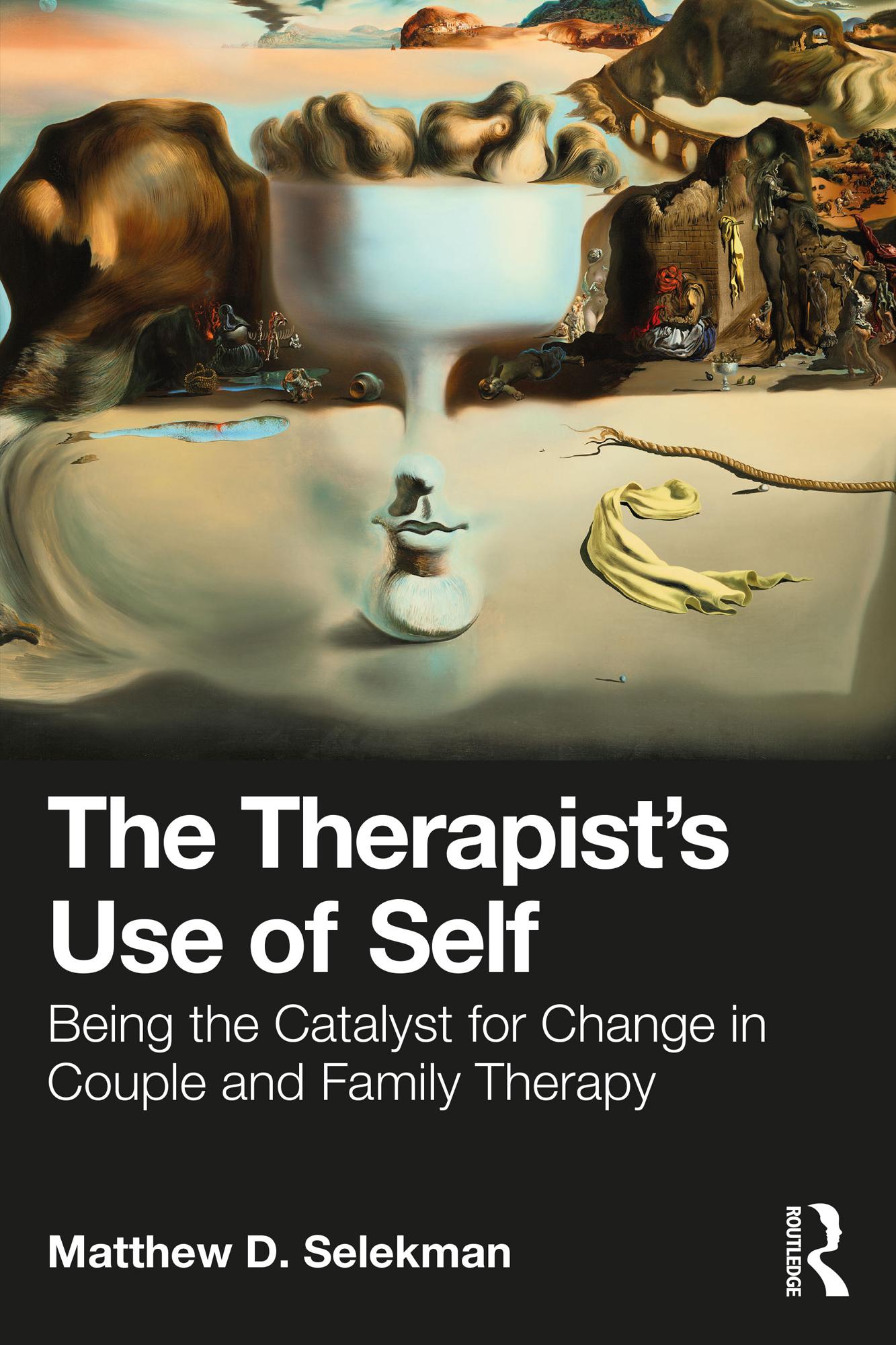
This book encourages and trains students and practicing marriage and family therapists to bring themselves into the therapy room, offering guidelines and strategies for being more present and personal with their clients.
Mental health professionals are often taught and trained that therapy is serious business, to be cautious and conservative with therapeutic decision-making, and to stick to empirically supported and specific tools in sessions. What gets lost in this positivistic, formulaic, and scientific way of working are therapists’ own unique voices, their creativity, flexibility, and the sense of playfulness that make the change process fun and upbeat. The Therapist’s Use of Self equips therapists with the skills they need to deepen their alliances with clients, to liberate themselves from an overreliance on models, and to bring their whole selves to the therapeutic encounter. Chapters cover pioneers in the field before exploring ways to bring ideas from outside the therapy room, including from music, art, literature, and film. The book includes a key chapter on teletherapy, and each chapter presents major therapeutic tools and strategies, case examples, the resulting outcomes, and key takeaways.
Students of psychology, social work, nursing, and marriage and family programs, as well as mental health professionals will benefit from this book with a plethora of therapeutic tools, guidelines, and strategies for catalyzing change with even the most challenging couples and families.
Pay easily by card, Klarna, Apple Pay or Google Pay. Not happy? You always have a 14-day money-back guarantee. Read more in our terms. If you have any questions, email us at hello@memmo.org.
Memmo makes studying easier – wherever you are in the world. We bring your course books and smart study tools together in one place: summaries, quizzes, podcasts and flashcards. Plus Ted, your study buddy who answers anything you wonder. Over 50,000 students already study here – built to help you learn faster and stress less.