
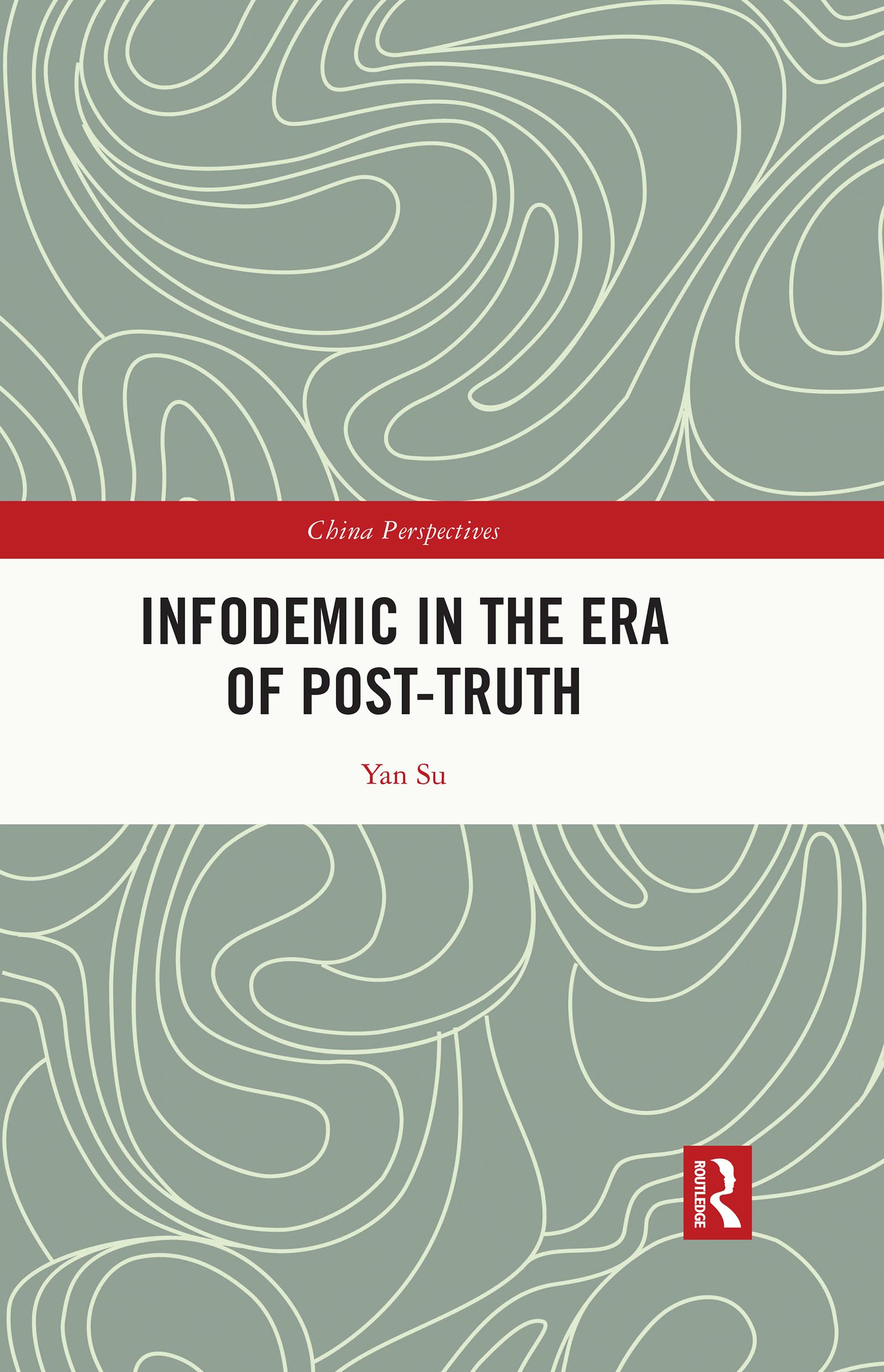
With the revolution in information technology, concerns about the proliferation of false, unverified, and misleading information have been growing. As one of the severe public health crises in modern history, the COVID-19 pandemic has provided a novel context for the "post-truth" research. In a "post-truth" era, people are no longer interested in investigating objective facts, but tend to curl up in echo chambers and resonate with like-minded others. Against this backdrop, this book (1) systematically conceptualises "post-truth" and analyzes its defining characteristics and driving forces, (2) examines the nuanced effects of information sources and news consumption behaviours and strategies on COVID-19 misperceptions and knowledge, (3) explores the role of social media in shaping COVID-19-related misperceptions and knowledge, and (4) highlights the importance of news media literacy in navigating the "post-truth" era.
The book will be essential reading for students and scholars of media and film studies, communication studies and comparative studies. It will also be a useful reference for medical and media professionals such as doctors, nurses and journalists.
Pay easily by card, Klarna, Apple Pay or Google Pay. Not happy? You always have a 14-day money-back guarantee. Read more in our terms. If you have any questions, email us at hello@memmo.org.
Memmo makes studying easier – wherever you are in the world. We bring your course books and smart study tools together in one place: summaries, quizzes, podcasts and flashcards. Plus Ted, your study buddy who answers anything you wonder. Over 75,000 students already study here – built to help you learn faster and stress less.