
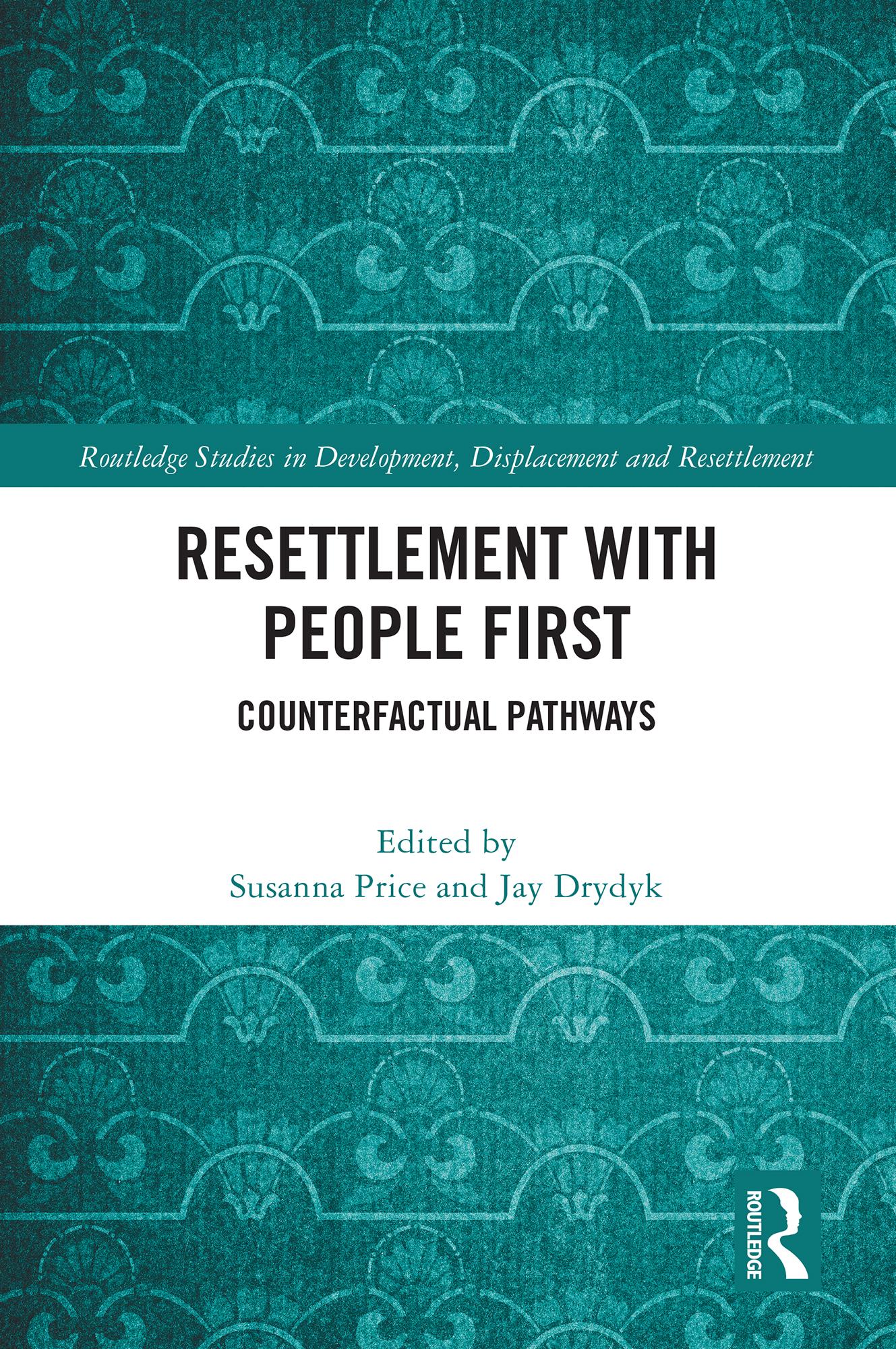
Should people in the way lose out as new reservoirs, mines, plantations, or superhighways displace them from their homes and livelihoods? What if the process of resettlement were made accountable to those impacted, empowering them to achieve just outcomes and to share in the benefits of development projects? This book seeks to answer these questions, putting forward powerful counterfactual case studies to assess what problems real-world development projects would likely have avoided if the project had included the affected people in decision making about whether and how they should resettle.
Drawing on contributions from leading and emerging scholars from around the world, this book considers cases involving dams, mines, roads, and housing, amongst others, from Asia, Africa, and South America. In each case, the counterfactual approach invites us to reconsider how the dynamics of accountability play out through resettlement hazards and the asymmetries of power relations in the negotiation of displacement benefits and redress. Considering a range of theoretical and ethical perspectives, the book concludes with practical, alternative policy suggestions for displacement arising both from development and from slow onset climate change.
This book’s novel approach focussing on the people's agency in the dynamics of governance, accountability, and (dis)empowerment in development projects with displacement and resettlement will appeal to academic researchers, development practitioners, and policymakers.
Pay easily by card, Klarna, Apple Pay or Google Pay. Not happy? You always have a 14-day money-back guarantee. Read more in our terms. If you have any questions, email us at hello@memmo.org.
Memmo makes studying easier – wherever you are in the world. We bring your course books and smart study tools together in one place: summaries, quizzes, podcasts and flashcards. Plus Ted, your study buddy who answers anything you wonder. Over 50,000 students already study here – built to help you learn faster and stress less.