
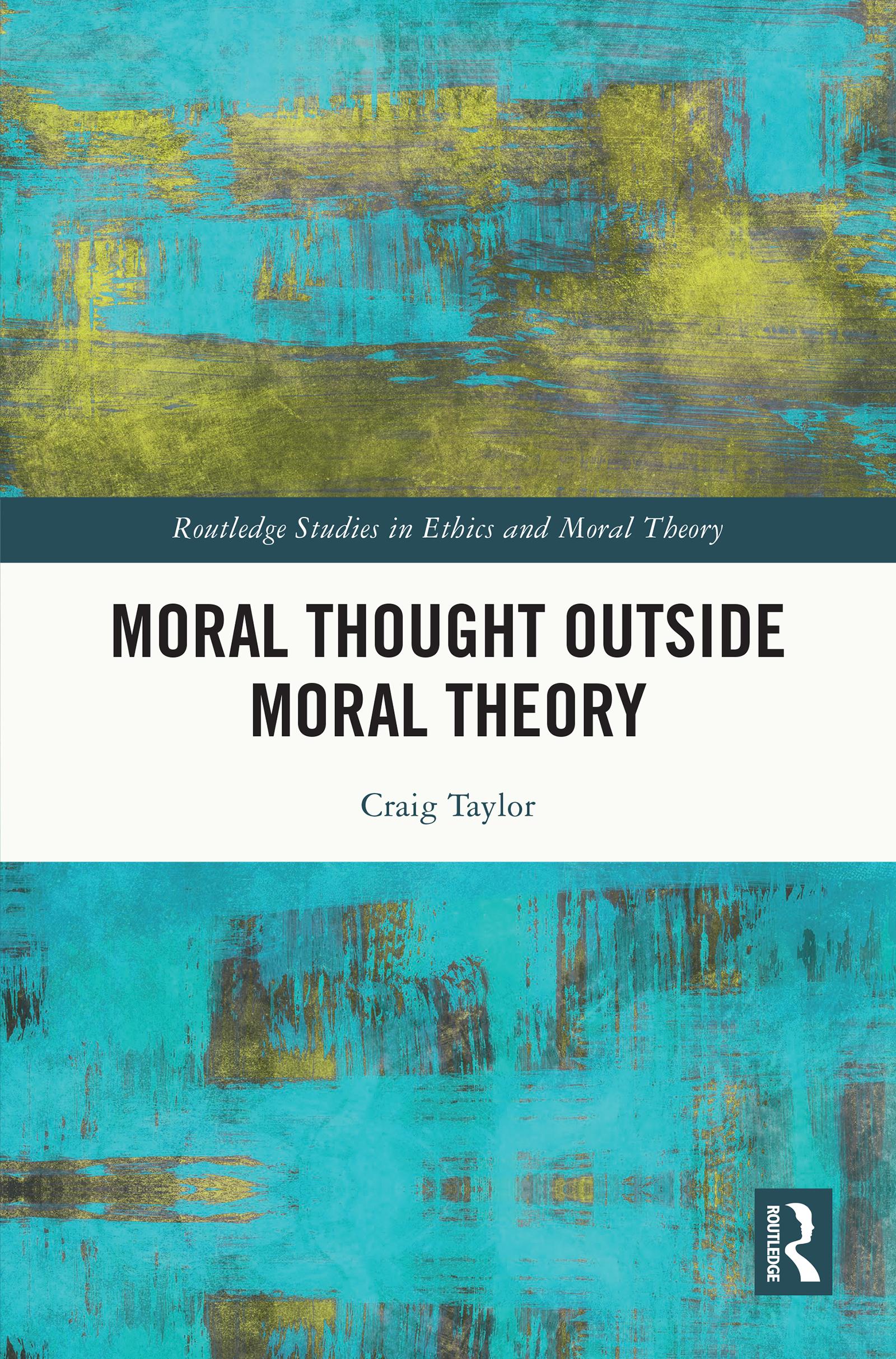
This book argues there can be no theory of ethics and that any attempt at such a theory ends up distorting the moral phenomena that it is supposed to explain. It presents clear examples of moral thought outside moral theorising through literature and Wittgenstein’s later philosophy.
The book’s precise target is moral theory understood as a theory of right action. The author begins by arguing against the assumption central to moral theory that moral judgments are universalizable; that what it is right for one agent to do in a given situation is what is right for any agent in that same situation. Rather, moral judgements are essentially first personal. The author's specific contention here is that our understanding of moral thought in literature provides grounds for rejecting the assumption that moral judgements are universalizable. The author then goes on to argue that there is some determinate and objective content to ethics connected to recognising another human being as a limit to our will. He presents several literary examples that have influenced his thinking about the nature of moral value. He combines these readings with insights from Wittgenstein’s later writings to demonstrate the ways in which moral theorising fails to capture important aspects of moral thought.
Moral Thought Outside Moral Theory will be of interest to scholars and advanced students working in ethics and moral theory, literature and philosophy, and Wittgenstein.
Pay easily by card, Klarna, Apple Pay or Google Pay. Not happy? You always have a 14-day money-back guarantee. Read more in our terms. If you have any questions, email us at hello@memmo.org.
Memmo makes studying easier – wherever you are in the world. We bring your course books and smart study tools together in one place: summaries, quizzes, podcasts and flashcards. Plus Ted, your study buddy who answers anything you wonder. Over 50,000 students already study here – built to help you learn faster and stress less.