
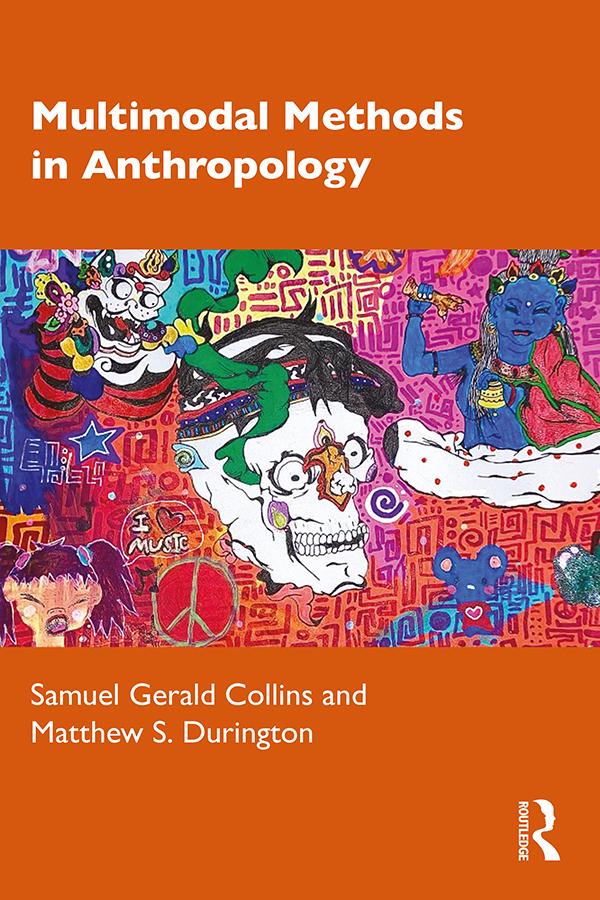
Multimodal Methods in Anthropology develops several goals simultaneously. First, it is an introduction to the ways that multimodality might work for students and practitioners of anthropology, using multiple examples from the authors’ research and from the field. Second, the book carefully examines the ethics of a multimodal project, including the ways in which multimodality challenges and reproduces “digital divides.” Finally, the book is a theoretical introduction that repositions the history of anthropology along axes of multimodality and reframes many of the essential questions in anthropology alongside collaboration and access. Each chapter introduces new methods and techniques, frames the ethical considerations, and contextualizes the method in the work of other anthropologists. Multimodal Methods in Anthropology takes both students and practitioners through historical and contemporary sites of multimodality and introduces the methodological and theoretical challenges of multimodal anthropology in a digital world. Like multimodality itself, readers will come away with new ideas and new perspectives on established ideas, together with the tools to make them part of their practice. It is an ideal text for a variety of methods-based courses in anthropology and qualitative research at both the undergraduate and the graduate level.
Pay easily by card, Klarna, Apple Pay or Google Pay. Not happy? You always have a 14-day money-back guarantee. Read more in our terms. If you have any questions, email us at hello@memmo.org.
Memmo makes studying easier – wherever you are in the world. We bring your course books and smart study tools together in one place: summaries, quizzes, podcasts and flashcards. Plus Ted, your study buddy who answers anything you wonder. Over 50,000 students already study here – built to help you learn faster and stress less.