
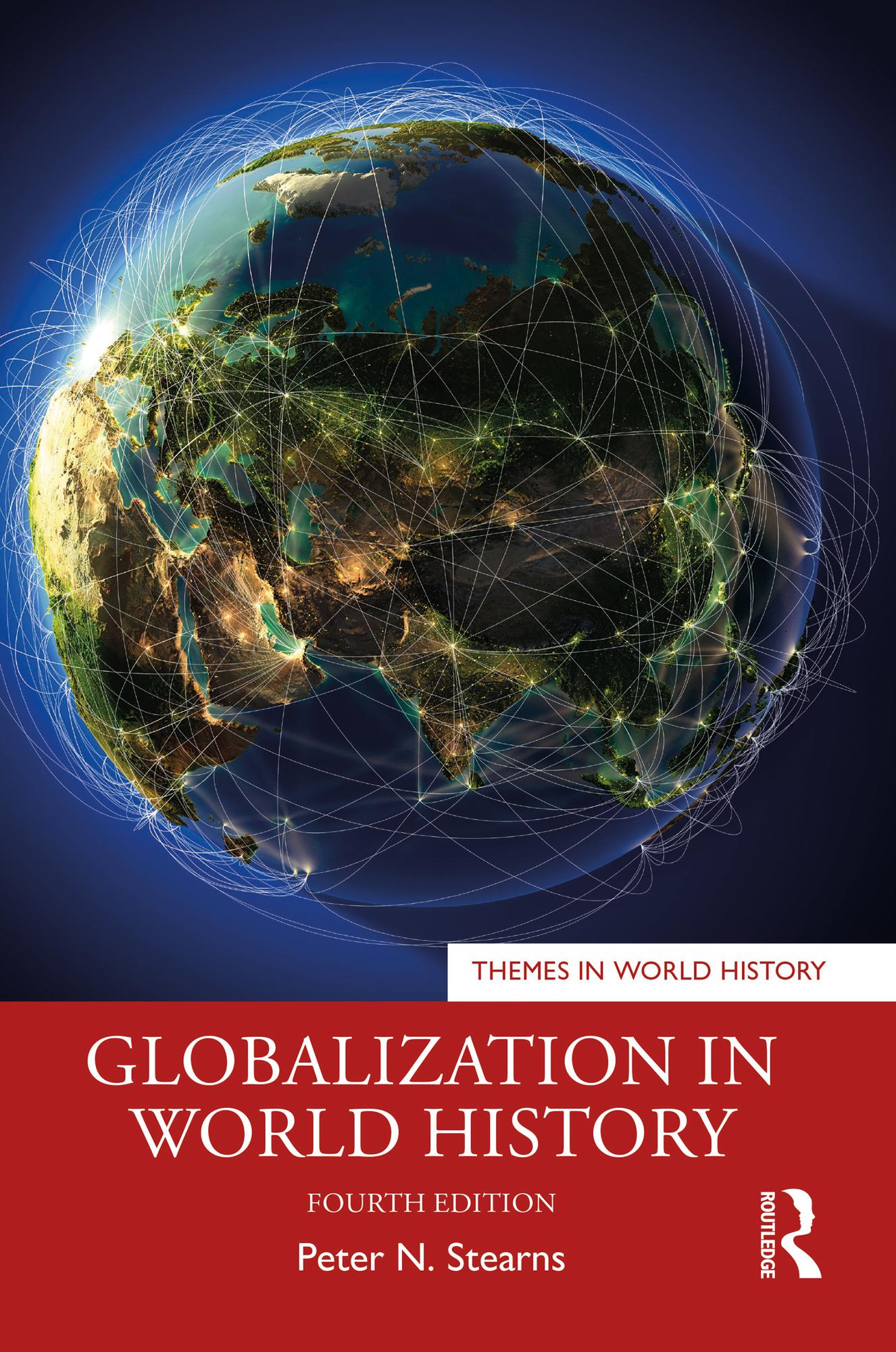
In this fully revised fourth edition, this book treats globalization from several vantage points, showing how these help grasp the nature of globalization both in the past and today.
The revisions include greater attention to the complications of racism (after 1500) and nationalism (after 1850); further analysis of reactions against globalization after World War I and in the 21st century; more discussion of student exchanges; and fuller treatment of developments since 2008, including the role of the Covid-19 pandemic in contemporary globalization.
Four major chronological phases are explored: in the centuries after 1000 CE, after 1500, after 1850, and since the mid-20th century. Discussion of each phase includes relevant debates over the nature and extent of the innovations involved, particularly in terms of transportation/communications technologies and trade patterns. The phase approach also facilitates analysis of the range of interactions enmeshed in globalization, beyond trade and migration, including disease exchange, impacts on culture and consumer tastes, and for the modern periods policy coordination and international organizations. Finally, the book deals with different regional positions and reactions in each of the major phases. This includes not only imbalances of power and economic benefit but also regional styles in dealing with the range of global relationships.
This volume is essential reading for undergraduate and postgraduate students of world history, economic history, and political economy.
Pay easily by card, Klarna, Apple Pay or Google Pay. Not happy? You always have a 14-day money-back guarantee. Read more in our terms. If you have any questions, email us at hello@memmo.org.
Memmo makes studying easier – wherever you are in the world. We bring your course books and smart study tools together in one place: summaries, quizzes, podcasts and flashcards. Plus Ted, your study buddy who answers anything you wonder. Over 50,000 students already study here – built to help you learn faster and stress less.