
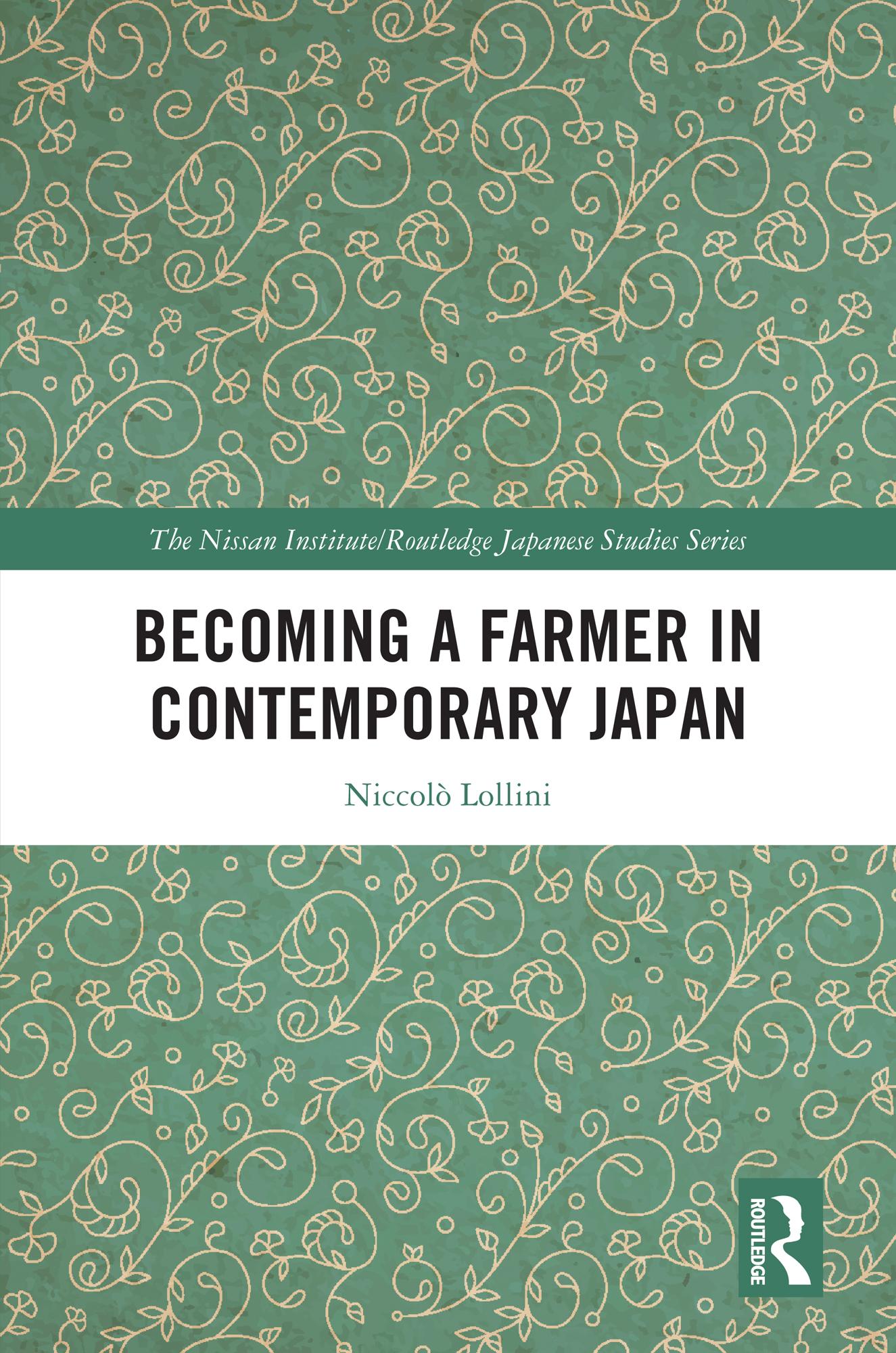
Based on ethnographic fieldwork conducted in an agricultural cooperative running a training programme for aspiring farmers, this book explores the possibilities of agrarian and land-based modes of livelihood in contemporary Japan.
The book is organised around the four key hurdles faced by new agricultural entrants: the acquisition of land and housing, farming know-how, capital, and market outlets. New farmers look with fresh eyes at agricultural issues, and their experiences provide a vantage point over the institutions shaping rural and agricultural life. The book documents the mounting problem of land and house abandonment in regional Japan, the role of agriculture in the revitalisation of rural communities, and the transformation of Japan’s agrifood system. To avoid reinforcing Japan’s exceptionalism, agricultural policy, farming practices, and fresh food distribution are analysed from a comparative perspective, shedding new light on processes of agrarian change in developed market economies.
Providing an in-depth insight into pro-rural migration in the face of Japan’s shrinking regions and its declining agricultural sector, this book will be a valuable resource for students and scholars of Japanese society, agrarian policy, and rural sociology.
Pay easily by card, Klarna, Apple Pay or Google Pay. Not happy? You always have a 14-day money-back guarantee. Read more in our terms. If you have any questions, email us at hello@memmo.org.
Memmo makes studying easier – wherever you are in the world. We bring your course books and smart study tools together in one place: summaries, quizzes, podcasts and flashcards. Plus Ted, your study buddy who answers anything you wonder. Over 50,000 students already study here – built to help you learn faster and stress less.