
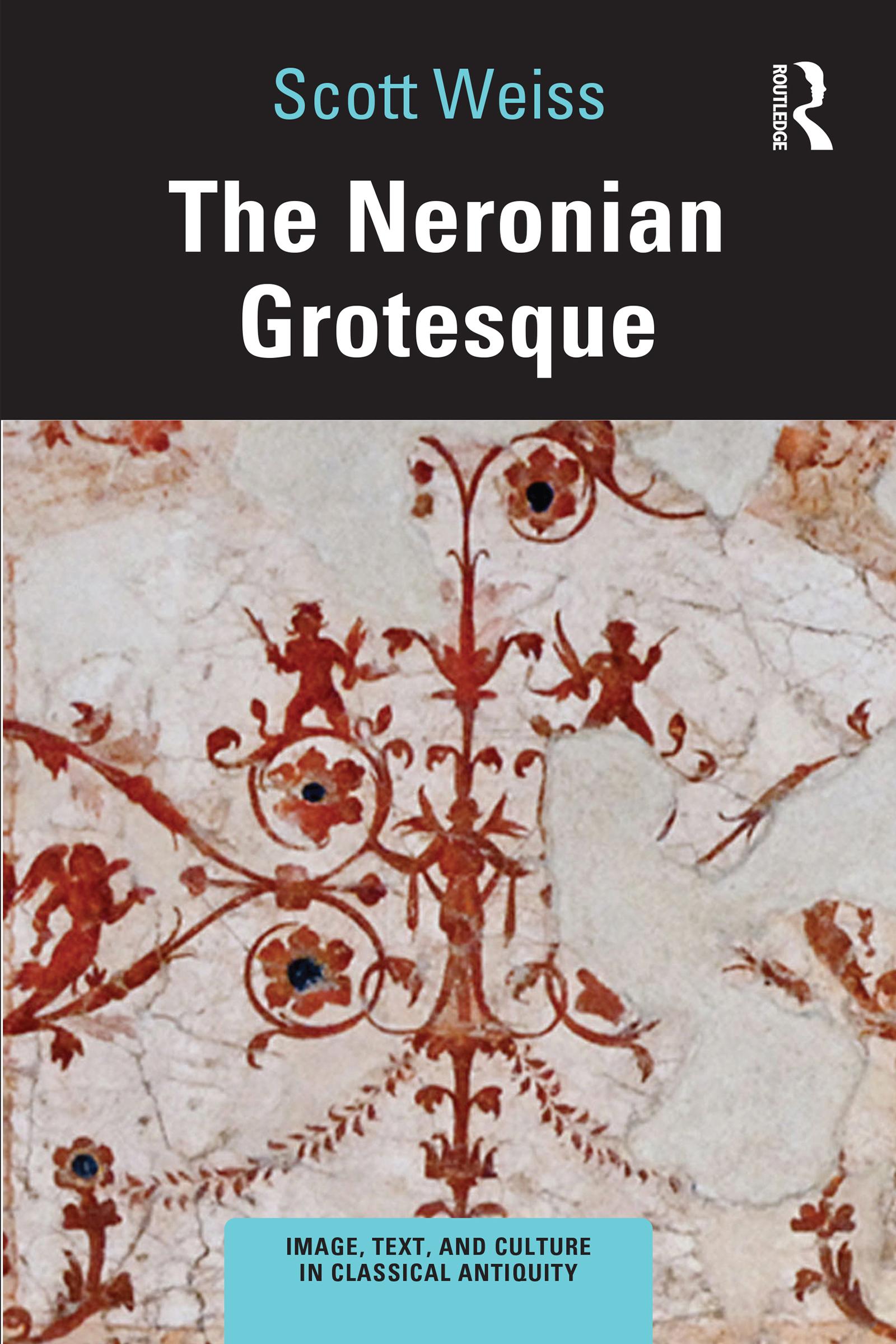
During the reign of Nero, Roman culture produced some of its most spectacular works of art and literature, and some of its strangest. This study explores these effects across textual and visual media in an integrated way.
Weiss' analysis allows for appreciation of the shared strategies of composition, overlaps between literary and visual rhetoric, the role of context in shaping the reception of a work, and the authority of the reader/viewer to generate meaning. The volume offers an account of Roman visual-literary interactions in the mid-first century ᴄᴇ that considers these dynamics as informing broad cultural phenomena. The results reveal features pervasive in a literary and artistic culture invested in exploring the edges of expression.
The Neronian Grotesque is a fascinating study on the literary and artistic production in the Neronian period, and has wider implications for anyone working in the field of Roman cultural history and visual studies more broadly.
Pay easily by card, Klarna, Apple Pay or Google Pay. Not happy? You always have a 14-day money-back guarantee. Read more in our terms. If you have any questions, email us at hello@memmo.org.
Memmo makes studying easier – wherever you are in the world. We bring your course books and smart study tools together in one place: summaries, quizzes, podcasts and flashcards. Plus Ted, your study buddy who answers anything you wonder. Over 75,000 students already study here – built to help you learn faster and stress less.