
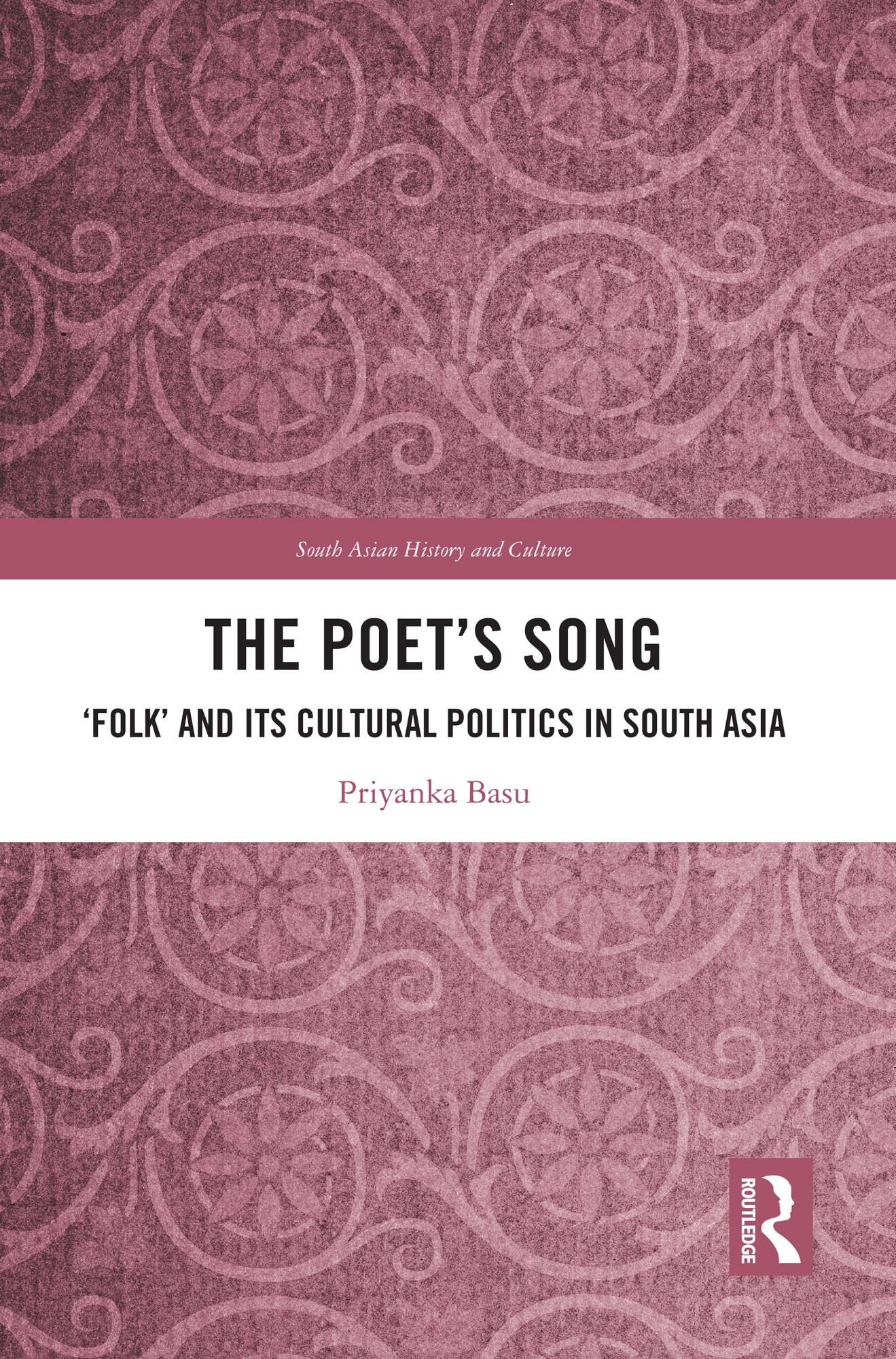
This book explores the ‘folk’ performance genre of Kobigaan, a dialogic song-theatre form in which performers verse-duel in contemporary West Bengal in India and Bangladesh.
The book shows how the genre, thought to be a nearly extinct form, is still prevalent in the region. The author shows how, like many other ‘folk’ practices in South and South-East Asia, the content and format of this genre has undergone vital changes, thus raising questions of authenticity, patronage, and cultural politics. She captures live performances of Kobigaan through ethnographies spread across borders—from village rituals to urban festivals, and from Bengali cinema to television and new media. While understanding Kobigaan from the practitioners’ points of view, this book also explores the crucial issues of gender, marginalisation, and representation that are true of any performance genre. Drawing on case studies, it underlines the issues of artistic agency, empowerment, cultural labour and heritage, rituals, authenticity, creative industries, media, gender, and identity politics.
Part of the South Asian History and Culture series, this book is a major intervention in South Asian folklore and performance studies. It also expands into the larger disciplines of literature, social and cultural movements in South Asia, ethnomusicology, and the politics of performance.
Pay easily by card, Klarna, Apple Pay or Google Pay. Not happy? You always have a 14-day money-back guarantee. Read more in our terms. If you have any questions, email us at hello@memmo.org.
Memmo makes studying easier – wherever you are in the world. We bring your course books and smart study tools together in one place: summaries, quizzes, podcasts and flashcards. Plus Ted, your study buddy who answers anything you wonder. Over 75,000 students already study here – built to help you learn faster and stress less.