
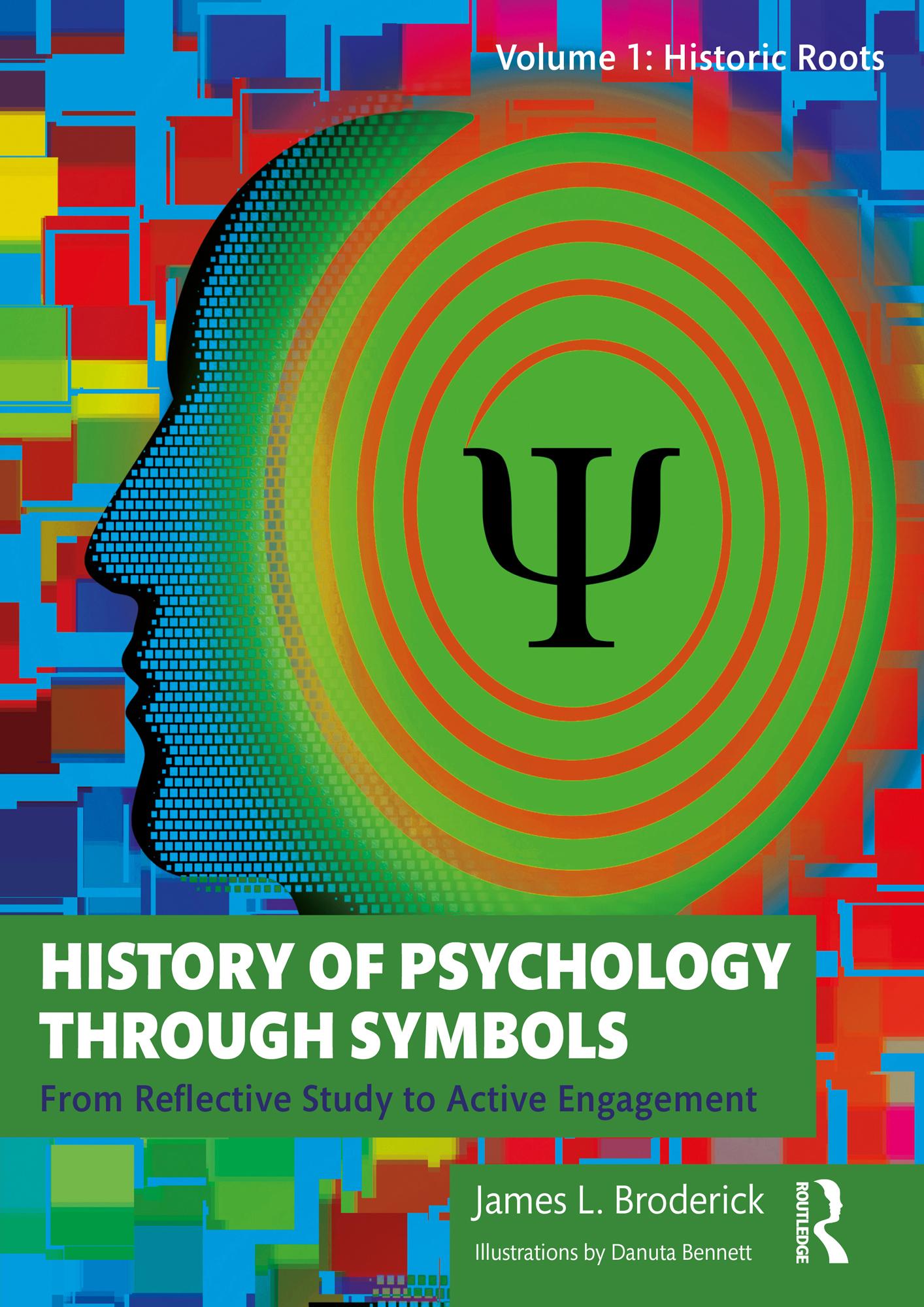
Volume One of The History of Psychology through Symbols provides a groundbreaking approach by expanding the roots of psychology beyond the Greeks to concurrent events during the same period (800 BCE–200 BCE), defined as the Axial Age by German-Swiss psychiatrist Karl Jaspers.
The Axial Age emphasized seeking the universal connection that unites all humanity, a focus not on what one believed, but how one lived. This includes the human desire to connect to something greater, the totality of being human, explained by using symbols, the universal language. This volume describes the psychological implications of the Axial Age through the developments of Buddhism, Hinduism, Confucianism, Daoism, Judaism, and Zoroastrianism, as well as Greek thought. Rooted in the Axial Age, Volume One explores how the Christian and Islamic eras influenced psychology, which resulted in the Renaissance and the Scientific Revolution, which provided the historic roots of modern psychology. Rejecting the idea that science transcends historical events, this volume provides a political, socioeconomic, and cultural context for all the historic developments. The chapter on the history of mental illness provides inspiration for a new mental health system with specific recommendations for radical system reform. In the spirit of the Axial Age on the importance of how one lives, there is an emphasis on engagement with symbols and with specific exercises, called emancipatory opportunities, to apply the lessons of psychological history to daily life.
This book is ideal for those seeking a dynamic and engaging way of learning about or teaching the history of psychology and would also be of interest to students, practitioners, and scholars of science, philosophy, history and systems, religious studies, art, and mental health and drug and alcohol treatment, as well as those interested in applying the lessons of history to daily life.
Learn more about this groundbreaking text and its symbols on the special website: www.psychologyandsymbols.com.
Pay easily by card, Klarna, Apple Pay or Google Pay. Not happy? You always have a 14-day money-back guarantee. Read more in our terms. If you have any questions, email us at hello@memmo.org.
Memmo makes studying easier – wherever you are in the world. We bring your course books and smart study tools together in one place: summaries, quizzes, podcasts and flashcards. Plus Ted, your study buddy who answers anything you wonder. Over 50,000 students already study here – built to help you learn faster and stress less.