
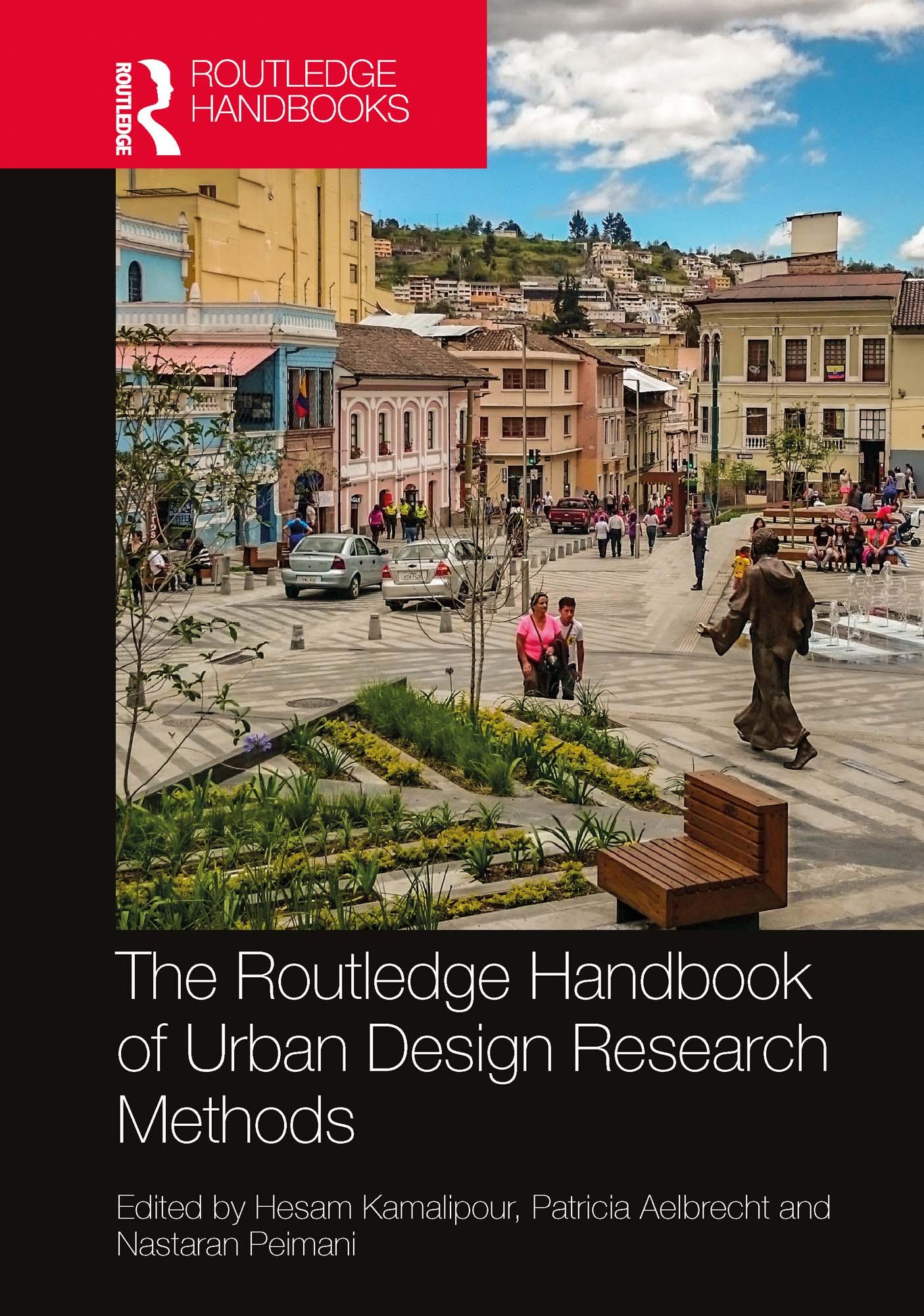
As an evolving and contested field, urban design has been made, unmade, and remade at the intersections of multiple disciplines and professions. It is now a decisive moment for urban design to reflect on its rigour and relevance. This handbook is an attempt to seize this moment for urban design to further develop its theoretical and methodological knowledge base and engage with the question of "what urban design can be" with a primary focus on its research.
This handbook includes contributions from both established and emerging scholars across the global North and global South to provide a more field-specific entry point by introducing a range of topics and lines of inquiry and discussing how they can be explored with a focus on the related research designs and methods. The specific aim, scope, and structure of this handbook are appealing to a range of audiences interested and/or involved in shaping places and public spaces.
What makes this book quite distinctive from conventional handbooks on research methods is the way it has been structured in relation to some key research topics and questions in the field of urban design regarding the issues of agency, affordance, place, informality, and performance. In addition to the introduction chapter, this handbook includes 80 contributors and 52 chapters organised into five parts. The commissioned chapters showcase a wide range of topics, research designs, and methods with references to relevant scholarly works on the related topics and methods.
Pay easily by card, Klarna, Apple Pay or Google Pay. Not happy? You always have a 14-day money-back guarantee. Read more in our terms. If you have any questions, email us at hello@memmo.org.
Memmo makes studying easier – wherever you are in the world. We bring your course books and smart study tools together in one place: summaries, quizzes, podcasts and flashcards. Plus Ted, your study buddy who answers anything you wonder. Over 75,000 students already study here – built to help you learn faster and stress less.