
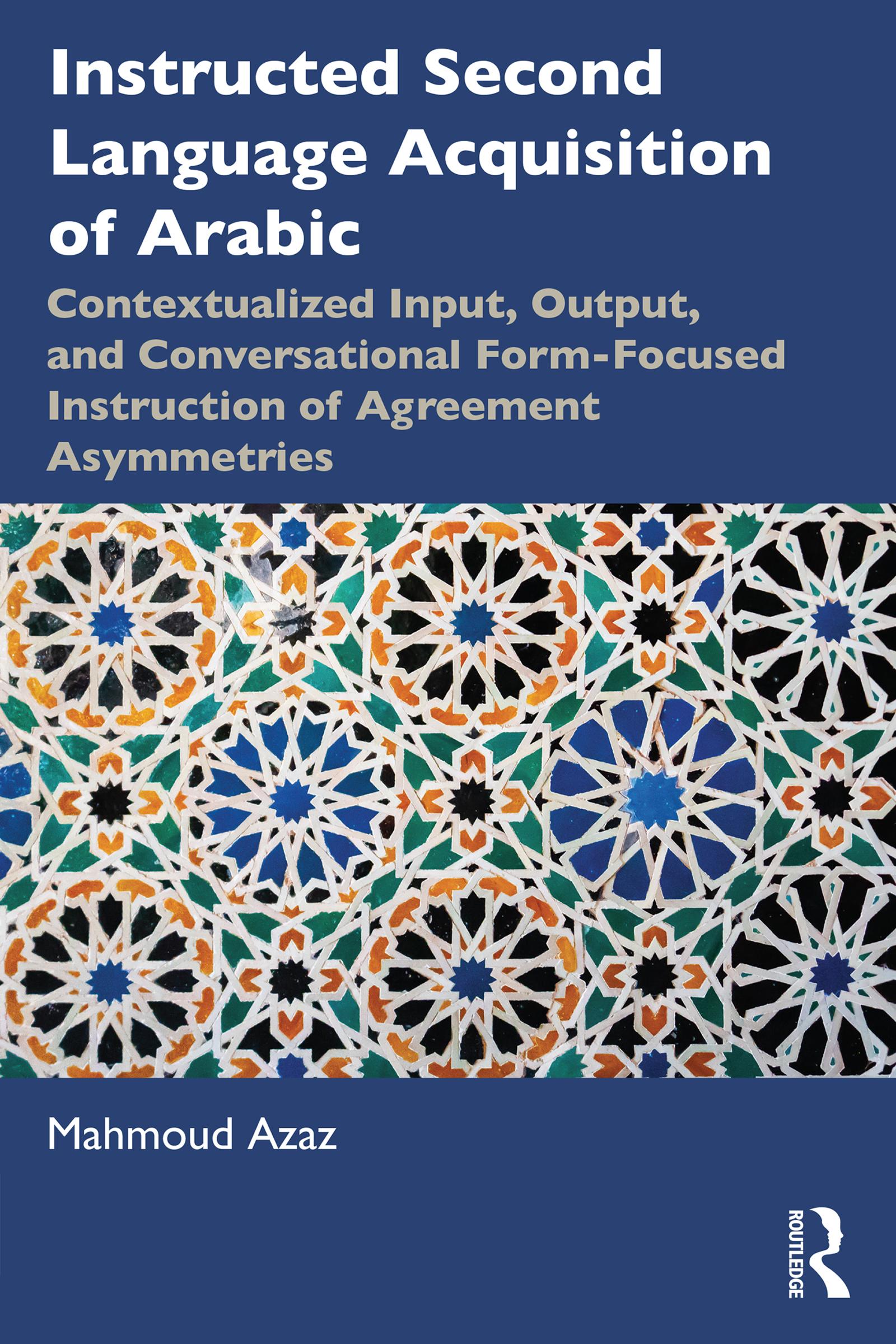
Instructed Second Language Acquisition of Arabic examines the acquisition of agreement asymmetries in the grammatical system of Arabic as a second/foreign language through the lens of instructed second language acquisition.
The book explores how to improve the processes of L2 learning of Arabic using evidence-based classroom research. Before it does this, it characterizes the variable challenges that English L2 learners of Arabic face when they acquire four structural cases in Arabic grammar that entail agreement asymmetries. Using the pretest–posttest design, it examines the effects of four classroom interventions using quantitative and qualitative measures. In these interventions, form-based and meaning-based measures were used to reveal to what degree learners have developed explicit and implicit knowledge of these aspects of asymmetry. In the concluding chapter, the book provides focused and specific implications based on the results of the four studies. It provides theoretical implications that enrich the discussions of instructed second language Acquisition in Arabic and other languages more broadly. It also provides implications for teachers, curriculum designers, and textbook writers of Arabic.
This book will be informative for Arabic applied linguists, researchers of Arabic SLA, Arabic instructors (at the K–12 and the college level), and Arabic program directors and coordinators. The book will also appeal to all SLA and ISLA researchers.
Pay easily by card, Klarna, Apple Pay or Google Pay. Not happy? You always have a 14-day money-back guarantee. Read more in our terms. If you have any questions, email us at hello@memmo.org.
Memmo makes studying easier – wherever you are in the world. We bring your course books and smart study tools together in one place: summaries, quizzes, podcasts and flashcards. Plus Ted, your study buddy who answers anything you wonder. Over 50,000 students already study here – built to help you learn faster and stress less.