
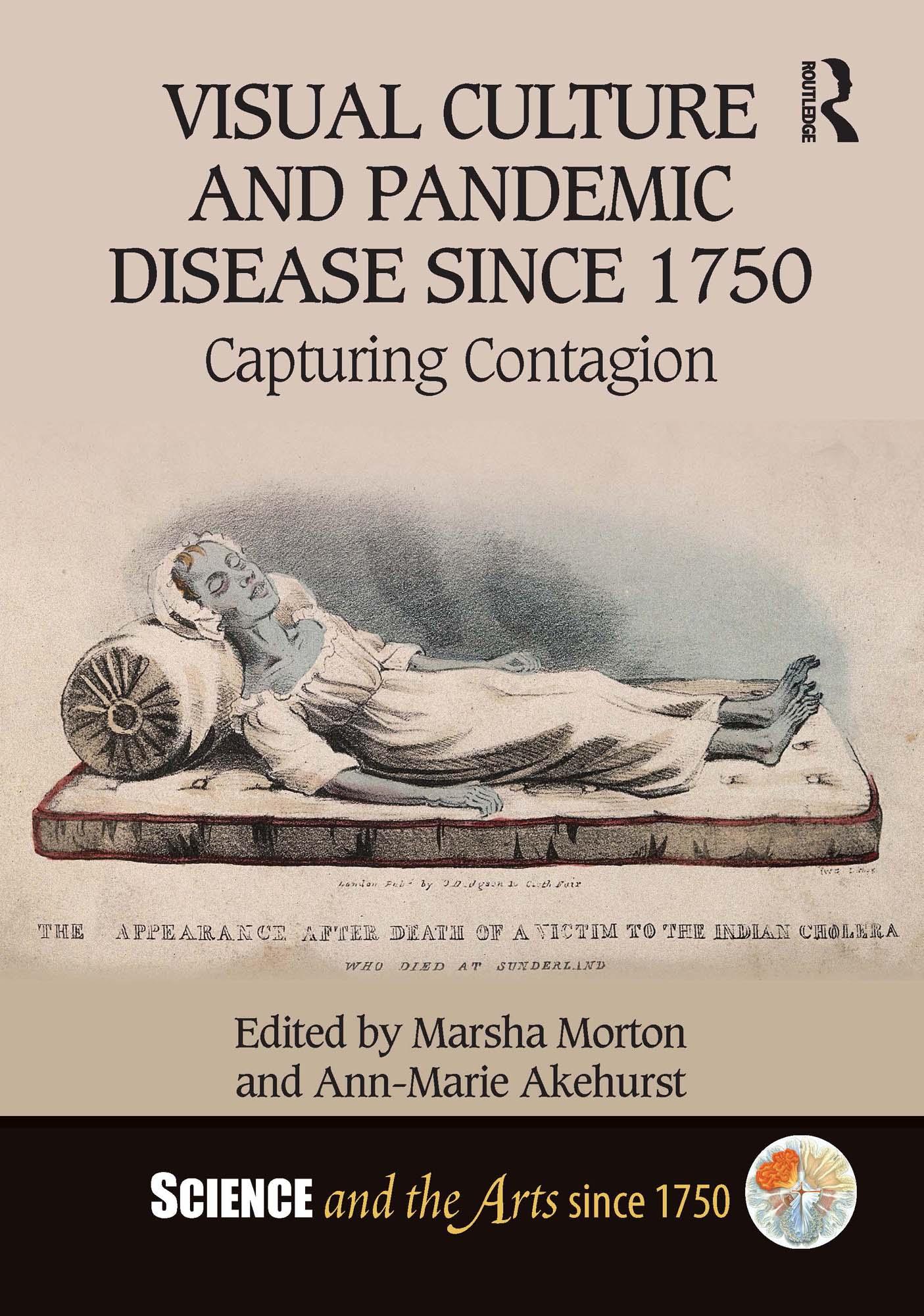
Through case studies, this book investigates the pictorial imaging of epidemics globally, especially from the late eighteenth century through the 1920s when, amidst expanding Western industrialism, colonialism, and scientific research, the world endured a succession of pandemics in tandem with the rise of popular visual culture and new media.
Images discussed range from the depiction of people and places to the invisible realms of pathogens and emotions, while topics include the messaging of disease prevention and containment in public health initiatives, the motivations of governments to ensure control, the criticism of authority in graphic satire, and the private experience of illness in the domestic realm. Essays explore biomedical conditions as well as the recurrent constructed social narratives of bias, blame, and othering regarding race, gender, and class that are frequently highlighted in visual representations.
This volume offers a pictured genealogy of pandemic experience that has continuing resonance. The book will be of interest to scholars working in art history, visual studies, history of medicine, and medical humanities.
Pay easily by card, Klarna, Apple Pay or Google Pay. Not happy? You always have a 14-day money-back guarantee. Read more in our terms. If you have any questions, email us at hello@memmo.org.
Memmo makes studying easier – wherever you are in the world. We bring your course books and smart study tools together in one place: summaries, quizzes, podcasts and flashcards. Plus Ted, your study buddy who answers anything you wonder. Over 50,000 students already study here – built to help you learn faster and stress less.