
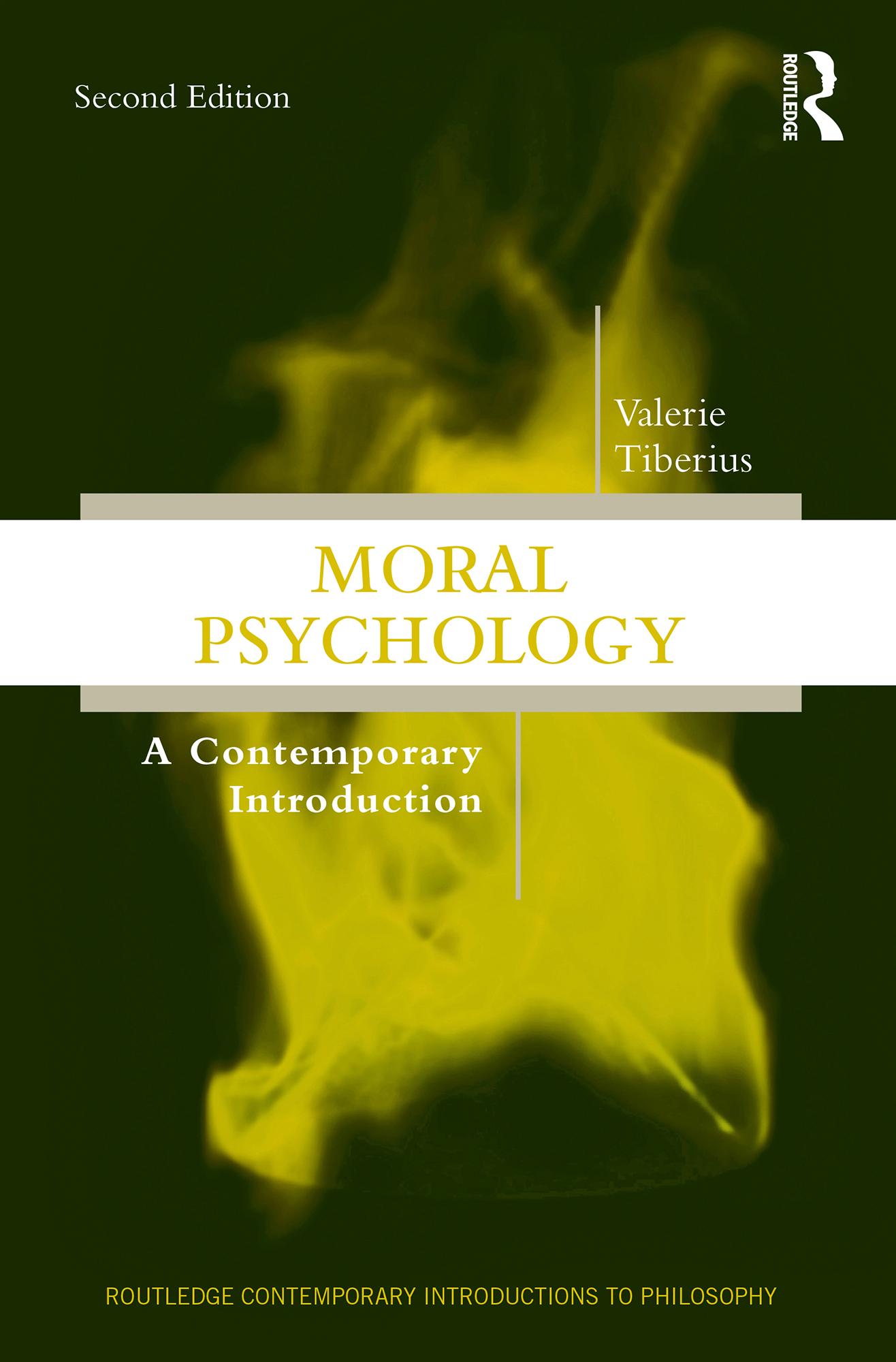
Released in 2014, this was the first philosophy textbook in moral psychology, introducing students to a range of philosophical topics and debates such as: what is moral motivation? Do reasons for action always depend on desires? Is emotion or reason at the heart of moral judgment? Under what conditions are people morally responsible? Are there self-interested reasons for people to be moral?
The Second Edition of Moral Psychology: A Contemporary Introduction, updates its responses to these questions, taking advantage of the explosion of recent research from philosophers and psychologists on these topics, and adding a chapter on the question of whether morality is innate or learned. As before, the book emphasizes the relationship between traditional and interdisciplinary approaches to moral psychology and aims to carefully explain how empirical research is (or is not) relevant to philosophical inquiry. The bulleted summaries, study questions, and lists for further readings at the end of each chapter have been updated.
Key Updates to the Second Edition:
- Includes a new opening section on human nature, borrowing material from elsewhere in the book
- Adds a new chapter on evolutionary and developmental arguments for the innateness of morality
- Expands coverage of the challenges to psychological research, including the replication crisis and the WEIRDness challenge
- Provides a new section on implicit bias and moral responsibility
- Offers enhanced clarity and accessibility throughout
- Includes up-to-date further reading sections and bibliography
Pay easily by card, Klarna, Apple Pay or Google Pay. Not happy? You always have a 14-day money-back guarantee. Read more in our terms. If you have any questions, email us at hello@memmo.org.
Memmo makes studying easier – wherever you are in the world. We bring your course books and smart study tools together in one place: summaries, quizzes, podcasts and flashcards. Plus Ted, your study buddy who answers anything you wonder. Over 50,000 students already study here – built to help you learn faster and stress less.