
This new 3-volume set provides informative reviews on the physiology of sponges, cnidarians, round and flat worms, annelids, echinoderms, and crustaceans, advancing our knowledge of the physiology of these major invertebrate groups (Phyla). Invertebrates exhibit the largest number of species and occupy virtually every conceivable ecological niche. They are economically important in food chains, they recycle organic waste, and they are crucial pollinators of plants and sources of food. They are also medically relevant as parasites that cause major diseases of both humans and livestock.
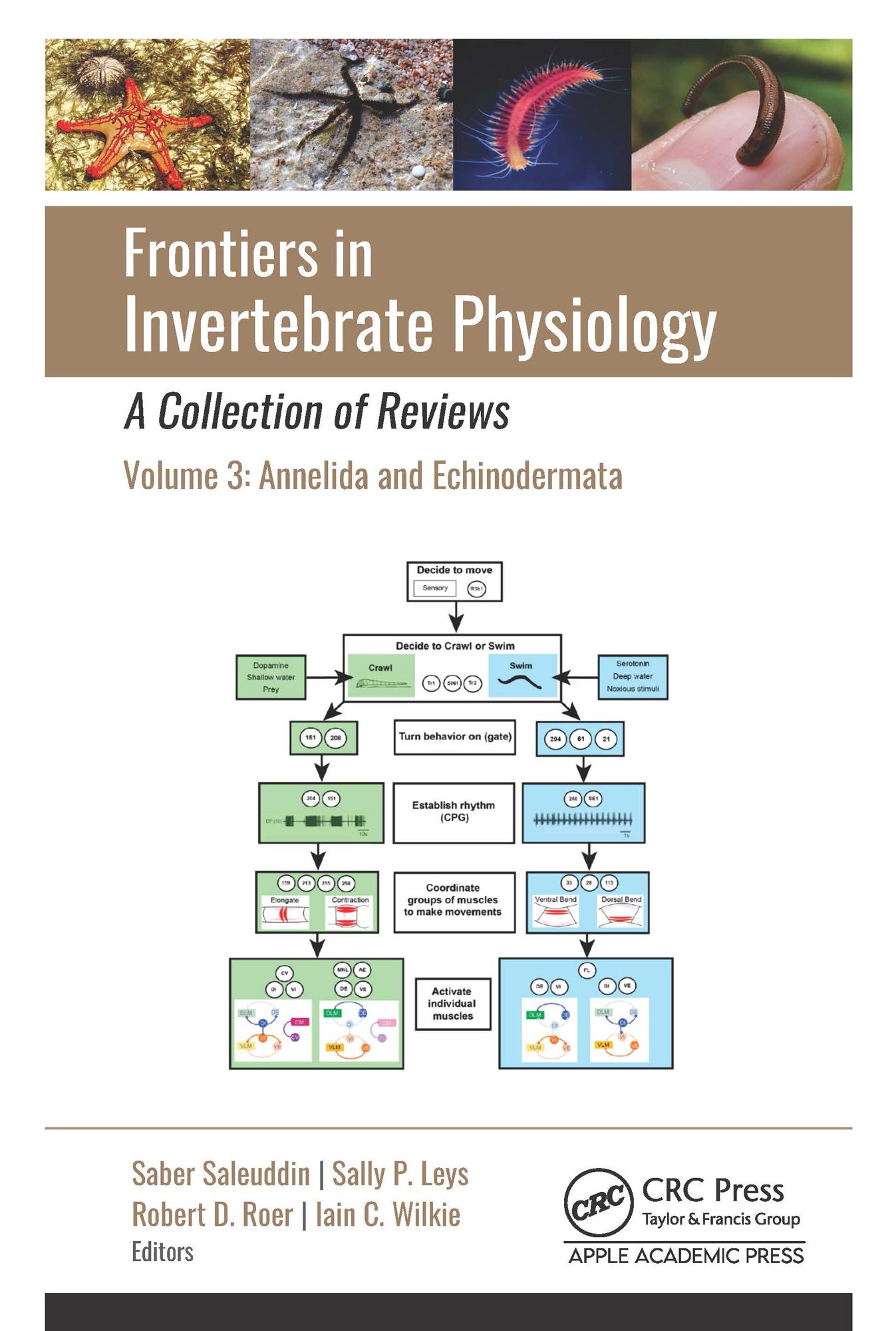
Echinoderms and annelids are covered in Volume 3. The volume looks at temporary adhesion and regeneration as two important areas in echinoderm biology. It includes an important review of juxtaligamental cells, which may regulate the mechanical properties of connective tissue. Annelid physiology is discussed (neurobiology of locomotion in leeches, regeneration, reproduction) as is neuro-endocrine-immune response.
Volume 1 looks at non-bilaterians (sponges, cnidarians, placozoans), while Volume 2 focuses on crustacean physiology, covering diverse physiological topics ranging from moulting, respiration, water balance, biomineralization, bioreceptors, and temperature regulation to the land adaptation of terrestrial crustaceans.
Pay easily by card, Klarna, Apple Pay or Google Pay. Not happy? You always have a 14-day money-back guarantee. Read more in our terms. If you have any questions, email us at hello@memmo.org.
Memmo makes studying easier – wherever you are in the world. We bring your course books and smart study tools together in one place: summaries, quizzes, podcasts and flashcards. Plus Ted, your study buddy who answers anything you wonder. Over 50,000 students already study here – built to help you learn faster and stress less.