
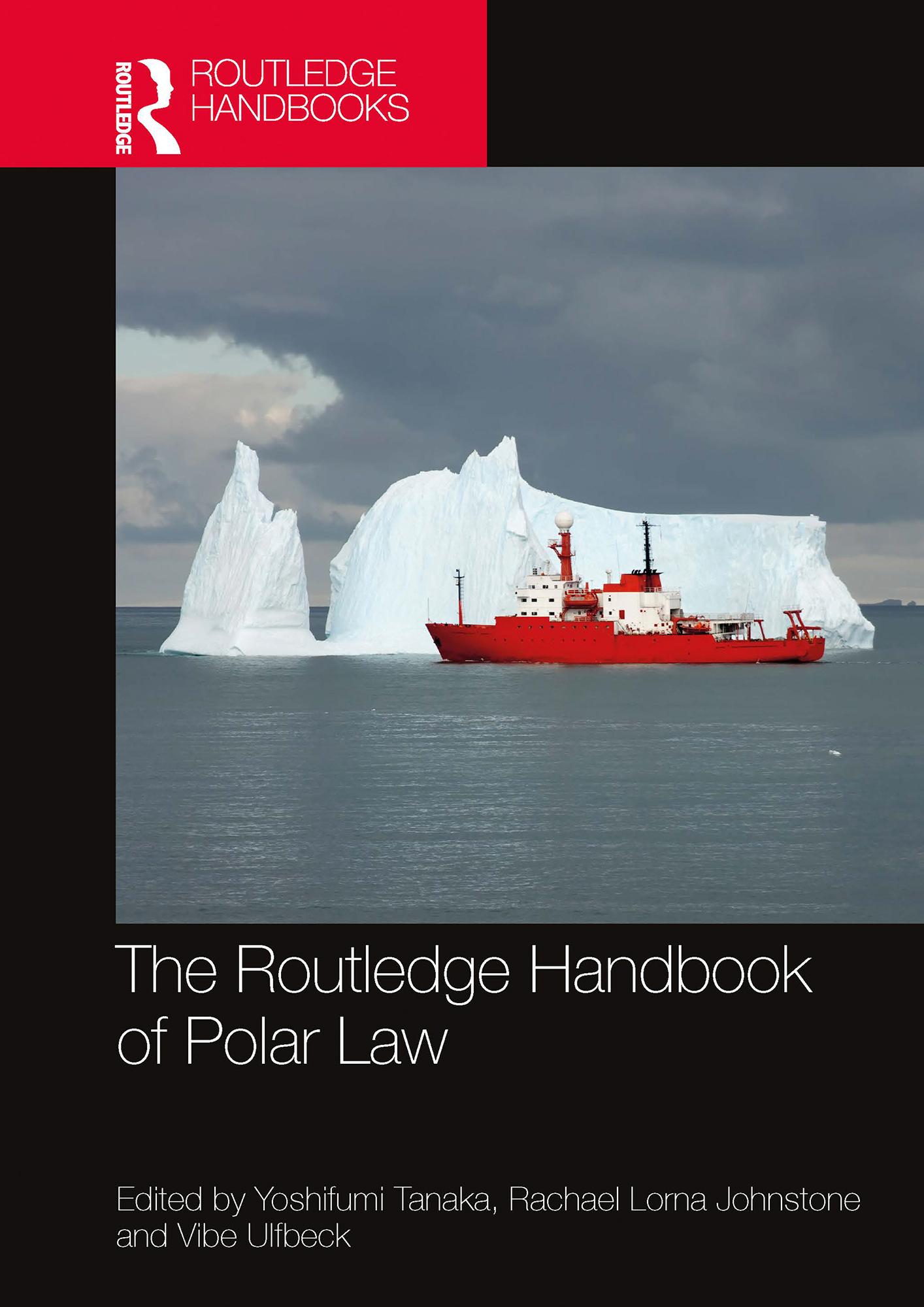
Polar law describes the normative frameworks that govern the relationships between humans, States, Peoples, institutions, land and resources in the Arctic and the Antarctic. These two regions are superficially similar in terms of natural environmental conditions but the overarching frameworks that apply are fundamentally different. The Routledge Handbook of Polar Law explores the legal orders in the Arctic and Antarctic in a comparative perspective, identifying similarities as well as differences. It points to a distinct discipline of "Polar law" as the body of rules governing actors, spaces and institutions at the Poles. Four main features define the collection: the Arctic-Antarctic interface; the interaction between global, regional and domestic legal regimes; the rights of Indigenous Peoples; and the increasing importance of private law. While these broad themes have been addressed to varying extents elsewhere, the editors believe that this Handbook brings them together to create a comprehensive (if never exhaustive) account of what constitutes Polar law today. Leading scholars in public international and private law as well as experts in related fields come together to offer unique insights into polar law as a burgeoning discipline.
Pay easily by card, Klarna, Apple Pay or Google Pay. Not happy? You always have a 14-day money-back guarantee. Read more in our terms. If you have any questions, email us at hello@memmo.org.
Memmo makes studying easier – wherever you are in the world. We bring your course books and smart study tools together in one place: summaries, quizzes, podcasts and flashcards. Plus Ted, your study buddy who answers anything you wonder. Over 50,000 students already study here – built to help you learn faster and stress less.