
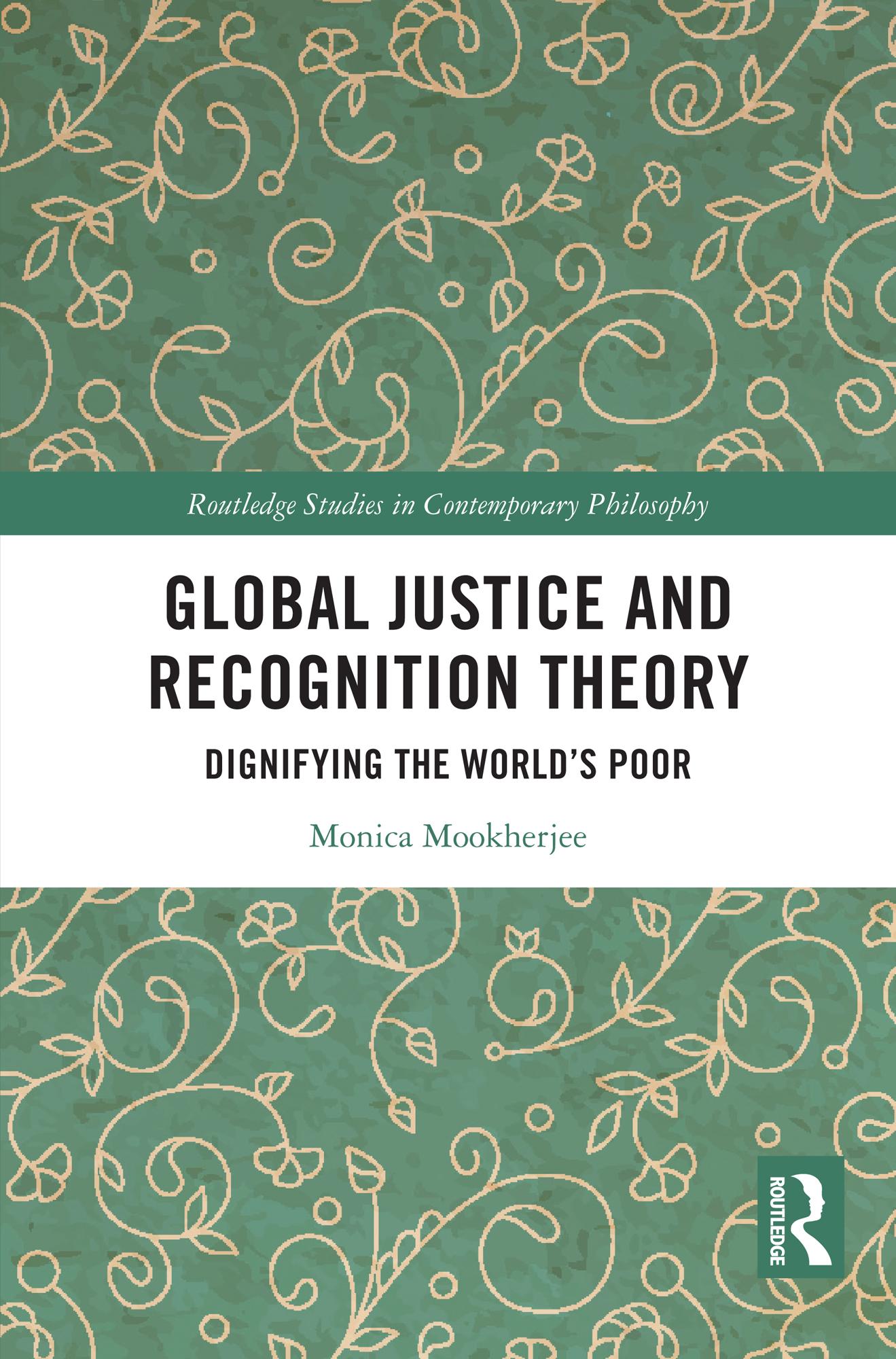
In the light of intense international focus on ongoing forms of world poverty, this book examines the potential of the concept of recognition in contemporary political philosophy to respond morally to this dire condition.
This book uses recognition theories to develop a two-tiered response to the problem of global poverty. First, it highlights non-degradation, non-humiliation and the avoidance of social suffering as essential components to the agency of the very poor. This runs counter to liberal arguments that focus only on the deficit of basic material interests. Second, even if universal conditions of agency are met, many of the world’s extreme poor may still suffer domination. The book argues that empowering the world’s poor to resist domination is an essential response to global poverty. By conceiving poverty in terms of agency and empowerment, this book highlights the transnational relevance of recognition theory to one of the most crucial problems affecting a rapidly globalising world.
Global Justice and Recognition Theory will be of interest to scholars and advanced students working in social and political philosophy, political theory, and global justice.
Pay easily by card, Klarna, Apple Pay or Google Pay. Not happy? You always have a 14-day money-back guarantee. Read more in our terms. If you have any questions, email us at hello@memmo.org.
Memmo makes studying easier – wherever you are in the world. We bring your course books and smart study tools together in one place: summaries, quizzes, podcasts and flashcards. Plus Ted, your study buddy who answers anything you wonder. Over 50,000 students already study here – built to help you learn faster and stress less.