
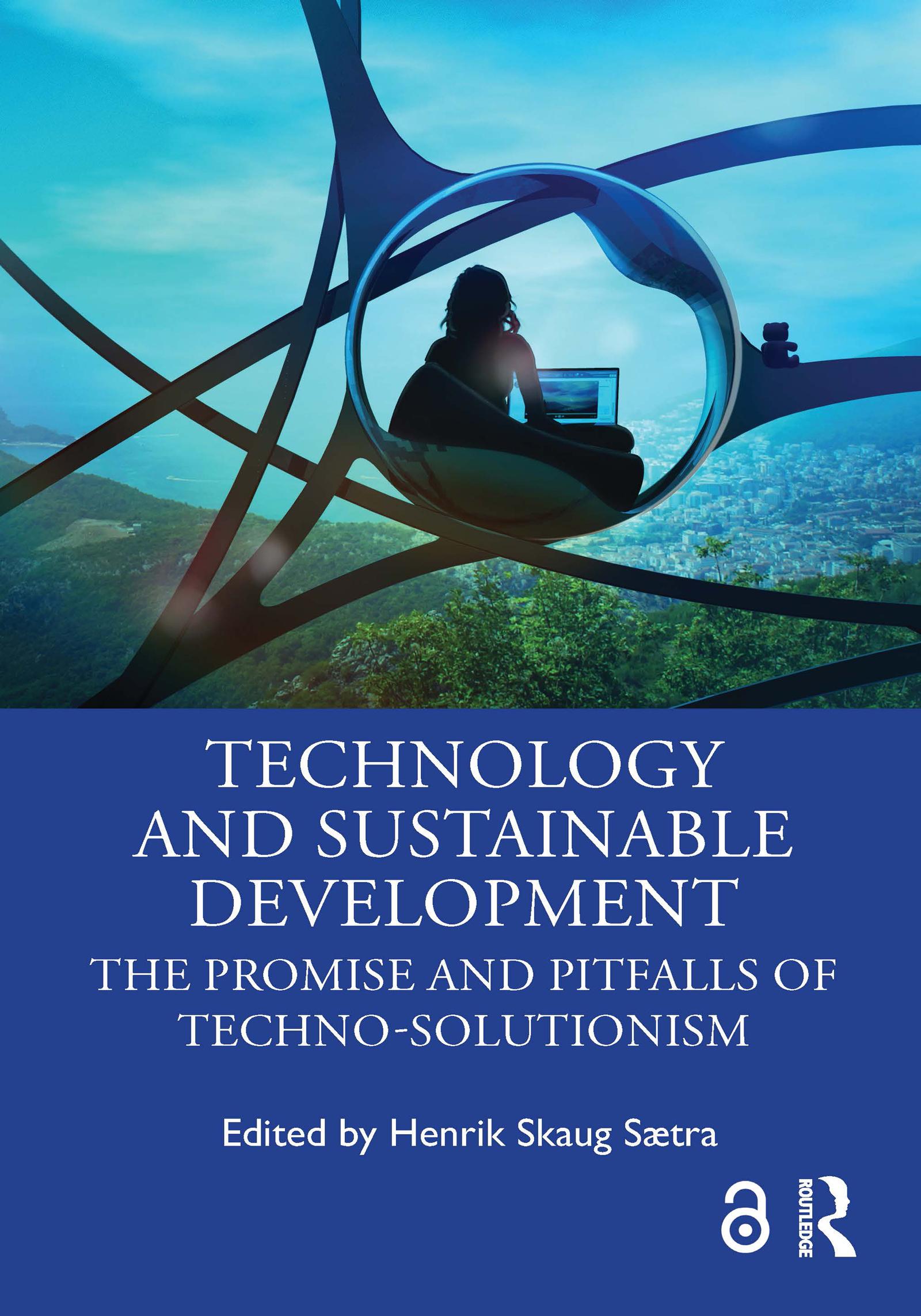
Technological change is at the core of all major disruptions in human history, and
revolutions, wars, and general development are regularly connected to some sort of
technological change. However, not all development is beneficial. While technology has
fueled great innovations and rapid development, the notion of sustainable development
has gained prominence as we now experience serious social, economic, and environmental
challenges.
This book examines whether technology can be used to fix the very problems caused by
technology, as the various chapters examine different aspects related to how technology
has brought us where we are today (which some will say is the best place humanity’s been at
according to a range of metrics), and whether technology helps or hinders us in our efforts
to solve the challenges we currently face. The issues discussed cover the three sustainability
dimensions and include topics such as the materiality of AI, technology in education, AI
for gender equality, innovation and the digital divide, and how technology relates to power,
the political system, and capitalism. The chapters all build on the theoretical backdrop of
technological change, sustainable development, and the UN’s Sustainable Development
Goals are actively used throughout this book, both to examine how these goals capture or
overlook central elements of sustainable development, and also to facilitate and create a
common framework of engagement between the chapters.
This book provides a novel combination of traditional theories that are explored
through different case studies, providing the ground for a better understanding of how
and when technology can – and cannot – be the enabler of sustainable development.
It is thus an important resource for students of all disciplines, technologists, and those
developing and applying new technologies. It is also a valuable resource for politicians
and regulators attempting to harness the power of technology for good, while limiting its
negative potential.
The Open Access version of this book, available at www.taylorfrancis.com, has been
made available under a Creative Commons [Attribution-Non Commercial-No Derivatives
(CC-BY-NC-ND)] 4.0 license. Funded by Østfold University College.
Pay easily by card, Klarna, Apple Pay or Google Pay. Not happy? You always have a 14-day money-back guarantee. Read more in our terms. If you have any questions, email us at hello@memmo.org.
Memmo makes studying easier – wherever you are in the world. We bring your course books and smart study tools together in one place: summaries, quizzes, podcasts and flashcards. Plus Ted, your study buddy who answers anything you wonder. Over 50,000 students already study here – built to help you learn faster and stress less.