
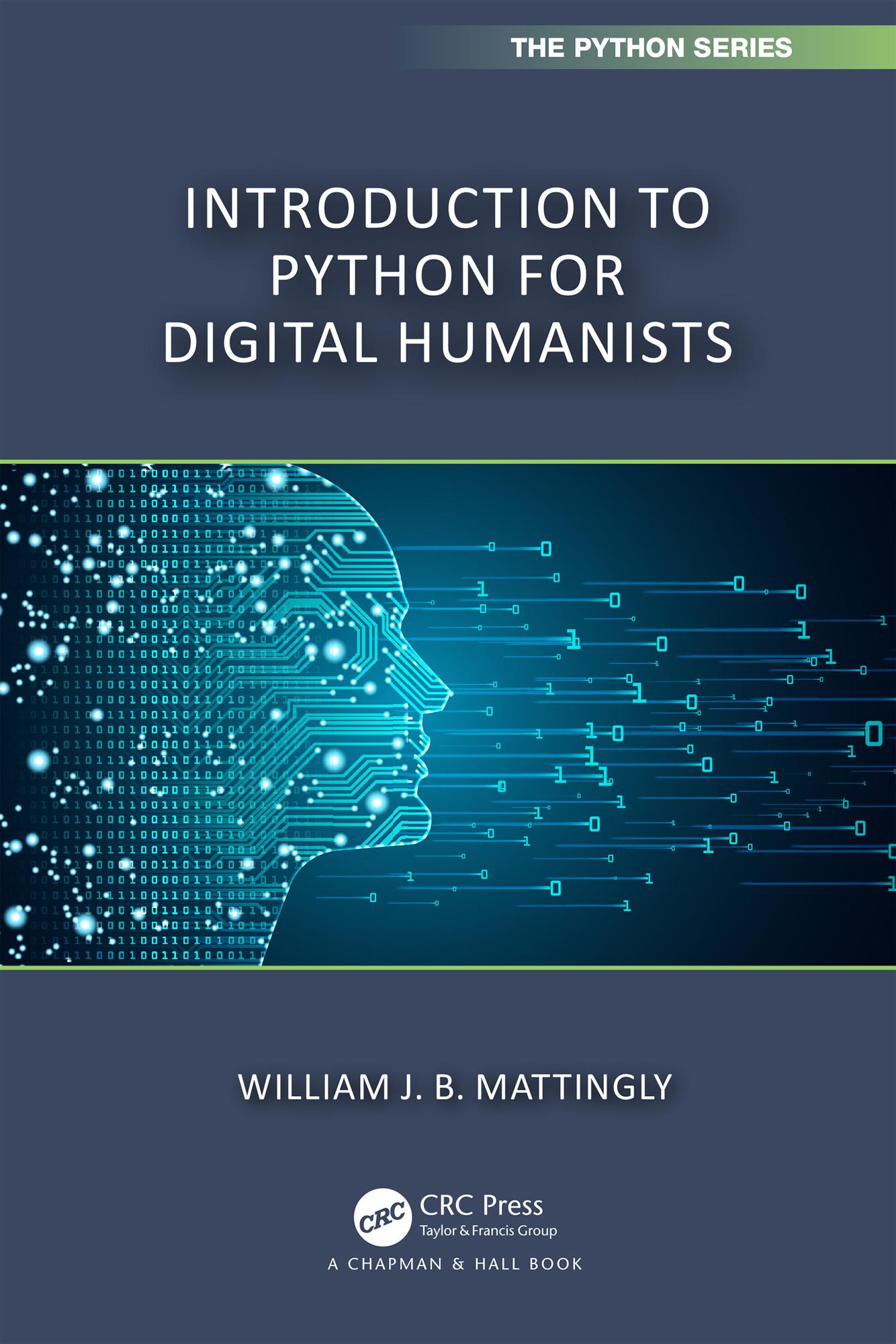
This book will introduce digital humanists at all levels of education to Python. It provides background and guidance on learning the Python computer programming language, and as it presumes no knowledge on the part of the reader about computers or coding concepts allows the reader to gradually learn the more complex tasks that are currently popular in the field of digital humanities. This book will be aimed at undergraduates, graduates, and faculty who are interested in learning how to use Python as a tool within their workflow. An Introduction to Python for Digital Humanists will act as a primer for students who wish to use Python, allowing them to engage with more advanced textbooks. This book fills a real need, as it is first Python introduction to be aimed squarely at humanities students, as other books currently available do not approach Python from a humanities perspective. It will be designed so that those experienced in Python can teach from it, in addition to allowing those who are interested in being self-taught can use it for that purpose.
Key Features:
- Data analysis
- Data science
- Computational humanities
- Digital humanities
- Python
- Natural language processing
- Social network analysis
- App development
Pay easily by card, Klarna, Apple Pay or Google Pay. Not happy? You always have a 14-day money-back guarantee. Read more in our terms. If you have any questions, email us at hello@memmo.org.
Memmo makes studying easier – wherever you are in the world. We bring your course books and smart study tools together in one place: summaries, quizzes, podcasts and flashcards. Plus Ted, your study buddy who answers anything you wonder. Over 75,000 students already study here – built to help you learn faster and stress less.