
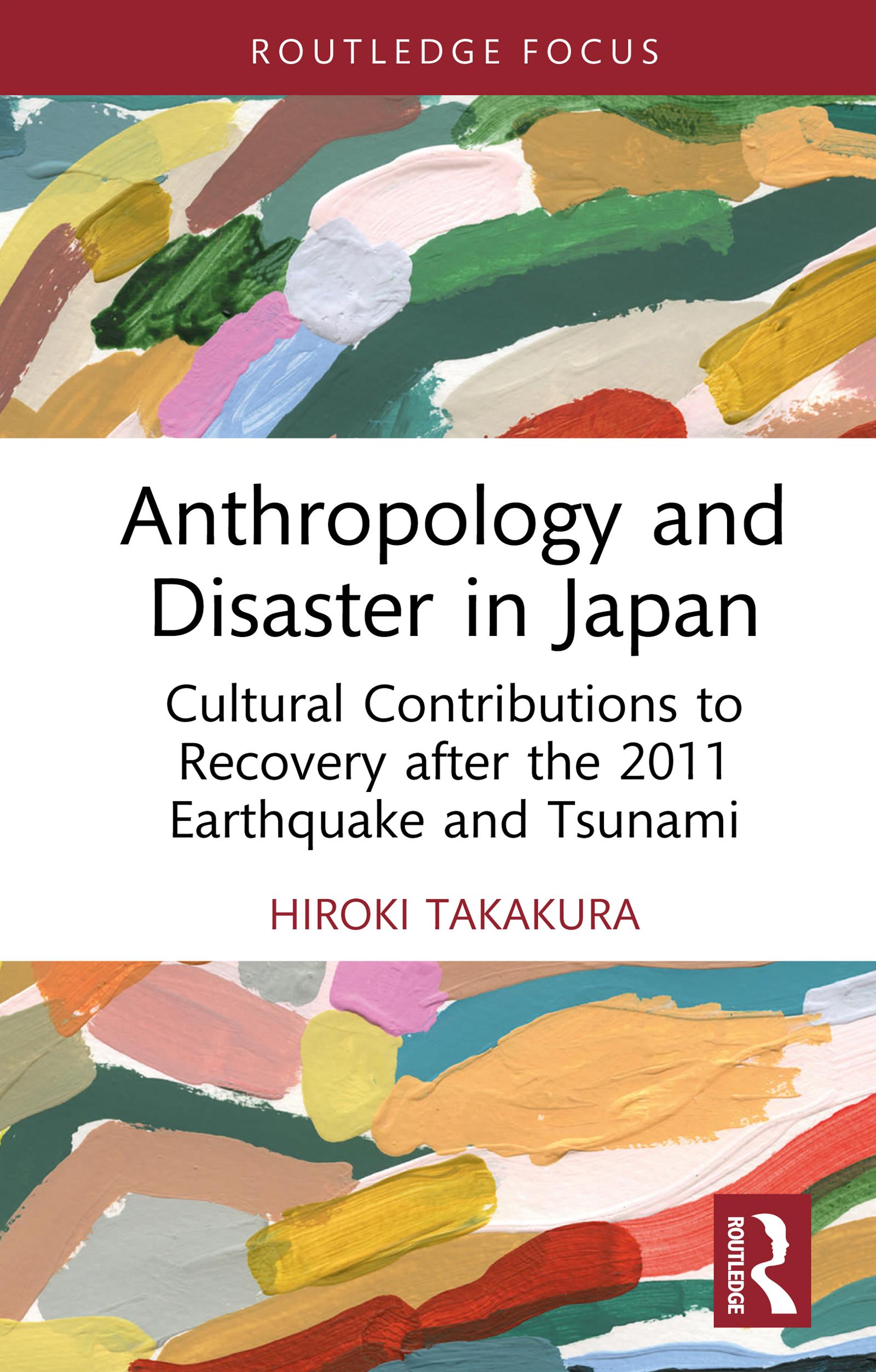
This book focuses on the 3.11 disaster in Japan, involving a powerful earthquake and tsunami, from an anthropological perspective. It critically reflects on the challenges of conducting anthropological research when encountering disaster at home and the position of social scientist as sufferer. Emphasizing the role of culture in disaster mitigation, the book offers theoretical consideration of the role of cultural heritage in risk management, in line with recent trends in international policy on disaster risk reduction. Taking an approach “with the people in,” the author explores how culture features in disaster recovery at community level and considers implications for policy. The chapters explore the response and adaptation by local cultural practitioners and performing arts groups as well as farmers and fishers. Japanese farming and fishing are presented as an innovative and dynamic part of the recovery process. The book will be of interest to scholars and policymakers working in disaster studies, Japan studies, and fields including anthropology, geography, sociology, and heritage management.
Pay easily by card, Klarna, Apple Pay or Google Pay. Not happy? You always have a 14-day money-back guarantee. Read more in our terms. If you have any questions, email us at hello@memmo.org.
Memmo makes studying easier – wherever you are in the world. We bring your course books and smart study tools together in one place: summaries, quizzes, podcasts and flashcards. Plus Ted, your study buddy who answers anything you wonder. Over 50,000 students already study here – built to help you learn faster and stress less.