
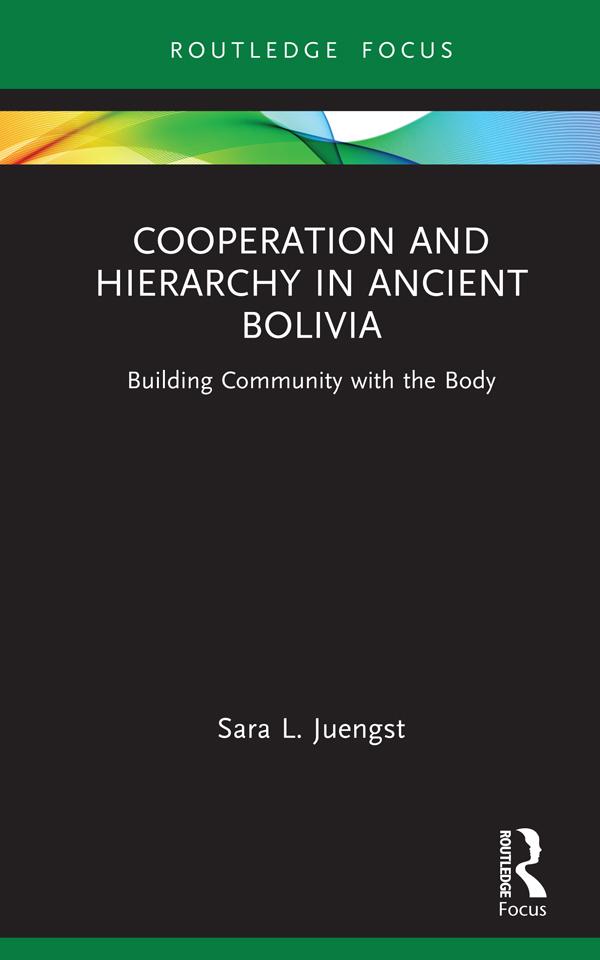
This book explores how past peoples navigated and created power structures and social relationships, using a case study from the Titicaca Basin of Bolivia (800 BC–AD 400). Based on the analysis of human skeletal remains, it combines anthropological social theory, archaeological contexts, and biological indicators of identity, disease, and labor to present a microhistory. The analysis moves in scale from individual experiences of daily life to broad patterns of shared identity and kinship during a time of significant economic and ecological change in the lake basin. The volume is particularly valuable for scholars and students interested in what bioarchaeology can tell us about power and social relationships in the past and how this is relevant to modern constructions of community.
Pay easily by card, Klarna, Apple Pay or Google Pay. Not happy? You always have a 14-day money-back guarantee. Read more in our terms. If you have any questions, email us at hello@memmo.org.
Memmo makes studying easier – wherever you are in the world. We bring your course books and smart study tools together in one place: summaries, quizzes, podcasts and flashcards. Plus Ted, your study buddy who answers anything you wonder. Over 75,000 students already study here – built to help you learn faster and stress less.