
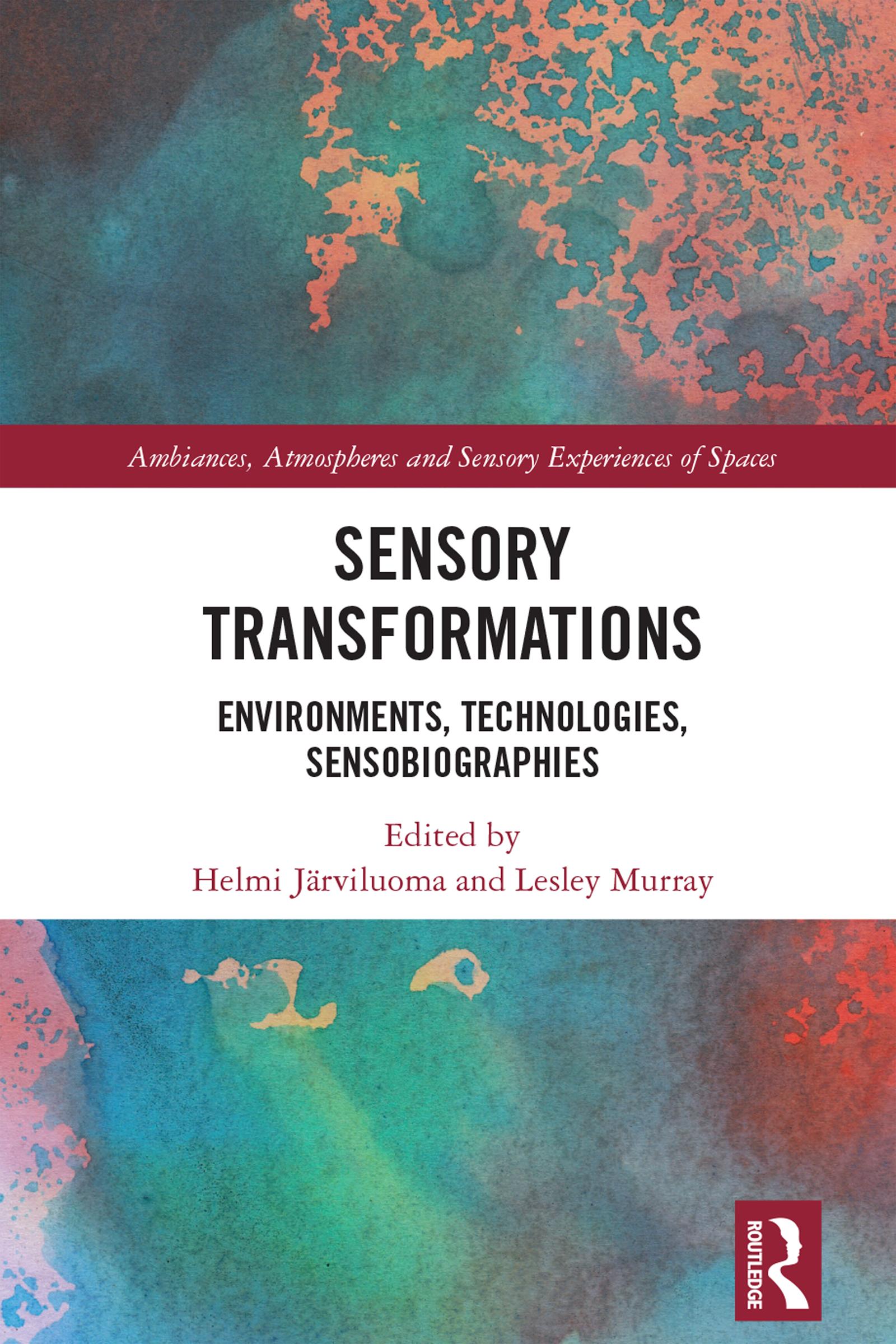
This book offers original insights into cultural transformations of the sensory with particular emphasis on environments and technologies, articulating a special moment in the sensory history of urban Europe as people’s relationship with their environment is increasingly shaped through digital technologies.
It is a much-needed addition to Sensory Studies literature with its firmly grounded empirical and theoretical perspectives. It provides radical and impactful food for thought on sensory engagements with urban environments. After reading the book, the reader will have a profound understanding of the original methodology of sensobiographic walking, as well as transdisciplinary and transgenerational ethnographies in different cultural contexts – in this case three European cities.
The book is aimed at a large audience of readers. It is equally useful for social and human scientists and students finalizing their MA degrees or working on their doctoral or post-doctoral work, and essential reading for environmental planners, youth workers, city planners and architects, among others.
Pay easily by card, Klarna, Apple Pay or Google Pay. Not happy? You always have a 14-day money-back guarantee. Read more in our terms. If you have any questions, email us at hello@memmo.org.
Memmo makes studying easier – wherever you are in the world. We bring your course books and smart study tools together in one place: summaries, quizzes, podcasts and flashcards. Plus Ted, your study buddy who answers anything you wonder. Over 50,000 students already study here – built to help you learn faster and stress less.