
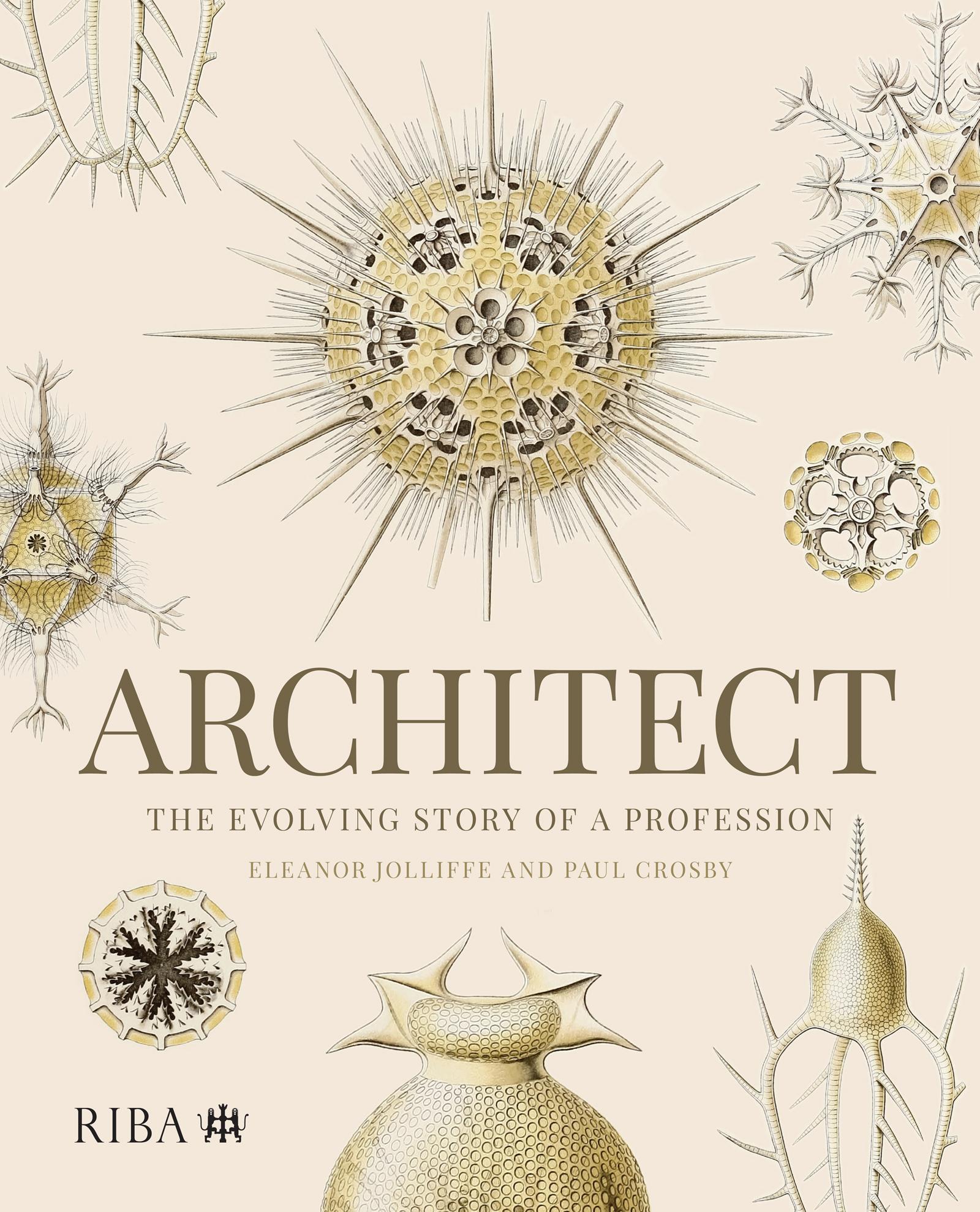
The architect’s role is constantly adapting. Throughout history it has shifted significantly, shaped by social, cultural, technological and economic forces. The very definition of what an architect is and does has evolved over time from lead builder or master mason to principal designer. A collaborative and reactive profession, it is inextricably linked to the power of the patron, whether the client is an influential and affluent individual or a political, commercial, civic or religious organisation. From Ancient Egypt, where architects were members of the ruling class, tied into the running of the empire, to the 21st century when questions are being raised about the future of the profession, this book, with its engaging narrative, explores the constant threads that remain as the profession adapts. While architects are no longer deified, their ability to imagine a new impending reality in built form implies a visionary dimension to their work. By focusing on both the practicalities of the profession and the more intangible motivations behind design – humans’ need to make a mark upon their surroundings – this volume provides a critical overview of over 3000 years of practice and education. Looking at the key questions of where the architectural profession originated in the Western tradition, why it is, how it is today and where it might be going next, the authors postulate that architects’ ability to adapt and reinvent themselves in the past will stand them in good stead for the uncertainties of the future.
Pay easily by card, Klarna, Apple Pay or Google Pay. Not happy? You always have a 14-day money-back guarantee. Read more in our terms. If you have any questions, email us at hello@memmo.org.
Memmo makes studying easier – wherever you are in the world. We bring your course books and smart study tools together in one place: summaries, quizzes, podcasts and flashcards. Plus Ted, your study buddy who answers anything you wonder. Over 75,000 students already study here – built to help you learn faster and stress less.