
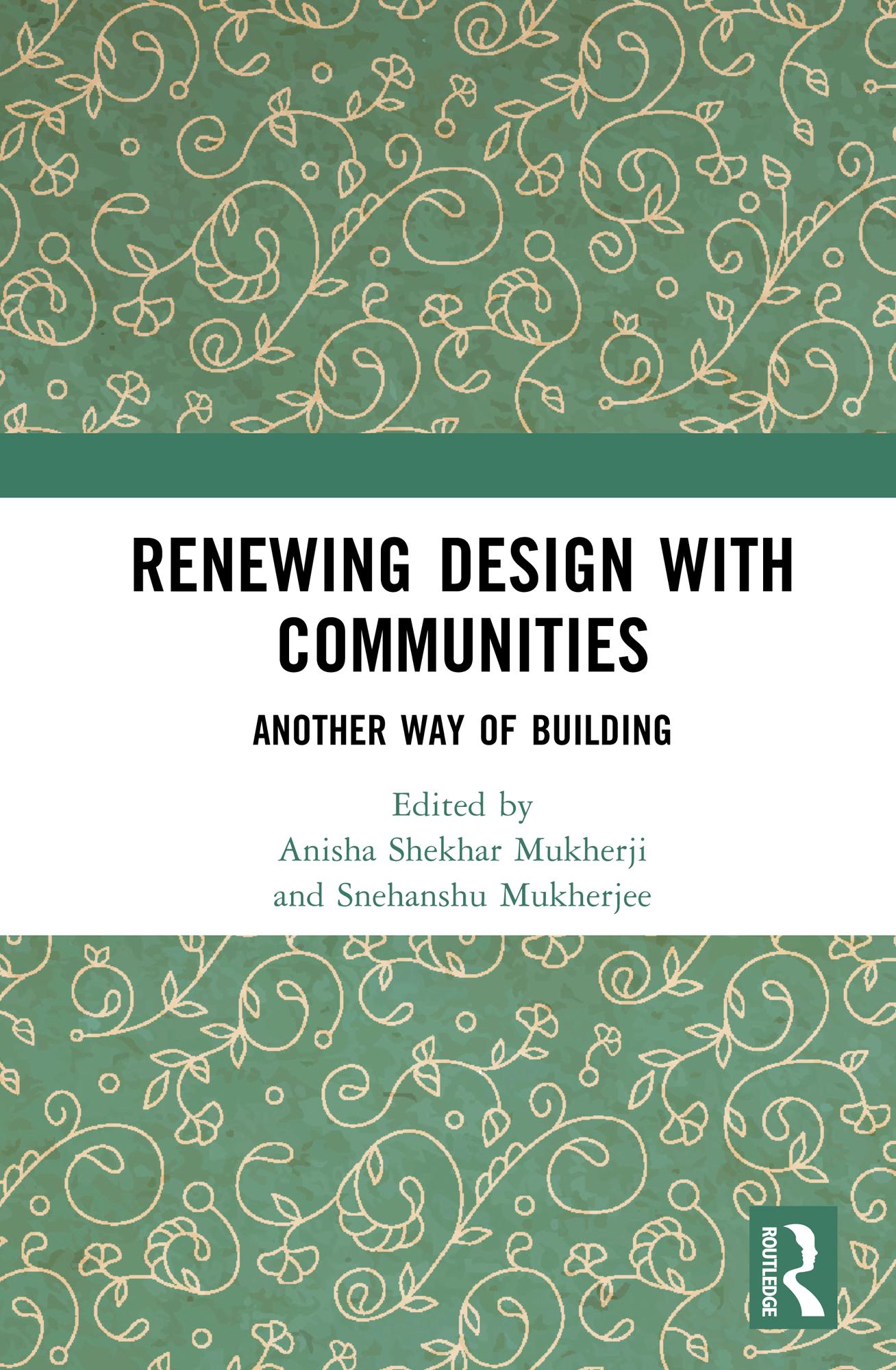
This book looks at alternative ways of analyzing traditional and contemporary architectural design and building practices in South Asia with a special focus on India. It showcases how collaborative projects between architects and local communities and drawing from local building traditions can lead to sustainable and equitable practices in architecture.
The volume includes an analysis of projects in rural, tribal, and urban areas of India and Nepal and first-hand accounts of architects, teachers, and professionals engaged in the theory and practice of design and architecture. It examines the differences between the individualistic and the collective approach and explores the meaning of architecture as a process and as a product and as a decentralized, ecologically, and locally sensitive way of designing. While comparing traditional and modern methods of building, it also examines the impact of each method on the community, the economy and the surrounding environment.
This book will be of interest to researchers and students of architecture, urban studies, urban planning, urban ecology, urban geography, and sustainable development. It will also be useful for architects, planners, urban designers, and professionals associated with these disciplines.
Pay easily by card, Klarna, Apple Pay or Google Pay. Not happy? You always have a 14-day money-back guarantee. Read more in our terms. If you have any questions, email us at hello@memmo.org.
Memmo makes studying easier – wherever you are in the world. We bring your course books and smart study tools together in one place: summaries, quizzes, podcasts and flashcards. Plus Ted, your study buddy who answers anything you wonder. Over 75,000 students already study here – built to help you learn faster and stress less.