
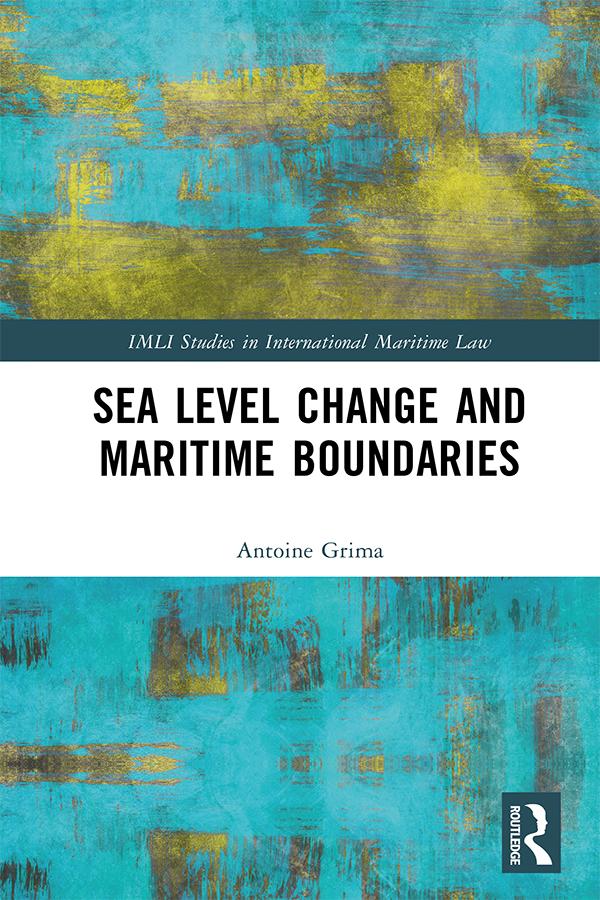
Climate change is modifying, in varying measure, the coastal geography of States. The phenomenon is not temporary but is expected to carry on during the 21st century and beyond.
A distinctive feature of modern international law is the concept of maritime zones. Each maritime area is subject to an intricate scheme of States’ rights and obligations. Coastal geography is a fundamental component of a long-standing method, developed and agreed upon between States, to establish the outward limits of these areas. A feature of this method is the baseline. In international law it is the only reference line from where the outward limits of maritime zones are measured. There are clear rules on how this is established along a coast.
There is a concern amongst a number of States that rising sea water levels as a result of climate change may compel them to shift their baselines inward thus affecting the outward limits of their maritime zones. It is clear that the stability of maritime boundaries is put into question and this may bring about serious political, legal and economic repercussions. This concern may also affect the outcome of dispute settlement procedures before a competent international court or tribunal the purpose of which is to resolve overlapping maritime claims.
Key questions emerge. What is the role played by coastal geography in the legal regime determining the outward limits of maritime zones? What are the consequences of changes to coastal geography? To what extent are dispute settlement procedures before a Court or Tribunal immune from this concern? Is international law able to address this? If so, in what way and what are its limits? What can be done to resolve this?
Pay easily by card, Klarna, Apple Pay or Google Pay. Not happy? You always have a 14-day money-back guarantee. Read more in our terms. If you have any questions, email us at hello@memmo.org.
Memmo makes studying easier – wherever you are in the world. We bring your course books and smart study tools together in one place: summaries, quizzes, podcasts and flashcards. Plus Ted, your study buddy who answers anything you wonder. Over 50,000 students already study here – built to help you learn faster and stress less.