
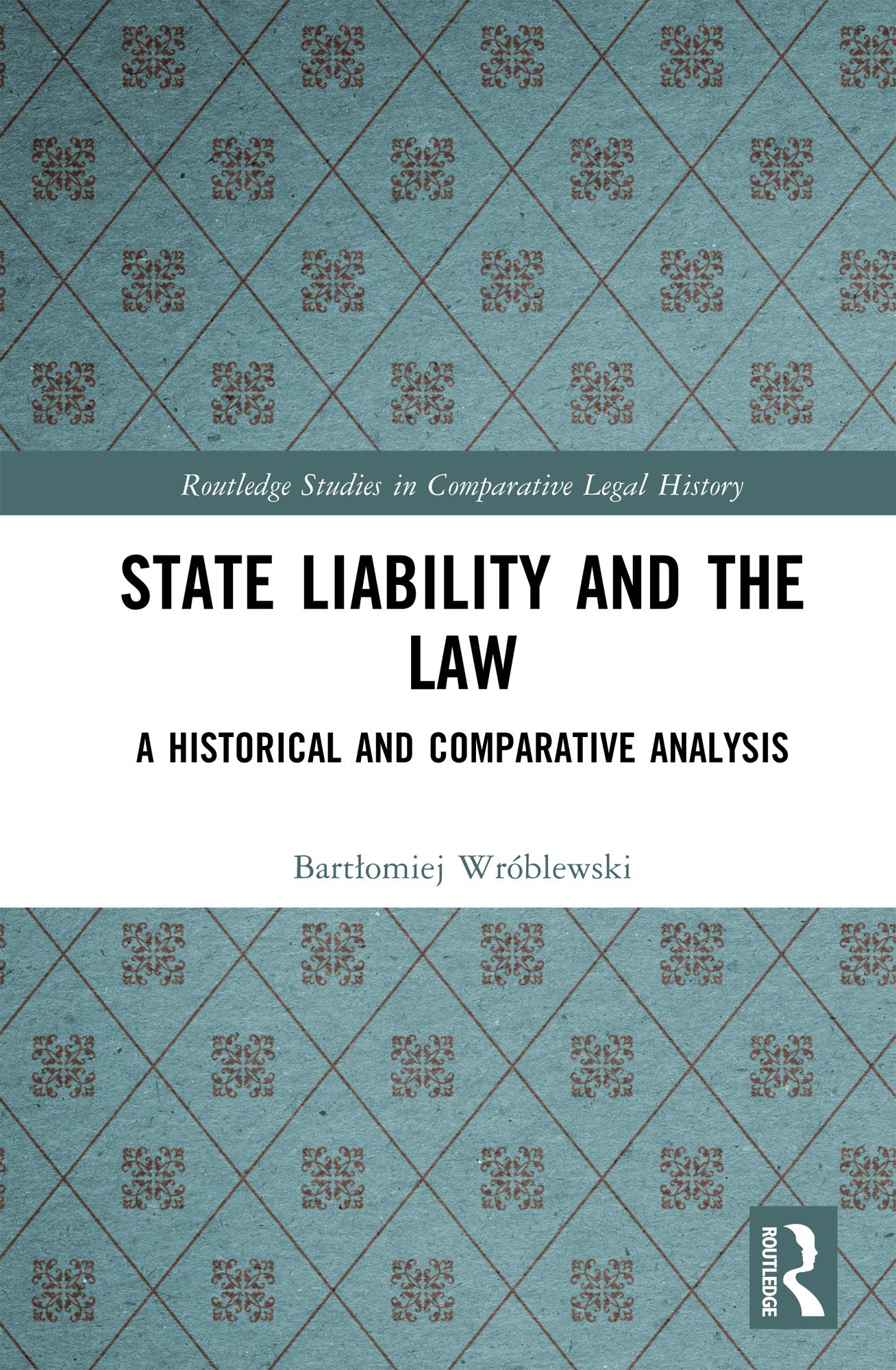
This book explores the historical foundations of holding public authorities accountable for their acts, and discusses how and why the idea that the state should or should not be held liable became established in three significant jurisdictions. The issue of state liability for legislative acts is considered one of the most difficult and controversial problems in jurisprudence. This book analyses the development of concepts and institutions of liability for the acts of legislator pertaining to the general principles of state liability until the mid-20th century in the leading European legal systems: Germany, France and Great Britain. It is shown that, in contrast to the prevailing conviction, the lack of liability for law-making instruments was not an unassailable dogma, and that questions as to whether such liability was possible were being asked from the Middle Ages onwards. The book will be a valuable resource for academics and researchers in the areas of Constitutional Law, Public Law, History of Law, History of Legal and Political Thought, Philosophy of Law, and Comparative Legal Studies.
Pay easily by card, Klarna, Apple Pay or Google Pay. Not happy? You always have a 14-day money-back guarantee. Read more in our terms. If you have any questions, email us at hello@memmo.org.
Memmo makes studying easier – wherever you are in the world. We bring your course books and smart study tools together in one place: summaries, quizzes, podcasts and flashcards. Plus Ted, your study buddy who answers anything you wonder. Over 50,000 students already study here – built to help you learn faster and stress less.