
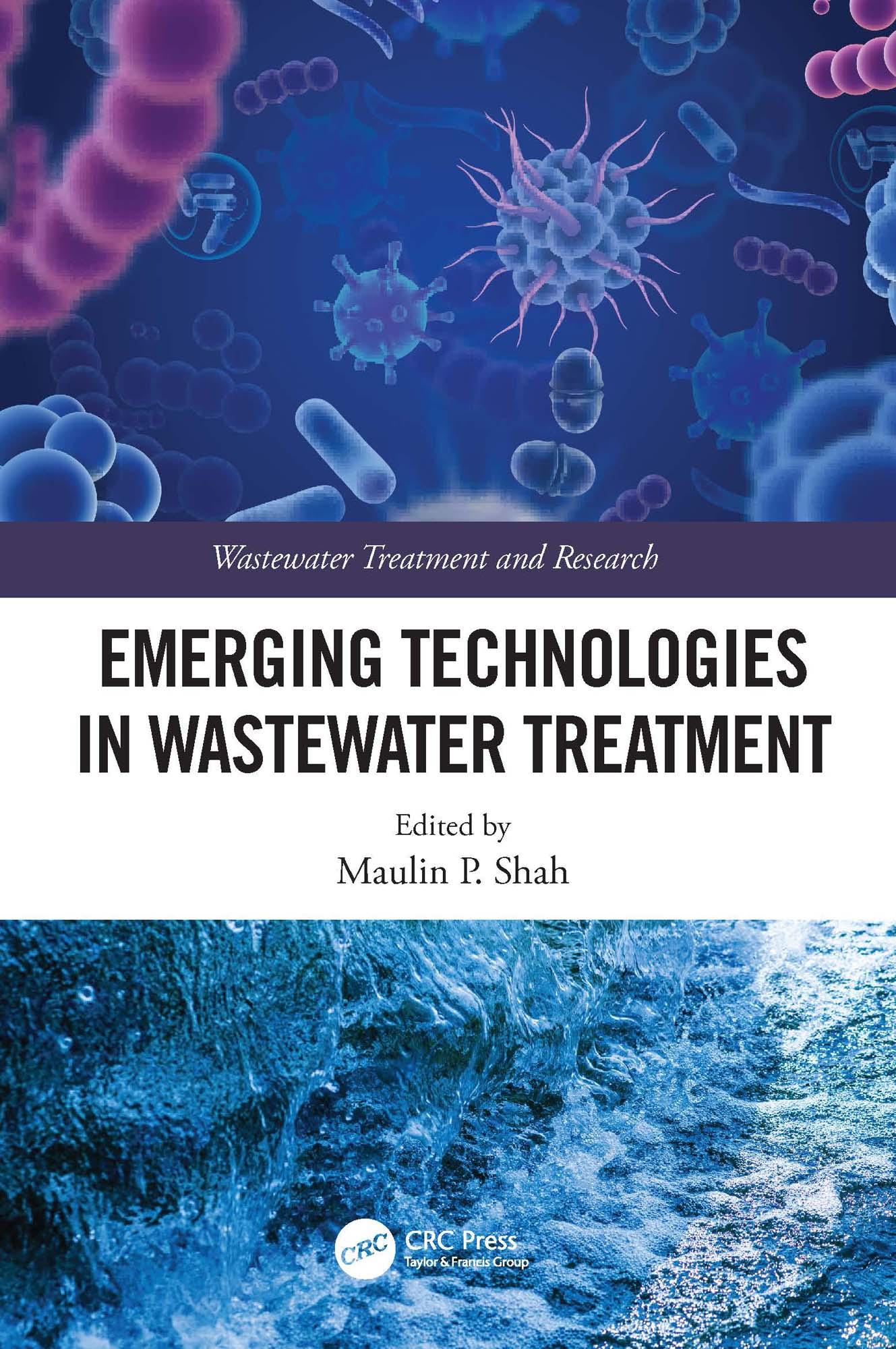
Emerging technologies in wastewater treatment plant is an ecological, profitable and natural technology designed to eliminate heavy metals, radionuclides, xenobiotic compounds, organic waste, pesticides, etc. from contaminated sites or industrial downloads through biological means. Since this technology is used in conditions on site, it does not physically disturb the site unlike conventional methods, that is, chemical or mechanical methods. In this technology, higher plants or microbes are used alone or in combination for the phytoextraction of heavy metals from sites contaminated with metals. Through microbial interventions, metals are immobilized or mobilized through redox conversions in contaminated sites. If they are mobilized, accumulating metal plants are placed to accumulate metals in their bodies. Next, metal-loaded plants are collected and recycled to reduce the volume of waste and then, disposed of as hazardous materials or used for the recovery of precious metals, if possible. In case of immobilization, metals are no longer available to be toxic to organisms. There are very few books published on the proposed theme. A good number of books have been published on environmental bioremediation, but the proposed book is a new and an innovative proposal specifically in wastewater treatment. Looking into the importance of emerging technologies in wastewater treatment research, the book will have a high and applicable value in industrial wastewater treatment research.
Features:
- The book highlights the importance of emerging technologies in the wastewater treatment plant to clean up the environment from pollution caused by human activities.
- It assesses the potential application of several existing bioremediation techniques and introduces new emerging technologies.
- It is an updated vision of the existing emerging technologies in environmental bioremediation strategies with their limitations and challenges and their potential application to remove environmental pollutants.
- It also introduces the new trends and advances in environmental bioremediation with a thorough discussion of recent developments in this field.
- Highlights the importance of bioremediation to deal with the ever-increasing number of environmental pollutants.
Pay easily by card, Klarna, Apple Pay or Google Pay. Not happy? You always have a 14-day money-back guarantee. Read more in our terms. If you have any questions, email us at hello@memmo.org.
Memmo makes studying easier – wherever you are in the world. We bring your course books and smart study tools together in one place: summaries, quizzes, podcasts and flashcards. Plus Ted, your study buddy who answers anything you wonder. Over 50,000 students already study here – built to help you learn faster and stress less.