
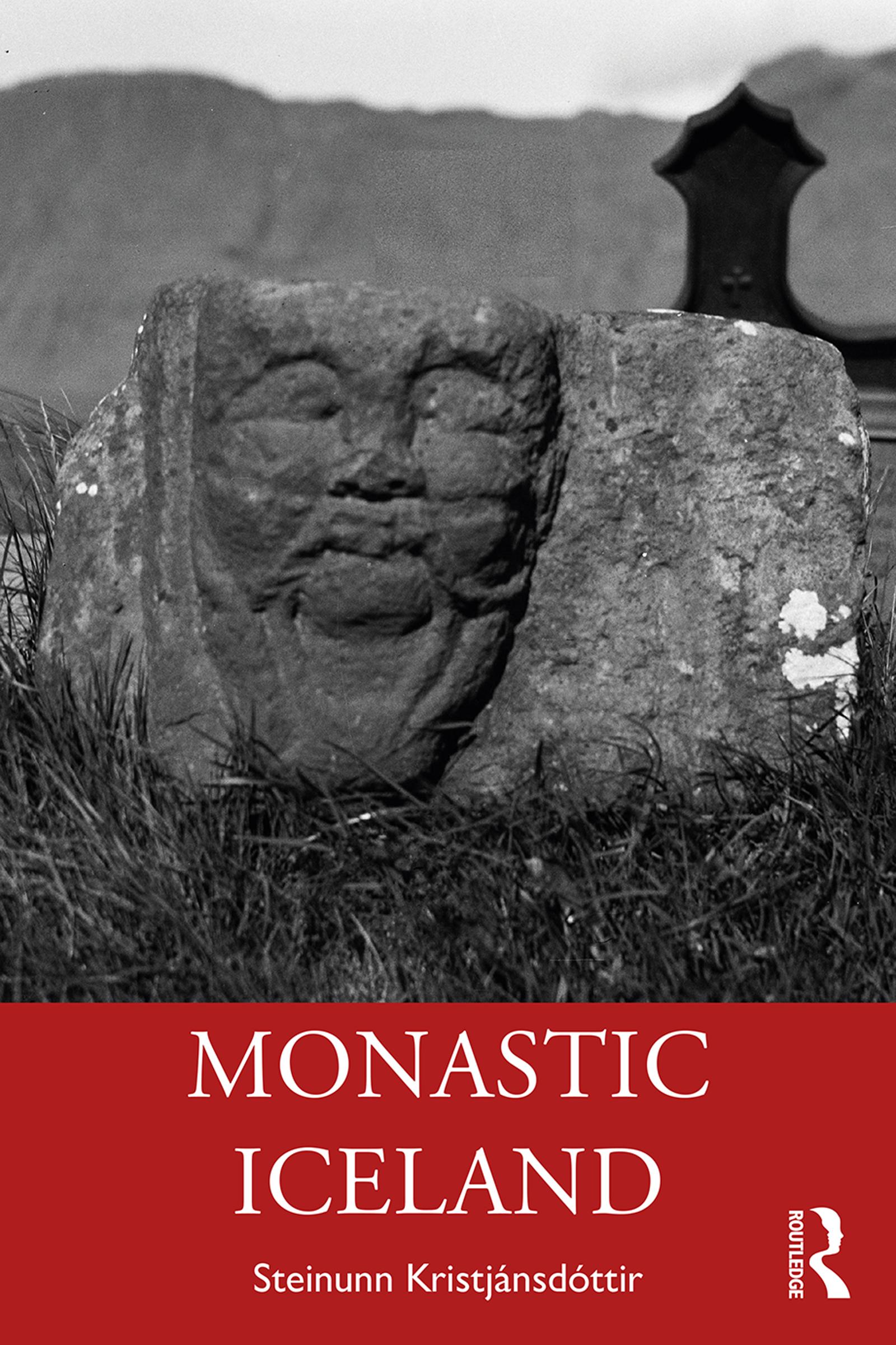
This book provides an overview of medieval monasticism in Iceland, from its dawn to its downfall during the Reformation.
Blending the evidence from material remains and written documents, Monastic Iceland highlights the realities of everyday life in the male and female monasteries operated in Iceland. The book describes the incorporation of monasticism into the Icelandic society, the alleged land of the Vikings, and thus how the monasteries coexisted with the natural and social environments on the island while keeping their general aims and objectives. The book shows that large social systems, such as monasticism, can cross social and natural borders without necessitating fundamental changes apart from those triggered by the constant coexistence of nature and culture inside the environment they exist within. The evidence provided debunks the myth that Icelandic monasteries, male or female, were isolated, silent places or simple cells functioning principally as retirement homes for aristocrats. To be a member of an ecclesiastical institution did not mean a quiet, secluded life without any outside interaction, but rather active participation in the surrounding community.
The book is for researchers in archaeology, osteology, and medieval history, in addition to all those interested in monasticism and the medieval history of northern Europe.
Pay easily by card, Klarna, Apple Pay or Google Pay. Not happy? You always have a 14-day money-back guarantee. Read more in our terms. If you have any questions, email us at hello@memmo.org.
Memmo makes studying easier – wherever you are in the world. We bring your course books and smart study tools together in one place: summaries, quizzes, podcasts and flashcards. Plus Ted, your study buddy who answers anything you wonder. Over 75,000 students already study here – built to help you learn faster and stress less.