
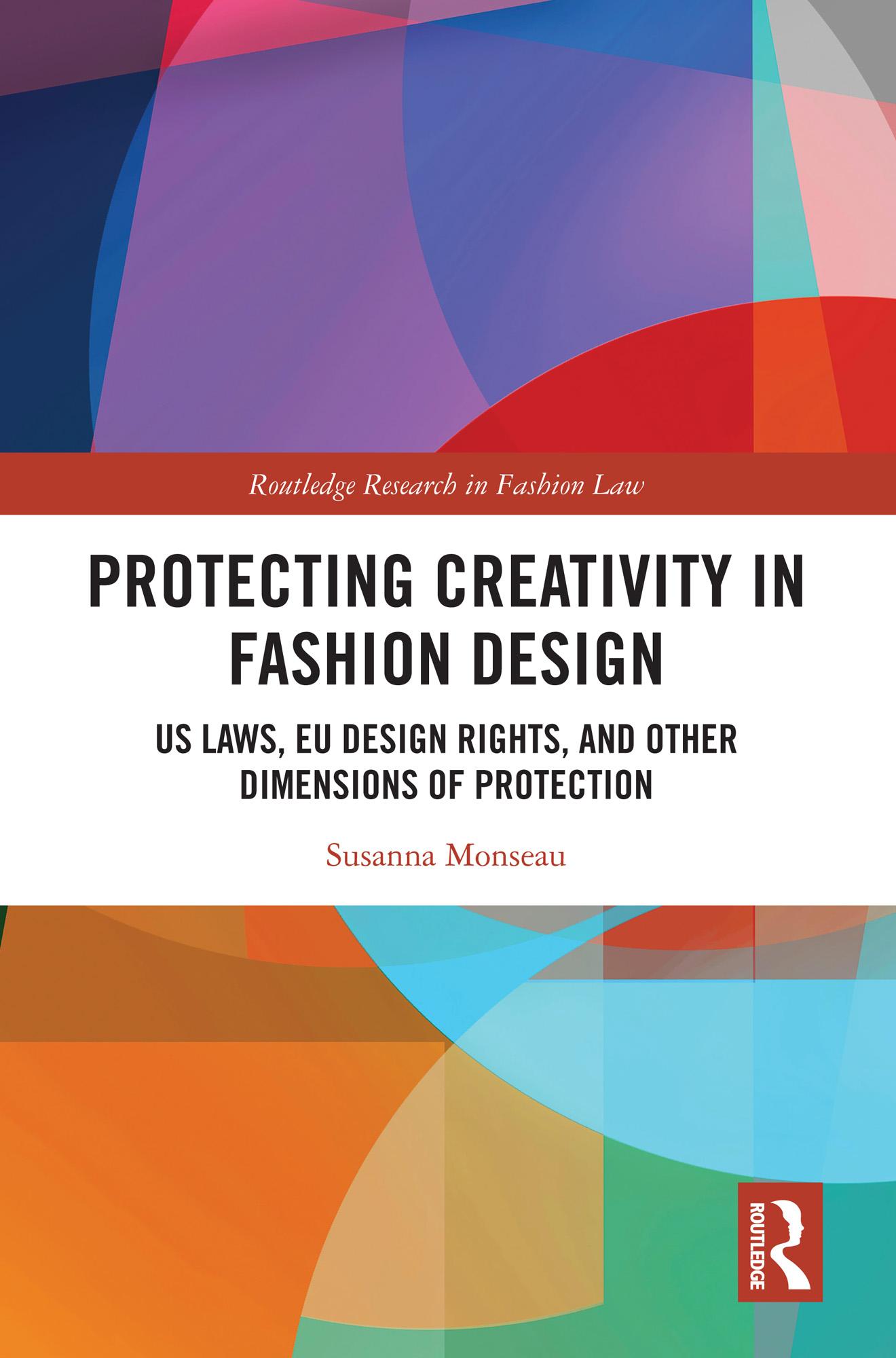
Exploring the debate over the benefits of legal protection for fashion design, this book focuses on how a combination of minimal legal protections for design, evolving social norms, digital technology, and market forces can promote innovation and creativity in a business known for its fast-paced remixing and borrowing. Focusing on the advantages and disadvantages of the main US and EU IP laws that protect fashion design in the world’s biggest fashion markets, it describes how recent US case law in copyright and trademark cases has led to misaligned incentives for the industry and a lack of clear protection, while, in the EU, the CJEU’s interpretation of the pan-European design rights system has created significant overlap with copyright law and risks, leading to the overprotection of design. The book proposes that creativity and innovation in fashion derive some benefit from a limited unregistered design right protection, and that cumulation with copyright protection is unhelpful. It also proposes that there is a larger role for developing social norms relating to sustainability, the ethics of cultural appropriation, and the online shaming of counterfeiters that can also help create a fair equilibrium between protection and borrowing in fashion design.
Pay easily by card, Klarna, Apple Pay or Google Pay. Not happy? You always have a 14-day money-back guarantee. Read more in our terms. If you have any questions, email us at hello@memmo.org.
Memmo makes studying easier – wherever you are in the world. We bring your course books and smart study tools together in one place: summaries, quizzes, podcasts and flashcards. Plus Ted, your study buddy who answers anything you wonder. Over 50,000 students already study here – built to help you learn faster and stress less.