
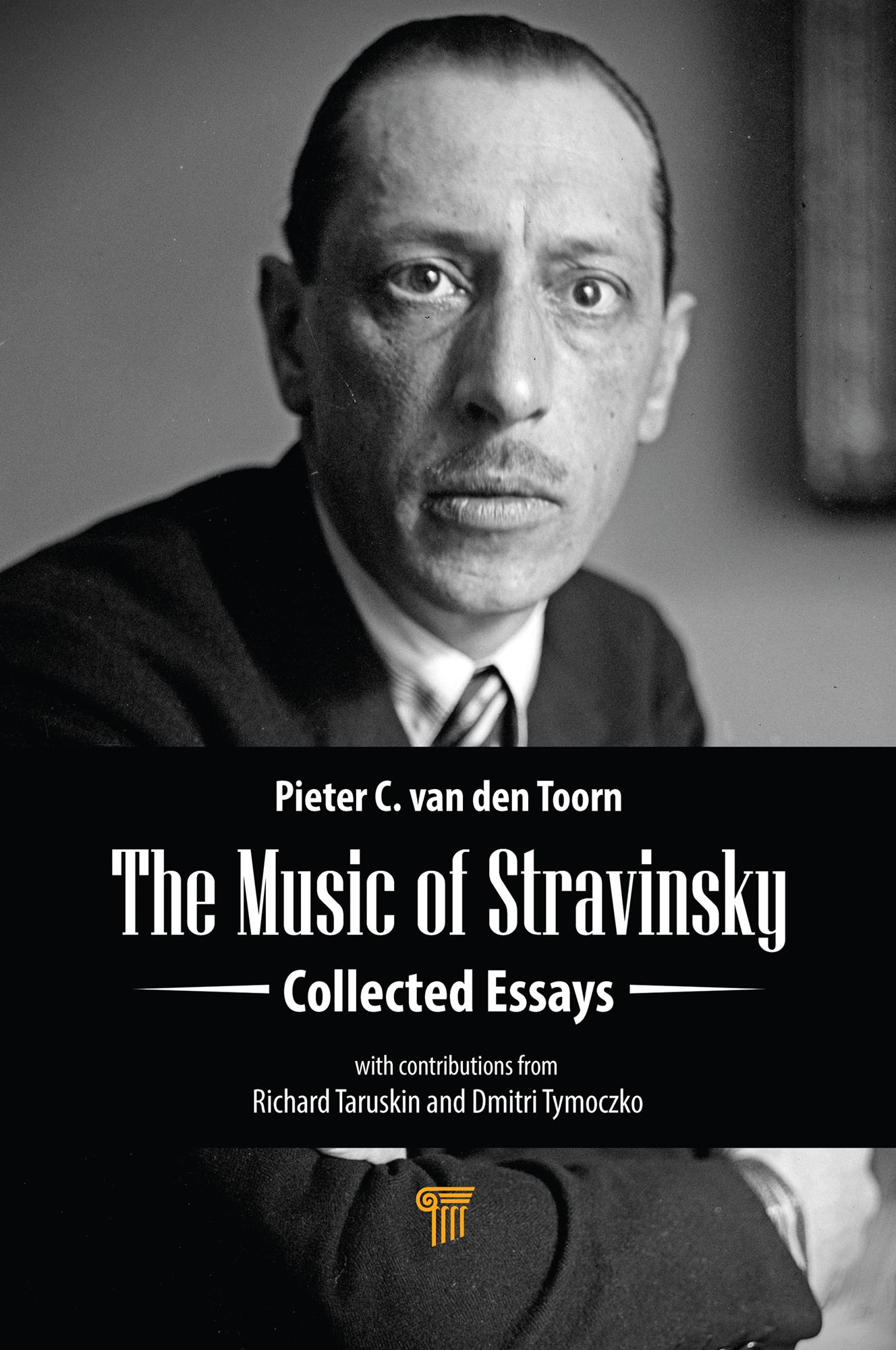
The most celebrated of Western composers in the twentieth century, Igor Stravinsky may have been the greatest as well. Stretching across forty or so years, the essays in this volume address the dynamics of Igor Stravinsky’s music from a variety of analytical, critical, and aesthetic angles. Underscored are the features of melody, harmony, rhythm, and form that would remain consistently a part of Stravinsky’s oeuvre regardless of the changes in orientation from the Russian period to the neoclassical and the early serial. The Rite of Spring (1913), Les Noces (1917–23), the Symphony of Psalms (1930), and the Symphony in Three Movements (1945) are discussed in detail, as are many of the circumstances attending their conception. Other concerns include the composer’s "formalist" aesthetics and the strict performing style he pursued as an interpreter and conductor of his music.
Pay easily by card, Klarna, Apple Pay or Google Pay. Not happy? You always have a 14-day money-back guarantee. Read more in our terms. If you have any questions, email us at hello@memmo.org.
Memmo makes studying easier – wherever you are in the world. We bring your course books and smart study tools together in one place: summaries, quizzes, podcasts and flashcards. Plus Ted, your study buddy who answers anything you wonder. Over 50,000 students already study here – built to help you learn faster and stress less.