
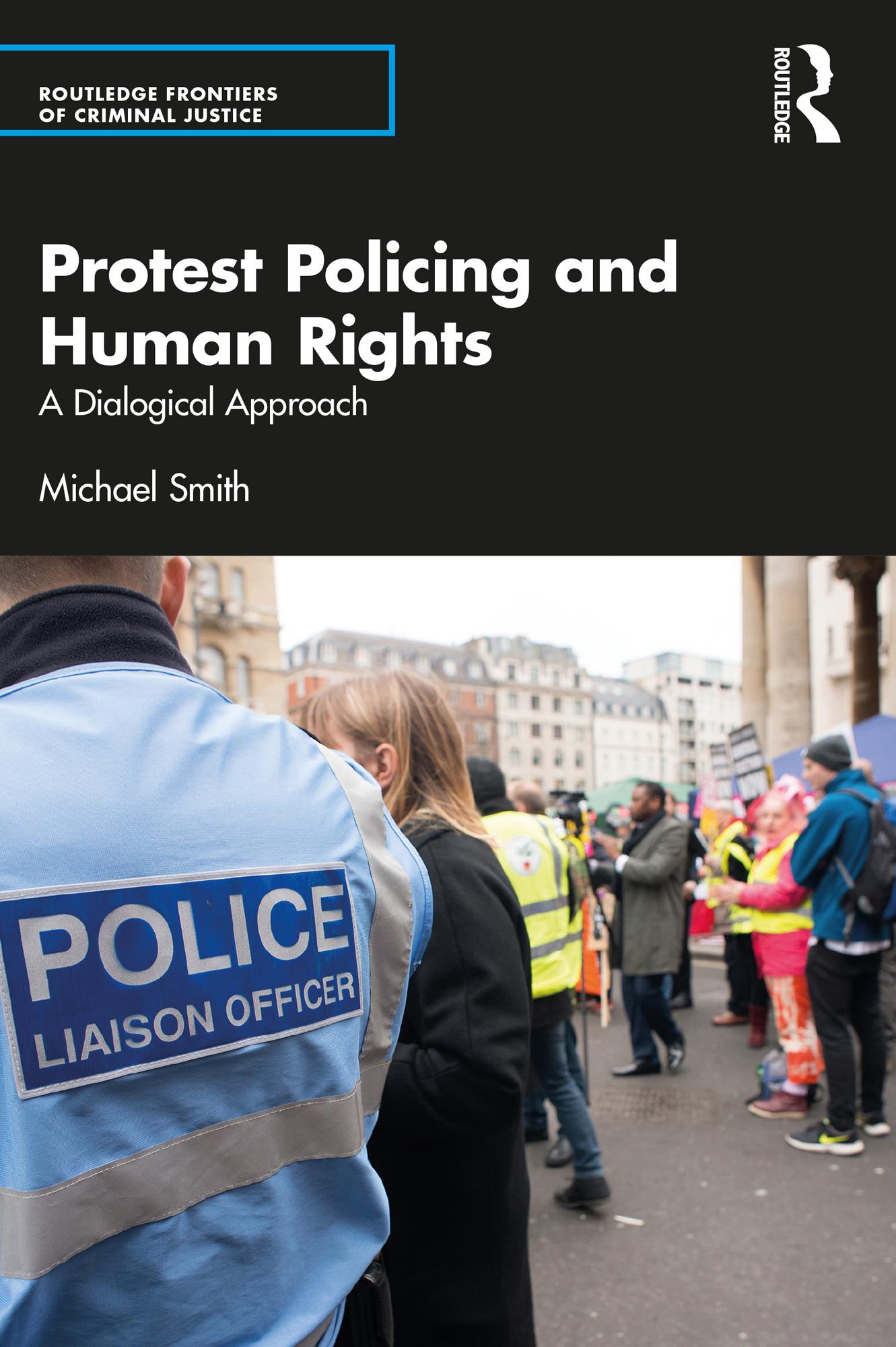
This book examines protest policing and the toolbox of options available to police commanders in response. The right to peacefully protest is intrinsic to democracy and embedded in British history and tradition. The police are responsible for managing public order and facilitating peaceful protest and this has not been without criticism. On occasions, the police have found themselves in opposition to protest groups and there have been incidents of disorder as a result. In response, the development of Police Liaison Teams in the UK has presented the police with a gateway for dialogue between themselves and those involved in protest.
Drawing on two contrasting case studies, the policing of the badger cull in South West England and an English Defence League (EDL) march in Liverpool, this book explores the experiences of police commanders, police liaison officers, protesters, counterdemonstrators, members of local businesses and other interested parties. It explores how a dialogical approach with all those engaged in or affected by a protest has assisted the police in balancing human rights and reducing conflict for all.
An accessible and compelling read, this book will appeal to students, scholars and practitioners of policing, politics, criminology, sociology, human rights and all those interested in how protests are policed.
Pay easily by card, Klarna, Apple Pay or Google Pay. Not happy? You always have a 14-day money-back guarantee. Read more in our terms. If you have any questions, email us at hello@memmo.org.
Memmo makes studying easier – wherever you are in the world. We bring your course books and smart study tools together in one place: summaries, quizzes, podcasts and flashcards. Plus Ted, your study buddy who answers anything you wonder. Over 50,000 students already study here – built to help you learn faster and stress less.