
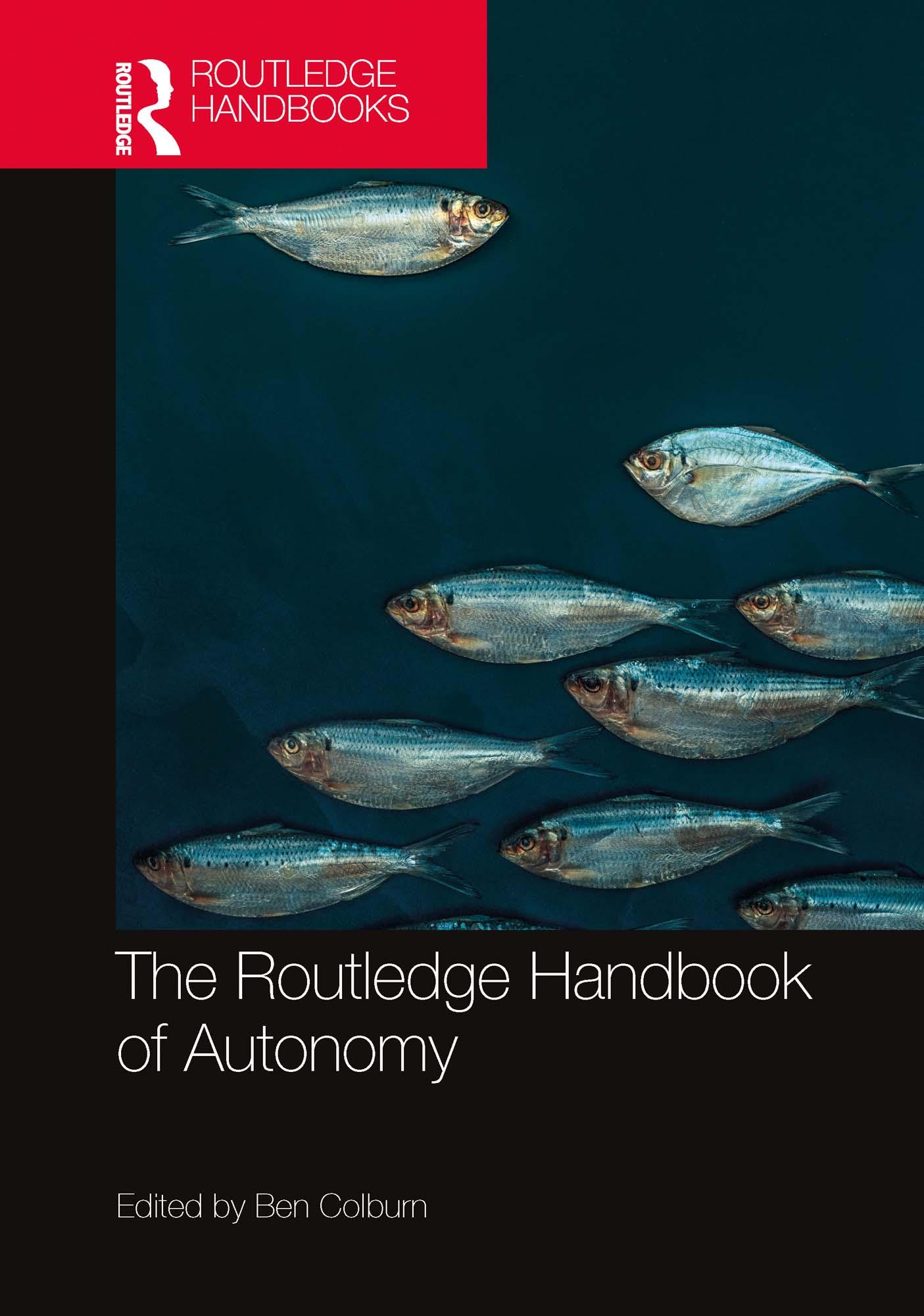
The question of autonomy is fundamental to understanding some of the most important questions and debates in contemporary political and moral life, from freedom of the individual, free will and decision-making to controversies surrounding medical ethics, human rights and the justifications for state intervention. It is also a crucial concept for understanding the development of liberalism.
The Routledge Handbook of Autonomy is a comprehensive survey and assessment of the key figures, debates and problems surrounding autonomy. Comprising over forty chapters by an international team of contributors, the Handbook is divided into five clear parts:
- Autonomy through History
- Foundations of Autonomy
- Threats to Autonomy
- The Significance of Autonomy
- Autonomy in Application.
Within these sections, all the essential topics are addressed, making The Routledge Handbook of Autonomy an outstanding reference source for those in political philosophy, ethics, applied ethics and philosophy of law. It is also highly recommended reading for those in related subjects, such as politics, social policy and education.
Pay easily by card, Klarna, Apple Pay or Google Pay. Not happy? You always have a 14-day money-back guarantee. Read more in our terms. If you have any questions, email us at hello@memmo.org.
Memmo makes studying easier – wherever you are in the world. We bring your course books and smart study tools together in one place: summaries, quizzes, podcasts and flashcards. Plus Ted, your study buddy who answers anything you wonder. Over 50,000 students already study here – built to help you learn faster and stress less.