
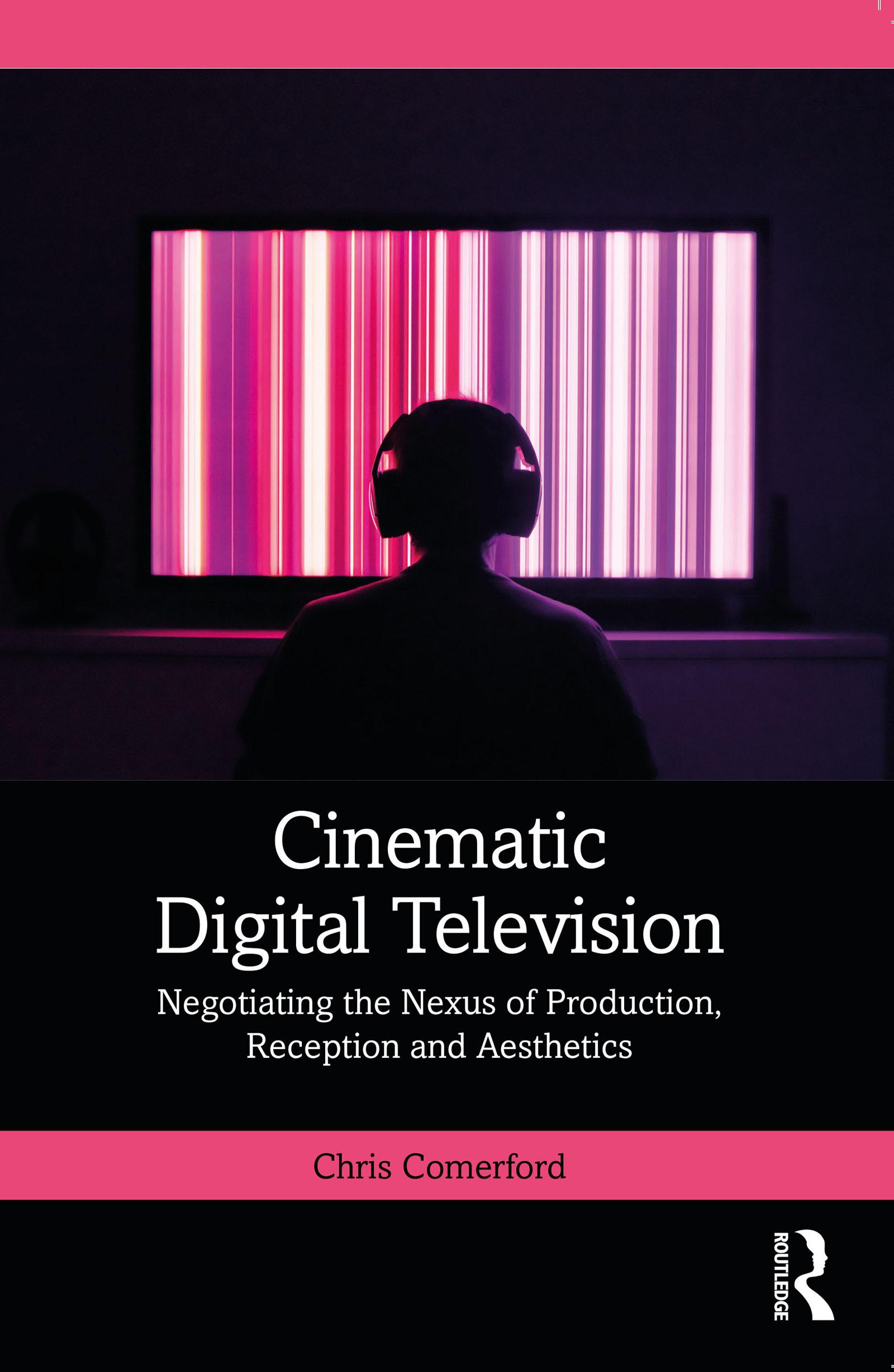
Chris Comerford explores cinematic digital television as an artistic classification and an academic object of study, and illuminates the slippage in definitions of previously understood media forms.
The growth of television as an artistic, informative medium has given rise to shifts in the aesthetic style of the programmes we watch, and this book outlines these shifts along with the contemporary debates and critical theory surrounding them. Comerford looks at the forms and aesthetics of television, the production standards influencing streaming television and the agency of audiences, and provides case studies of key TV shows illustrating these shifts, including Twin Peaks: The Return, WandaVision, Hacks and Russian Doll. Navigating the levels of production and reception in cinematic digital television, the book uses film-inspired TV as a lightning rod for understanding our narrative screen media landscape and the classifications we use to negotiate it.
As an essential reading for both scholars and students of media and television studies, this book provides a much-needed consideration of the changing landscape of television.
Pay easily by card, Klarna, Apple Pay or Google Pay. Not happy? You always have a 14-day money-back guarantee. Read more in our terms. If you have any questions, email us at hello@memmo.org.
Memmo makes studying easier – wherever you are in the world. We bring your course books and smart study tools together in one place: summaries, quizzes, podcasts and flashcards. Plus Ted, your study buddy who answers anything you wonder. Over 50,000 students already study here – built to help you learn faster and stress less.