
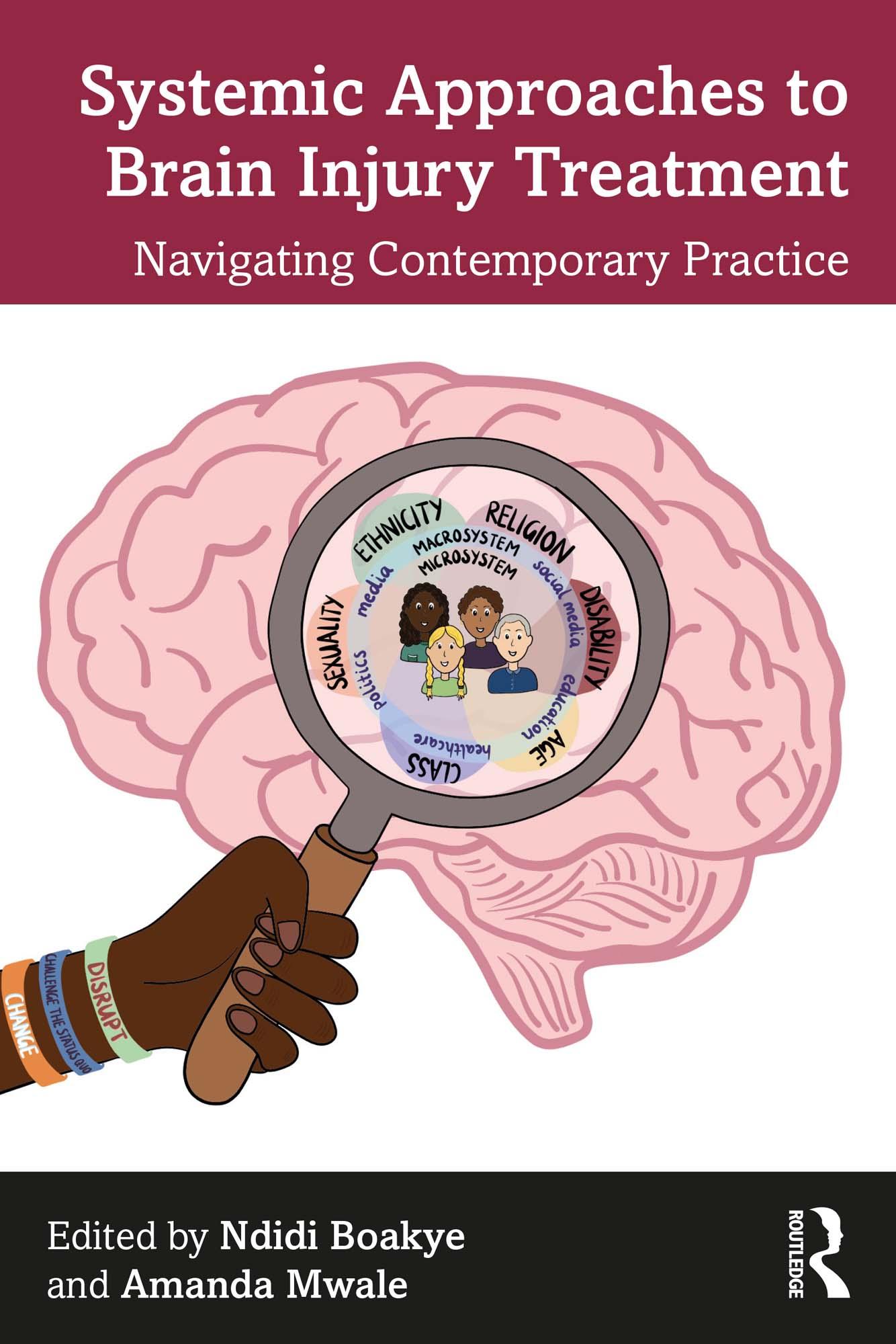
This book is an exploration of key systemic and socio-political considerations when working with people whose lives have been impacted by neurological injury and those who care for them.
Expert contributors consider the impact of intersectionality across domains that include gender, sexuality, class, education, religion and spirituality, race, culture, and ability/disability. It offers relevant literature in the field of neuropsychology as well as clinical case studies that provide inspiration and key reflections for clinicians, neurological specialist therapists, and medical staff alike. Chapters discuss navigating intersectionality in couple therapy, hidden social inequalities in paediatric neurorehabilitation, racial microaggression in inpatient settings, and more.
This book is essential for all health and social-care practitioners working in the field of brain injury and chronic illness who want to challenge the status quo and advocate for diversity and inclusion.
Pay easily by card, Klarna, Apple Pay or Google Pay. Not happy? You always have a 14-day money-back guarantee. Read more in our terms. If you have any questions, email us at hello@memmo.org.
Memmo makes studying easier – wherever you are in the world. We bring your course books and smart study tools together in one place: summaries, quizzes, podcasts and flashcards. Plus Ted, your study buddy who answers anything you wonder. Over 50,000 students already study here – built to help you learn faster and stress less.