
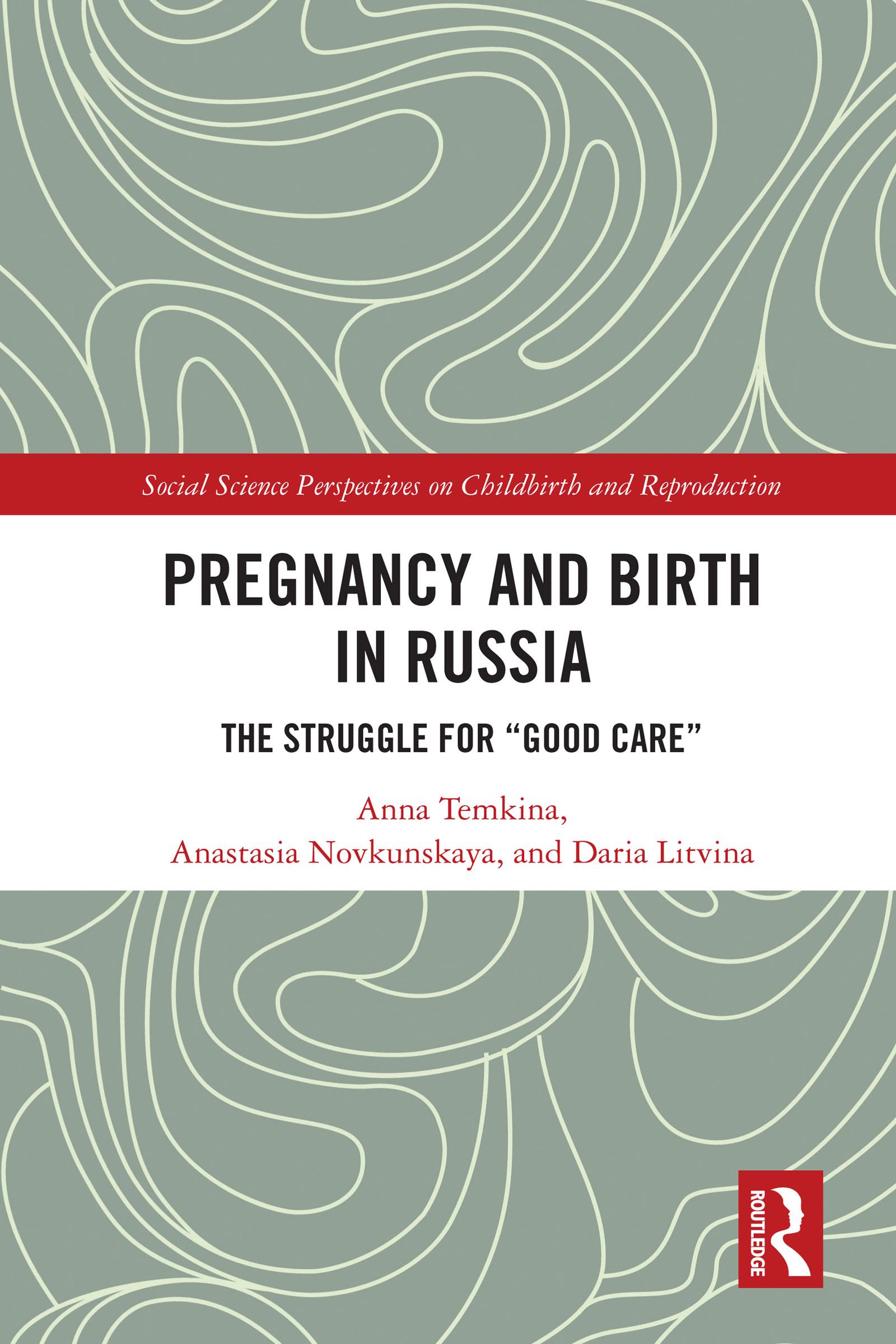
This book provides a theoretically and empirically grounded examination of the struggle for maternity care in contemporary Russia, framed by changes to the healthcare system and the roles of its participants after socialism. The chapters consider multiple perspectives and interactions between women and professionals and the structural and institutional pressures they face when striving for better conditions and treatment. Russian maternity care is characterized by the vivid mix of legacy of Soviet paternalism and medicalization, bureaucratic principles of state regulation (with high level of centralization and lack of professional autonomy) and global neoliberal tendencies. Maternity care professionals have to satisfy not only the growing needs and demands of women, but also deal with increasing state regulative control, market demands and new professional standards of care. Navigating these multiple and various challenges, maternity providers have to perform in multiple roles, bridge the organizational gaps and inconsistencies. Thus, the field of struggle for good care becomes not only professional, but political one. Highlighting the opportunities and barriers for good care in the context of post-socialist Russia, this book will be of particular interest to medical anthropologists and sociologists as well as midwives and other health professionals.
Pay easily by card, Klarna, Apple Pay or Google Pay. Not happy? You always have a 14-day money-back guarantee. Read more in our terms. If you have any questions, email us at hello@memmo.org.
Memmo makes studying easier – wherever you are in the world. We bring your course books and smart study tools together in one place: summaries, quizzes, podcasts and flashcards. Plus Ted, your study buddy who answers anything you wonder. Over 50,000 students already study here – built to help you learn faster and stress less.